Between the second half of the 18th century and the early 19th century, the prices of raw materials dropped significantly, which, together with increased collaboration with Turkey, contributed to the spread of tobacco use among various social strata. During this period, expensive and fragile Dutch tobacco pipes were gradually replaced by more practical and affordable Turkish ones.
The places, where the demand for Turkish tobacco pipes was high, were pubs and coffee houses, both in Europe and Russia; among other things, the establishments also sold tobacco. Researchers divide the spreading fashion for clay pipes into several stages.
Initially, tobacco pipes were found in small quantities among professional soldiers and merchants, who had the opportunity to purchase them right where they were made and distributed.
Later, due to the growing fascination with the East, Turkish pipes became popular among members of the aristocracy, who could order rather expensive pipes from Constantinople and even afford entire smoking sets. In the end, Turkish pipes were integrated into the lifestyle of ordinary people.
The high demand prompted local manufacturers to master the technology of press molding and start copying popular designs. Those products, which were cheaper than original pipes, interested many buyers, including small wholesale merchants who sold both new and used pipes at knockdown prices.
According to researchers, the last stage is associated with completely new forms and shapes developing in Turkish pipemaking. They were designed by local potters based on their own ideas of functionality and aesthetics.
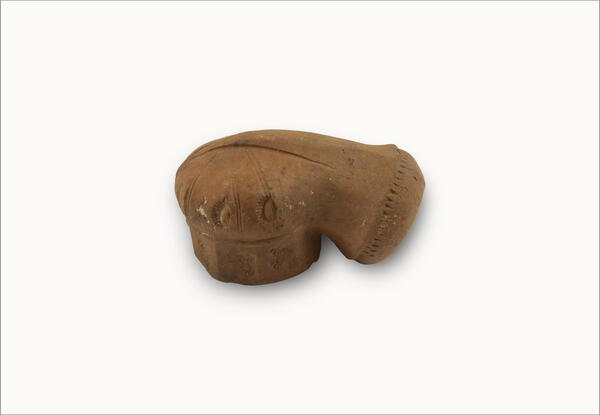
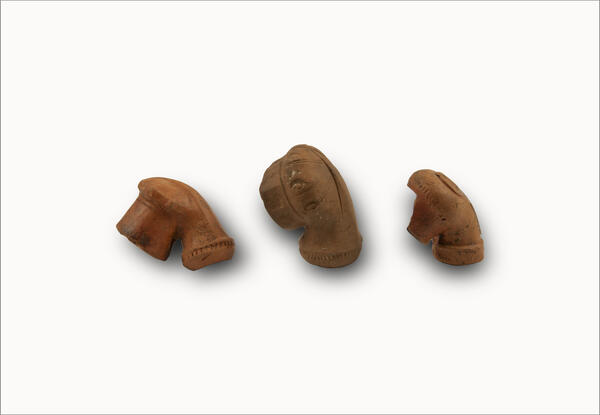
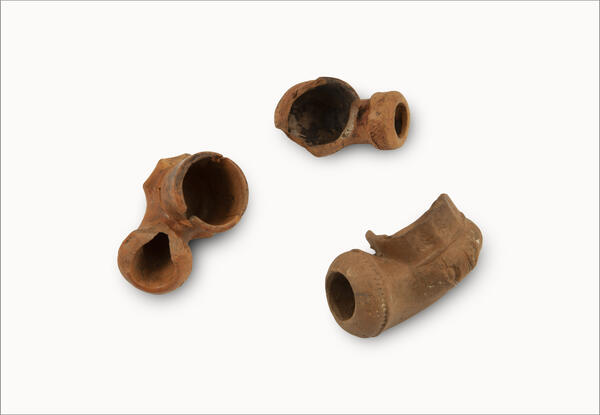
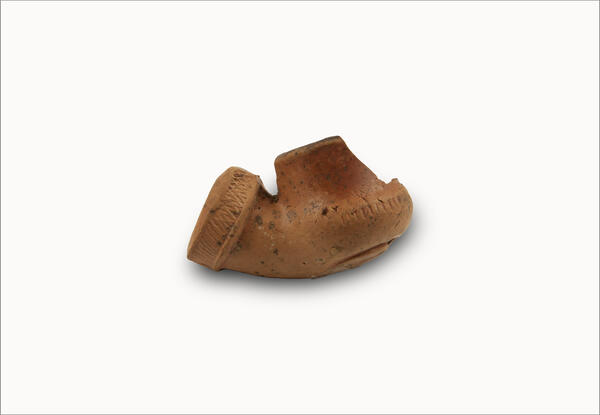
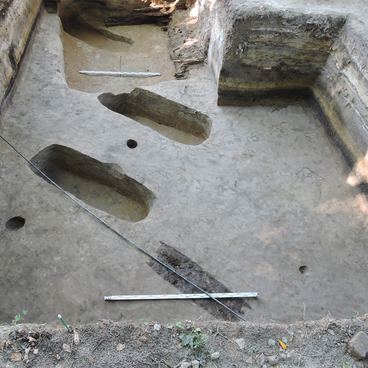
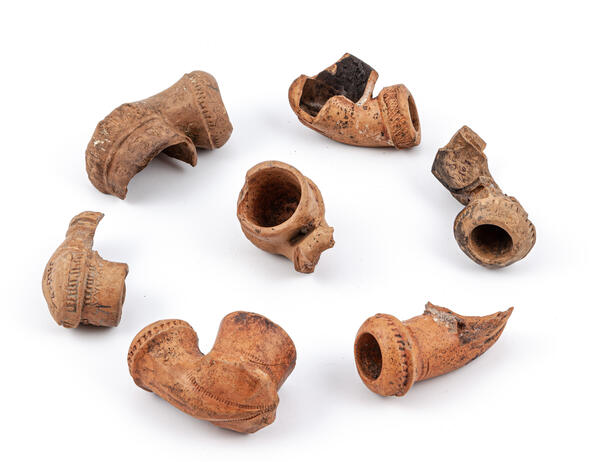
A lot of tobacco pipes have become precious exhibits in museums and private collections. For example, archaeological excavations, carried out by the expedition of the Archaeology Institute of the Russian Academy of Sciences on the territory of Gorokhovets in 2017, produced several fragments of Turkish pipes, made of red-glazed ceramics and dating back to the 18th–19th centuries. The pipes were found on 34 Naberezhnaya Street, as well as on 9 and 17 Lenin Street.
The places, where the demand for Turkish tobacco pipes was high, were pubs and coffee houses, both in Europe and Russia; among other things, the establishments also sold tobacco. Researchers divide the spreading fashion for clay pipes into several stages.
Initially, tobacco pipes were found in small quantities among professional soldiers and merchants, who had the opportunity to purchase them right where they were made and distributed.
Later, due to the growing fascination with the East, Turkish pipes became popular among members of the aristocracy, who could order rather expensive pipes from Constantinople and even afford entire smoking sets. In the end, Turkish pipes were integrated into the lifestyle of ordinary people.
The high demand prompted local manufacturers to master the technology of press molding and start copying popular designs. Those products, which were cheaper than original pipes, interested many buyers, including small wholesale merchants who sold both new and used pipes at knockdown prices.
According to researchers, the last stage is associated with completely new forms and shapes developing in Turkish pipemaking. They were designed by local potters based on their own ideas of functionality and aesthetics.
A lot of tobacco pipes have become precious exhibits in museums and private collections. For example, archaeological excavations, carried out by the expedition of the Archaeology Institute of the Russian Academy of Sciences on the territory of Gorokhovets in 2017, produced several fragments of Turkish pipes, made of red-glazed ceramics and dating back to the 18th–19th centuries. The pipes were found on 34 Naberezhnaya Street, as well as on 9 and 17 Lenin Street.