Places unsuitable for grazing and haymaking (and therefore for storing feed for the winter) did not allow the Shors to develop cattle breeding. Only short horses and cows were bred, and dairy products were often exchanged with neighbors who were more prosperous in this regard, for example the Khakass.
Nevertheless, milk has long played an important role in Shor cuisine. It was added to the broth, and the roots of edible wild plants were boiled in it. A nutritious drink was prepared based on milk with the addition of roasted barley talkan.“They took the mixture with them when hunting, drank it periodically, and a feeling of fullness quickly set in, ”old-timers recall.“And talkan… helped out during the war… Entire villages drank it.”
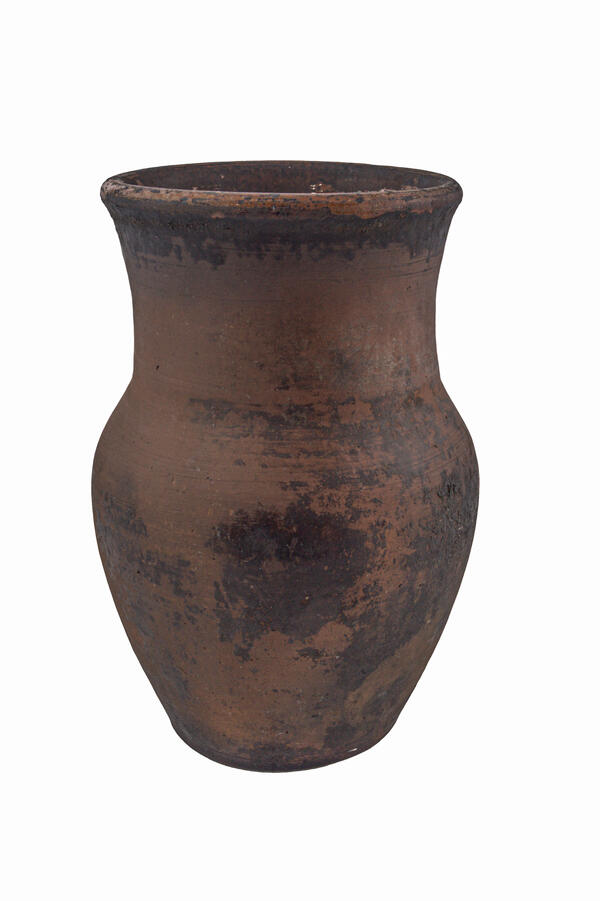
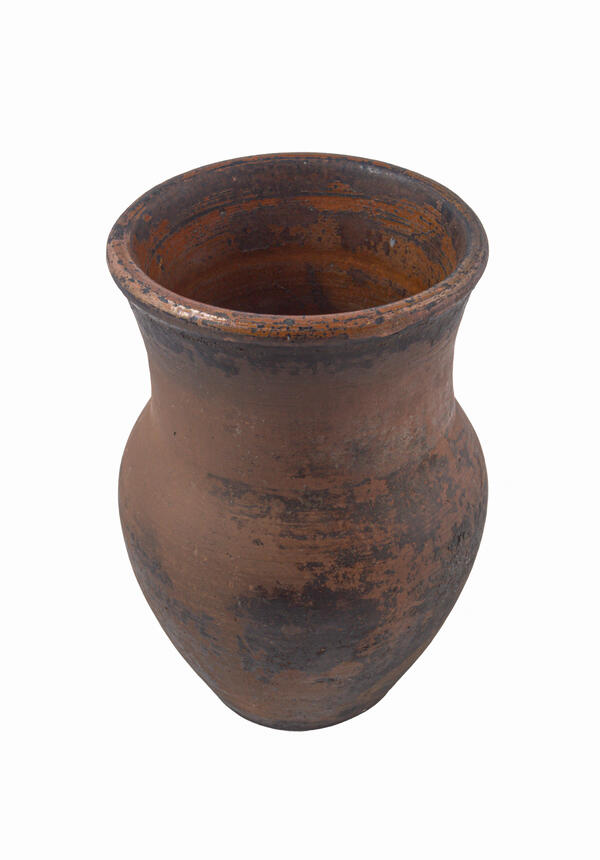
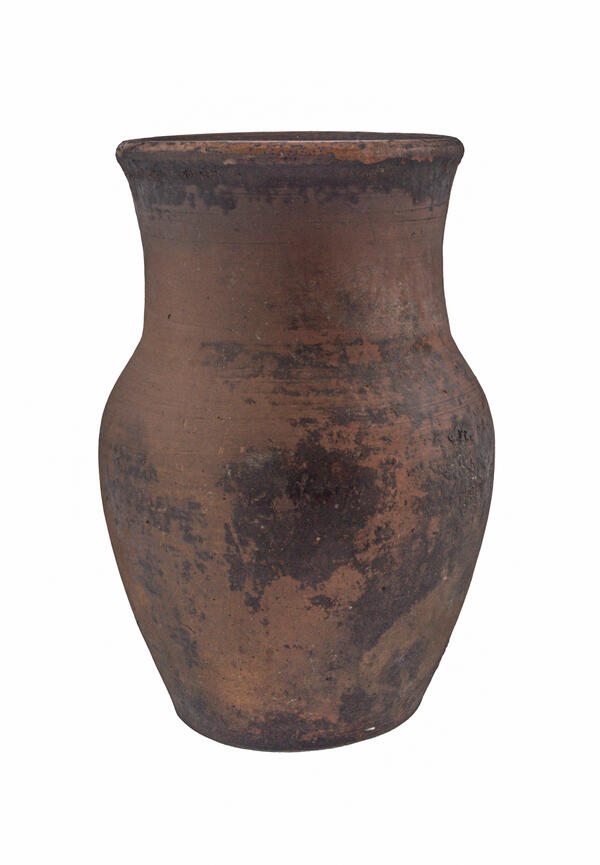
Housewives collected milk into buckets — wide-necked vessels made of clay, wood or copper, and then filtered and stored in clay jugs. This kitchen utensil, common in villages, is shaped like a jug without a handle or a lid, with walls that flare upward and a tapering neck that smoothly turns into a rounded body.
The shape of the neck, its diameter, as well as the height of the entire jug, were made in such a way that the vessel could be comfortably taken with one hand. At the same time, the neck was not too narrow so that the housewife had the opportunity to thoroughly wash the inside of the jug.
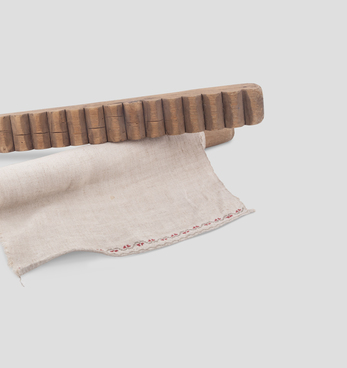
In addition to talkan, other national drinks were also stored in jugs: abyrtka (a low-alcohol drink brewed from talkan) and kvass. As a rule, instead of lids, these vessels were covered with gauze or a thin canvas cloth.
Milk in such containers was not only stored for a long time, but also acquired new qualities. The flat bottom made it possible to conveniently position the jug in the oven: there the milk simmered without burning until a characteristic beige or light brown hue appeared. The most delicious part was the foam that formed on the surface.
In the narrow part of the vessel, the cream settled well, became dense and thick, and was easily removed with a spoon. From such cream butter was churned.
The milk jug presented in the exhibition was
brought by museum employees from the remote Shor village of Uchas, which is
part of the Orton territorial administration.