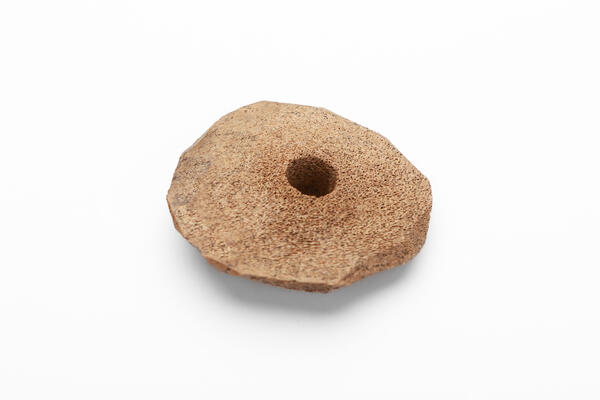
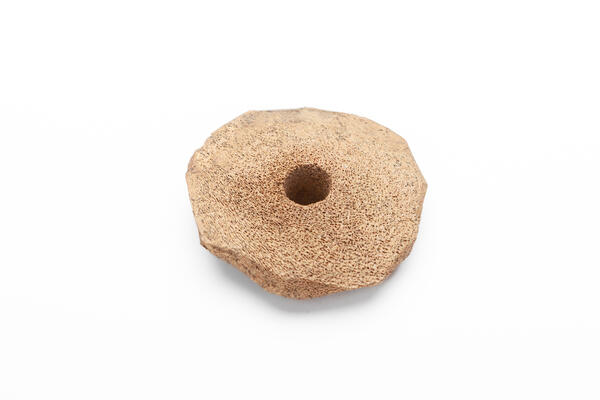
A spindle whorl is a weighted object used to weigh down the spindle during spinning. Its name is associated with the fact that it takes the form of a disk or spherical object, sometimes whorled. It was also suspended from threads for balance while working on the loom. Whorls have been known since the late Neolithic era; they are over 5000 years old.
Usually, spindle whorls had the form of a cylinder or washer with a hole in the center. They are among the most common finds in various cultural deposits around the world. In Rus, spindle whorls appeared around the 10th century, and their characteristics differed from region to region. Traditionally, spindle whorls were made from stone, clay and occasionally potsherds.
Oftentimes, spindle whorls had the names of their owners or spells for good luck inscribed on them — for example, spells for making the yarn firm and manageable, making the products sell well or instilling prosperity and peace in the home. The whorls could also act as money; they were exchanged for food, tools and jewelry.
In the Middle Ages, bone and horn were very important materials for the Udmurts — they were used to make spindle whorls, either plain or intricately carved. The Idnakar hillfort can boast a rich collection of bone objects that are true works of art.
The bone material required a special processing technology. A bone was left in a closed vessel with a special solution. Organic acids were added to it, such as mustard, ground dock, sour milk, alkali and wood ash. The bone was boiled in this solution, after which it became soft and malleable; it could also be straightened, if necessary.
Most often, bone was used to make spindle whorls and arrowheads of various shapes and sizes. The latter could be big and small; flat, oval and triangular; with a sharp or blunt end — to catch a fur-bearing animal without spoiling the fur.
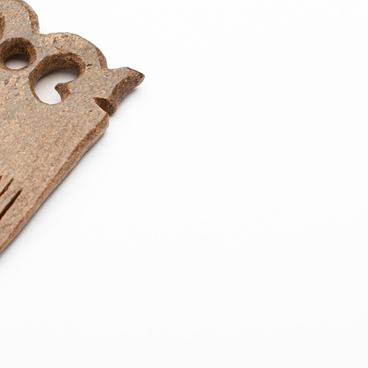
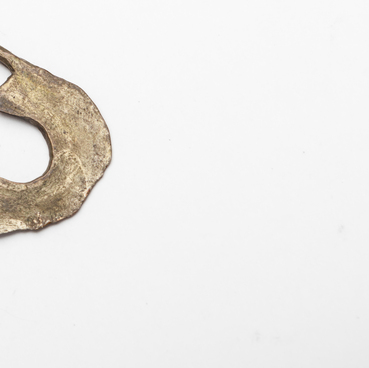
The archeological sites of medieval settlements often reveal household items made of bone or horn: kochedyks (awls) for weaving bast shoes and nets, patterned spindle whorls and needle cases, parts of a hand loom, special hooks for weaving nets, tablespoons, round buttons, knife handles, awls and other tools, bone buckles, cheekpieces, drawing dies and jewelry.