In 1885, the Frenchman Adolphe Sioux opened his first confectionery shop on Tverskaya, one of the busiest streets in Moscow. The production was located at the same address, in the basement. Sioux worked under the motto “High quality at low prices” and his products soon attracted the attention of customers.
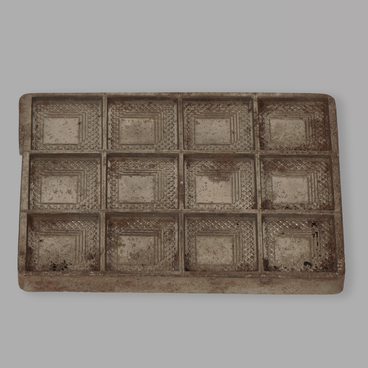
The trading house “A. Sioux and Co.”, which soon turned into a confectionery, specialized in the production of cakes, pastries, chocolate and sweets. In 1881, the sons of Adolphe Sioux joined the family business, and soon a new trademark appeared in the confectionery world — the “S. Sioux and Co.”, where “S” meant “family”. At the factory built under the sons of Adolphe Sioux, the latest oil, steam and gas engines were installed, and chocolate, coffee, biscuits and confectionery products were produced — marmalade, marshmallow, and cocoa. The Sioux were especially proud of their signature liquor dragees.
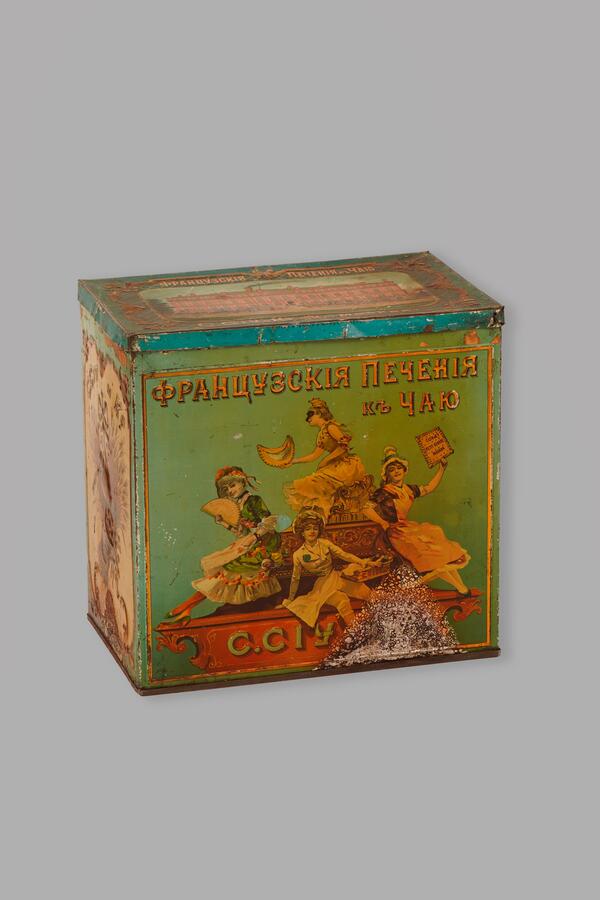
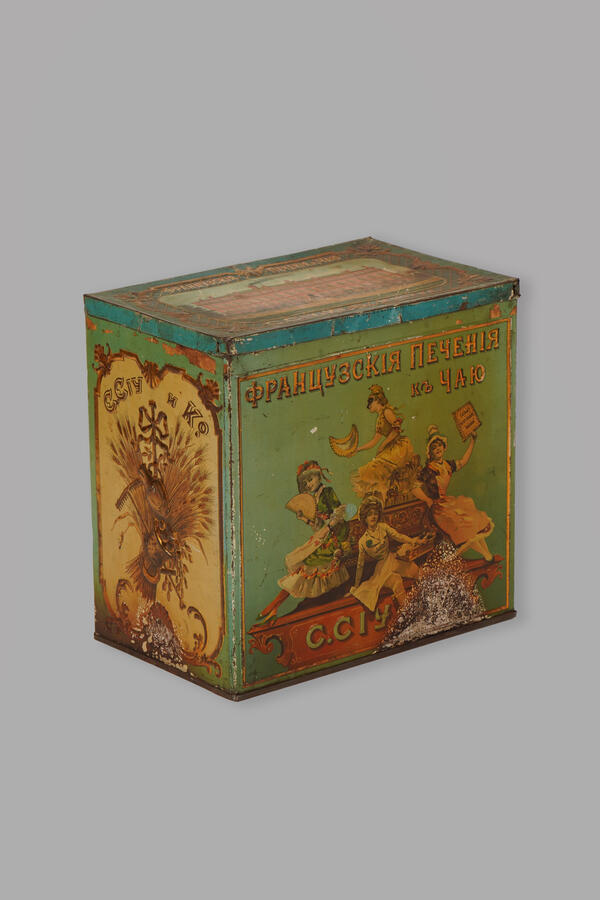
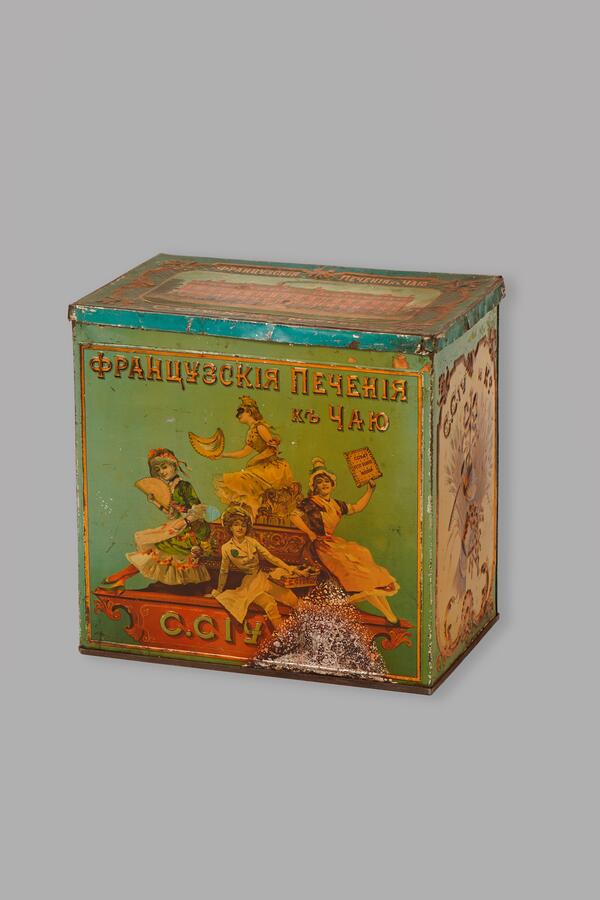
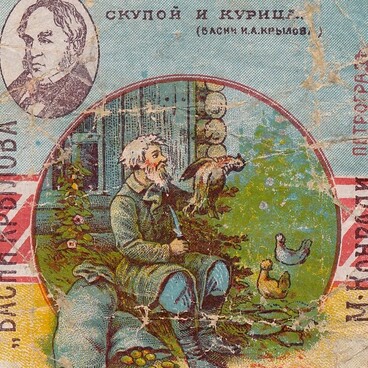
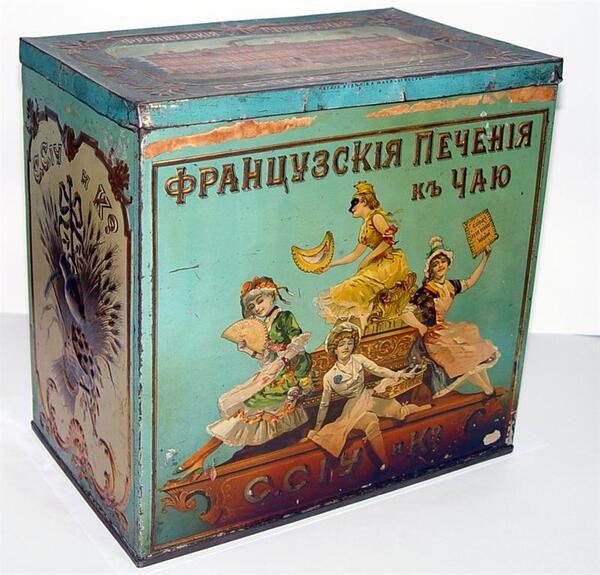
In addition to the sweet products, various gifts were used to attract the attention of buyers, for example, elegant and practical tins for storing small items. Many gifts were prepared for the target audience that loved sweets most — for children. There were also pictures with images of fairy-tale characters, and notes describing experiments (the “Natural History” series), and wrappers that children played with by cutting and making funny pictures (the “Caricature” series).
In addition, the Sioux provided bonuses to important buyers: each 10 pounds of chocolate brought one pound free. Beautiful price lists were also actively used. The shop windows were decorated with special “showcase boxes” to attract attention. A system of pre-orders was introduced: if the product was not in stock, the buyers could be sure that they would receive it on time. Branded carriages, vans and even cars traveled between the factory and customers’ homes.
By the early 20th century, more than one and a half thousand people worked in the workshops and about one and a half thousand pounds of sweets were produced daily. Brand stores opened in Saint Petersburg, Moscow, Warsaw and Kyiv, each had its own style: rococo, art nouveau and so on.
“S. Sioux and Co.” was known as a manufacturer of not only sweet products, but also tea and perfume.
In 1913, the trading house “A. Sioux and Co.” received the title of Supplier of the Court of His Imperial Majesty. Today the legendary factory operates under the name “Bolshevik”.
The trading house “A. Sioux and Co.”, which soon turned into a confectionery, specialized in the production of cakes, pastries, chocolate and sweets. In 1881, the sons of Adolphe Sioux joined the family business, and soon a new trademark appeared in the confectionery world — the “S. Sioux and Co.”, where “S” meant “family”. At the factory built under the sons of Adolphe Sioux, the latest oil, steam and gas engines were installed, and chocolate, coffee, biscuits and confectionery products were produced — marmalade, marshmallow, and cocoa. The Sioux were especially proud of their signature liquor dragees.
In addition to the sweet products, various gifts were used to attract the attention of buyers, for example, elegant and practical tins for storing small items. Many gifts were prepared for the target audience that loved sweets most — for children. There were also pictures with images of fairy-tale characters, and notes describing experiments (the “Natural History” series), and wrappers that children played with by cutting and making funny pictures (the “Caricature” series).
In addition, the Sioux provided bonuses to important buyers: each 10 pounds of chocolate brought one pound free. Beautiful price lists were also actively used. The shop windows were decorated with special “showcase boxes” to attract attention. A system of pre-orders was introduced: if the product was not in stock, the buyers could be sure that they would receive it on time. Branded carriages, vans and even cars traveled between the factory and customers’ homes.
By the early 20th century, more than one and a half thousand people worked in the workshops and about one and a half thousand pounds of sweets were produced daily. Brand stores opened in Saint Petersburg, Moscow, Warsaw and Kyiv, each had its own style: rococo, art nouveau and so on.
“S. Sioux and Co.” was known as a manufacturer of not only sweet products, but also tea and perfume.
In 1913, the trading house “A. Sioux and Co.” received the title of Supplier of the Court of His Imperial Majesty. Today the legendary factory operates under the name “Bolshevik”.