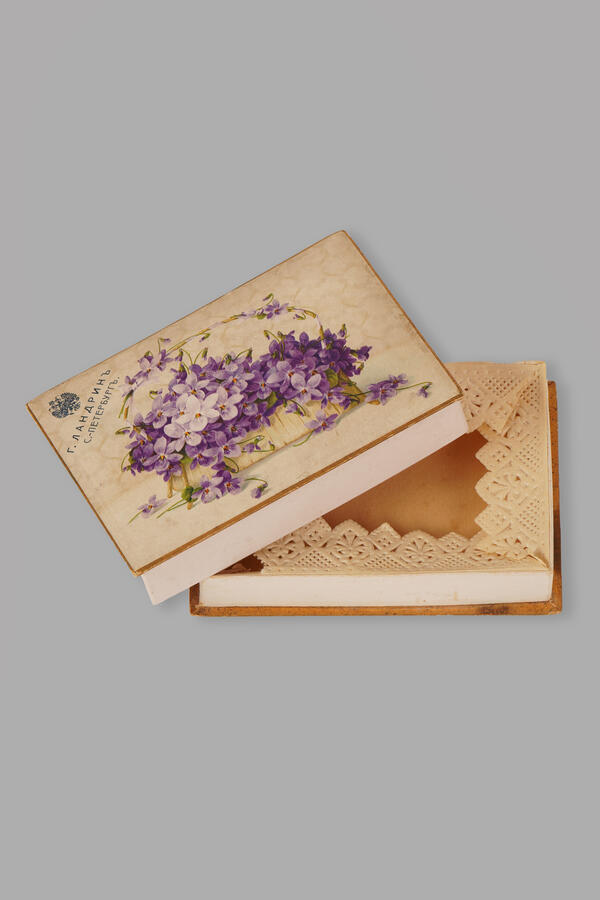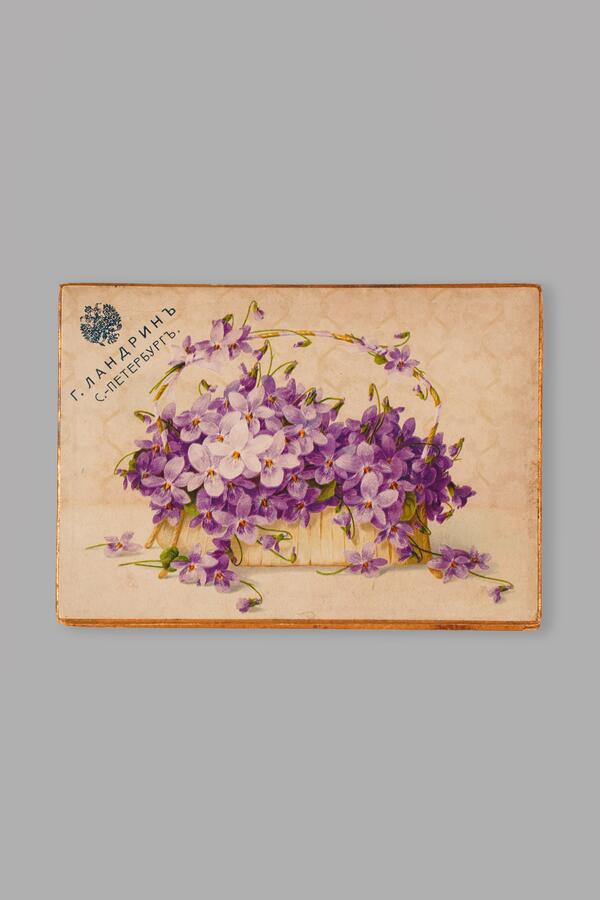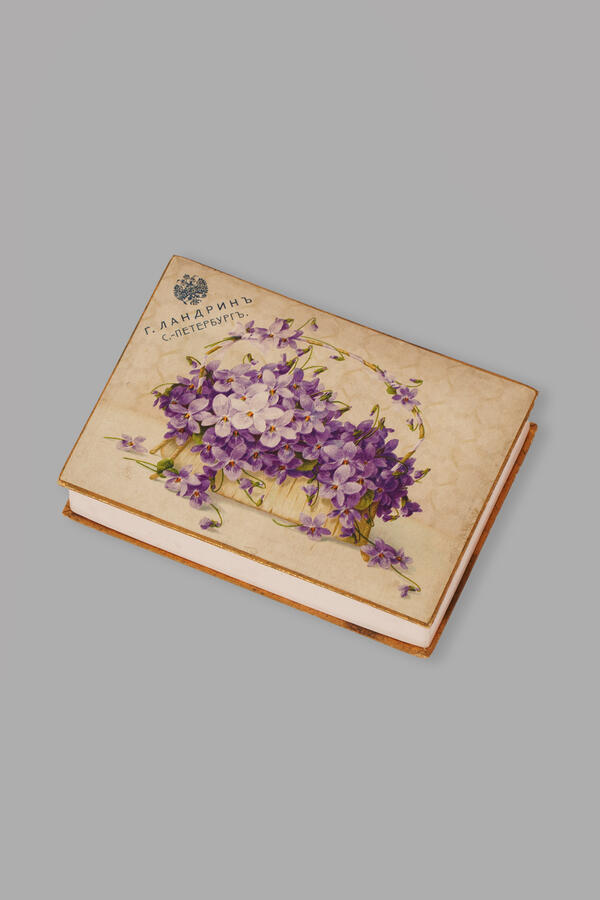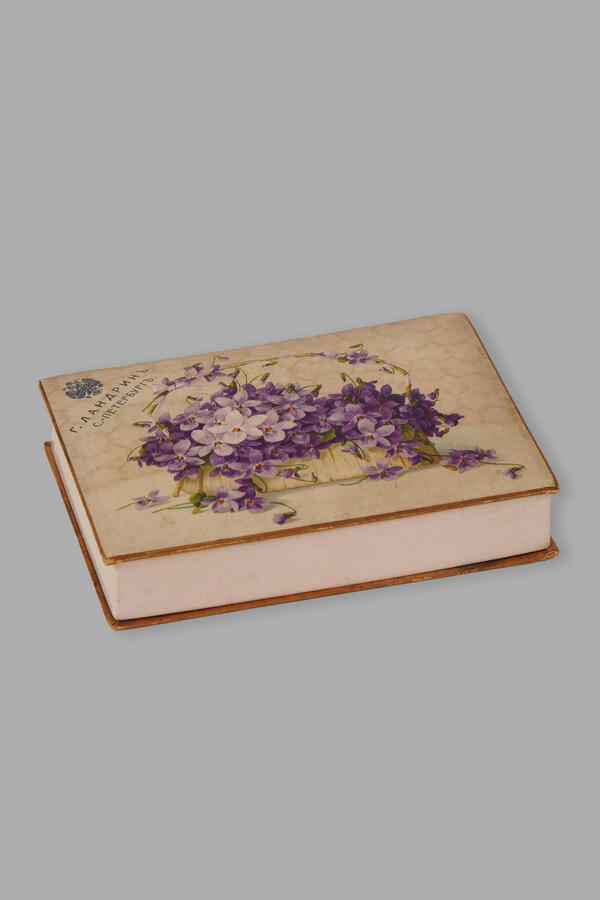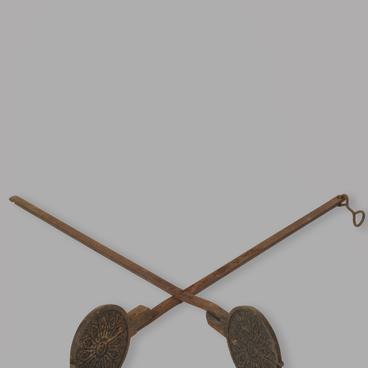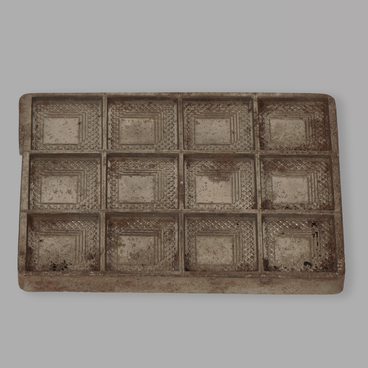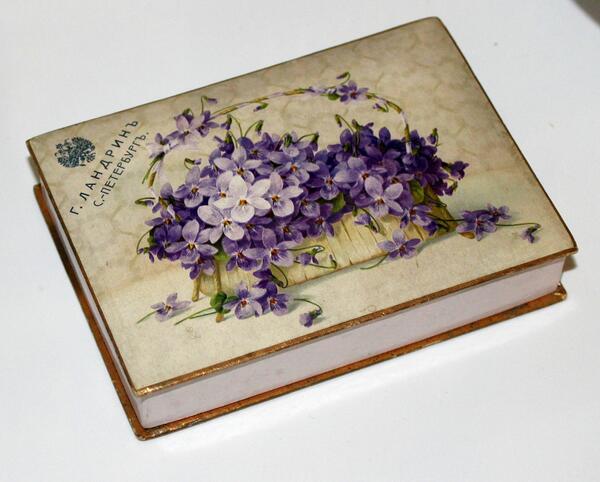
The so-called “landrinki”, candies produced by Georg Landrin’s factory, were most popular among both children and adults throughout the 19th century. The recipe for these hard candies came to Russia from France, and now they are known in Russia under their “general” name — montpensier candies.
The name “landrinki” derives from their creator’s name who invented them almost by accident. Feodor Matveevich Landrin was born in the Novgorod governorate and moved to Saint Petersburg. He received his last name thanks to the Landre river, which flowed in his native village. Feodor was born in 1817 and as a child he started working in Wolf and Beranger’s shop on Nevsky Prospekt.
He turned out to be a talented learner — he constantly came up with new recipes, and when the opportunity arose, he started his own business: he made candies and sold them in the streets. Legend has it (the story is described in detail in Vladimir Gilyarovsky’s book “Moscow and Muscovites”) that he also made goods for the merchant Eliseev. He wrapped unusual red and white sucking sweets in gold wrappers and delivered them to the customer in a tray. But one day something bad happened: Landrin, who had taken partied the day before, carried a covered tray to Eliseev and forgot about the wrappers. The merchant refused to accept the goods. Landrin was tired and upset; he sat down to rest near the women’s gymnasium, where he was noticed by the girls. On that day, he sold the whole amount of the “failed” sweets for two kopecks apiece, and this turned out to be much more profitable than working with Eliseev. Several times Landrin brought sweets at the agreed time to the gymnasium, and then he began to trade in other places. Many people liked to buy candies without any wrappers in bulk and at very affordable prices.
In 1848, Landrin opened a workshop on the Vyborg side, where only candy caramel was produced, and took on the more harmonious name of Georg. Now, convenient tin boxes were used to pack “landrinki” and the customers could use these boxes for a long time. Soon the trademark “G. Landrin” was registered. In 1869, the products were highly appraised at the World Exhibition in Paris.
The assortment was enriched by biscuits and chocolates, and since 1880 “Georg Landrin” was listed as the Supplier of the Court of His Imperial Majesty. In 1913, the company was already in the status of a share partnership. The steam factory built on Bolshoi Sampsonievsky avenue began to produce more than 2.5 million tons of sweets per year. Forty branded stores and confectioneries were opened on Nevsky Prospekt, and at the same time, a public garden on Kalinkinskaya Square was opened at the expense of Landrin.
In 1917, the factory was nationalized and included in the Lenpischeprom system.
The name “landrinki” derives from their creator’s name who invented them almost by accident. Feodor Matveevich Landrin was born in the Novgorod governorate and moved to Saint Petersburg. He received his last name thanks to the Landre river, which flowed in his native village. Feodor was born in 1817 and as a child he started working in Wolf and Beranger’s shop on Nevsky Prospekt.
He turned out to be a talented learner — he constantly came up with new recipes, and when the opportunity arose, he started his own business: he made candies and sold them in the streets. Legend has it (the story is described in detail in Vladimir Gilyarovsky’s book “Moscow and Muscovites”) that he also made goods for the merchant Eliseev. He wrapped unusual red and white sucking sweets in gold wrappers and delivered them to the customer in a tray. But one day something bad happened: Landrin, who had taken partied the day before, carried a covered tray to Eliseev and forgot about the wrappers. The merchant refused to accept the goods. Landrin was tired and upset; he sat down to rest near the women’s gymnasium, where he was noticed by the girls. On that day, he sold the whole amount of the “failed” sweets for two kopecks apiece, and this turned out to be much more profitable than working with Eliseev. Several times Landrin brought sweets at the agreed time to the gymnasium, and then he began to trade in other places. Many people liked to buy candies without any wrappers in bulk and at very affordable prices.
In 1848, Landrin opened a workshop on the Vyborg side, where only candy caramel was produced, and took on the more harmonious name of Georg. Now, convenient tin boxes were used to pack “landrinki” and the customers could use these boxes for a long time. Soon the trademark “G. Landrin” was registered. In 1869, the products were highly appraised at the World Exhibition in Paris.
The assortment was enriched by biscuits and chocolates, and since 1880 “Georg Landrin” was listed as the Supplier of the Court of His Imperial Majesty. In 1913, the company was already in the status of a share partnership. The steam factory built on Bolshoi Sampsonievsky avenue began to produce more than 2.5 million tons of sweets per year. Forty branded stores and confectioneries were opened on Nevsky Prospekt, and at the same time, a public garden on Kalinkinskaya Square was opened at the expense of Landrin.
In 1917, the factory was nationalized and included in the Lenpischeprom system.