

In Russia, small multi-colored sucking sweets were called “montpensier candies”. Just like their name, these sweets came from France in the middle of the 19th century. In Russia, hard candies had been known for a long time — they were first mentioned in historical records way back in the 15th century. Large painted figurines were made of burnt sugar and for convenience mounted sticks. They looked like colored pieces of ice — hence, apparently, the name “ledentsy” with “led” being the Russian word for “ice”. These lollipop candies were made in the form of houses, fir trees, bears, deer, fish, and especially often — cockerels. In addition to toy lollipop candies, there were rectangular and cylindrical ones with mint, pear, and barberries flavors. Russian factories started producing these hard sweets with the advent of domestic sugar production.
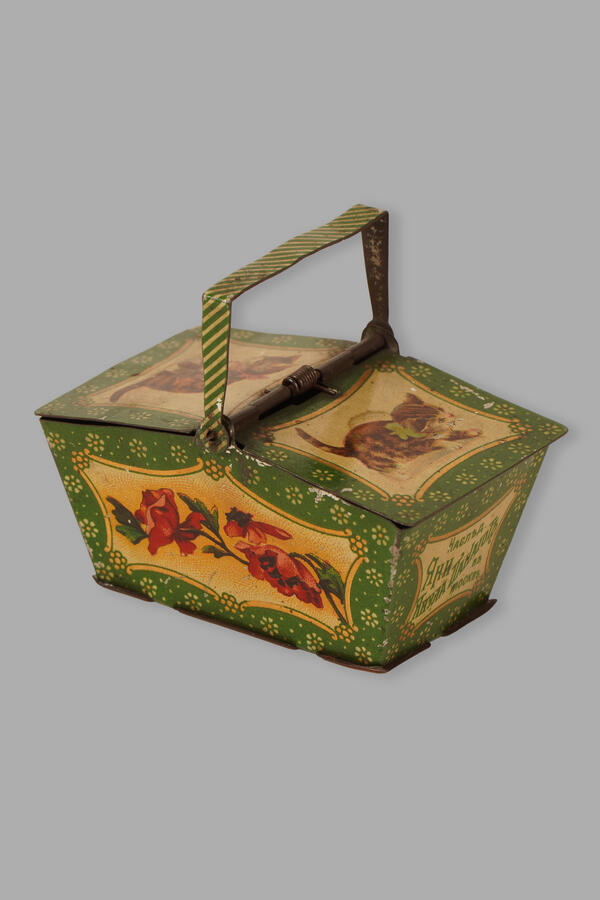
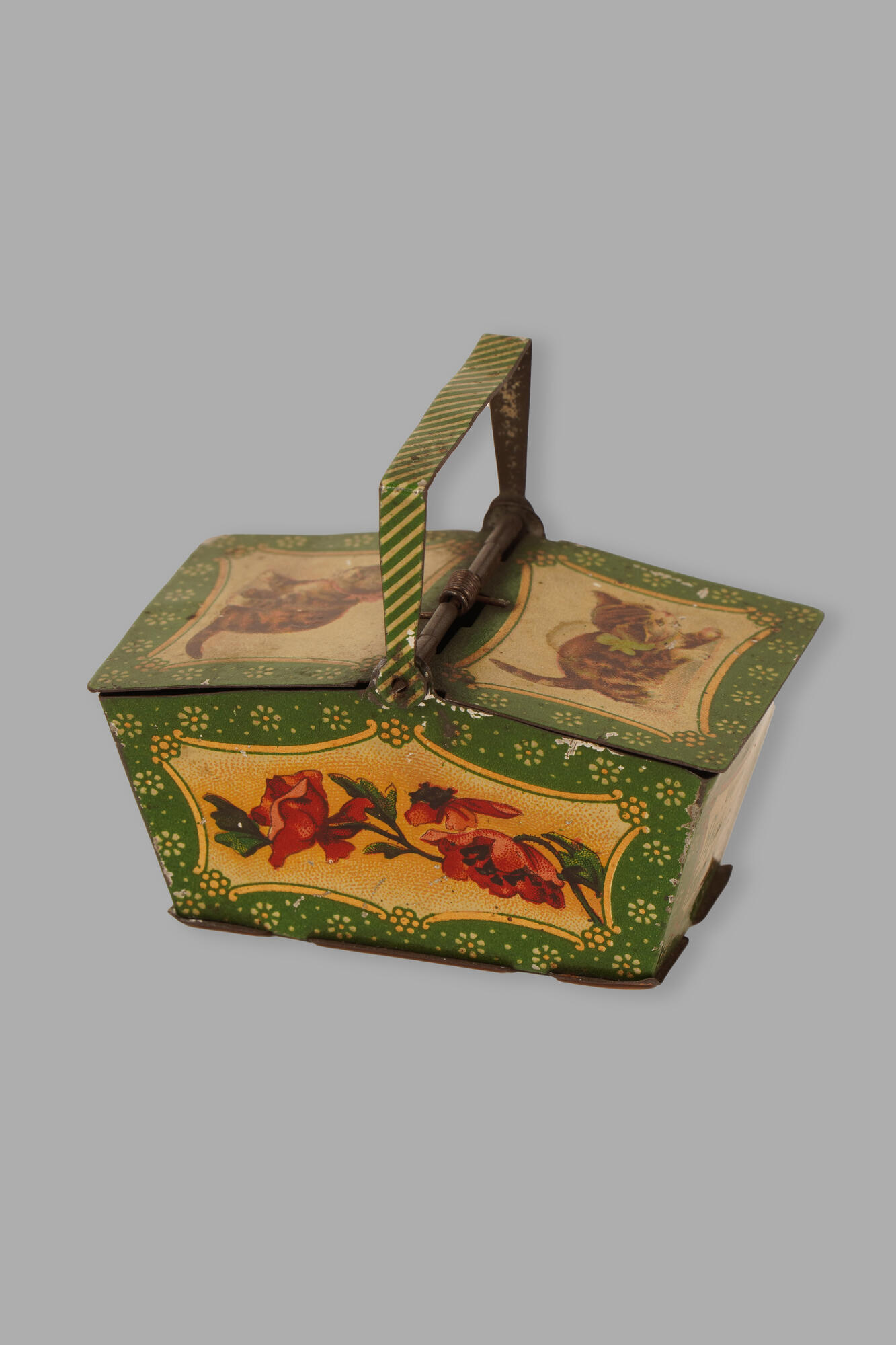
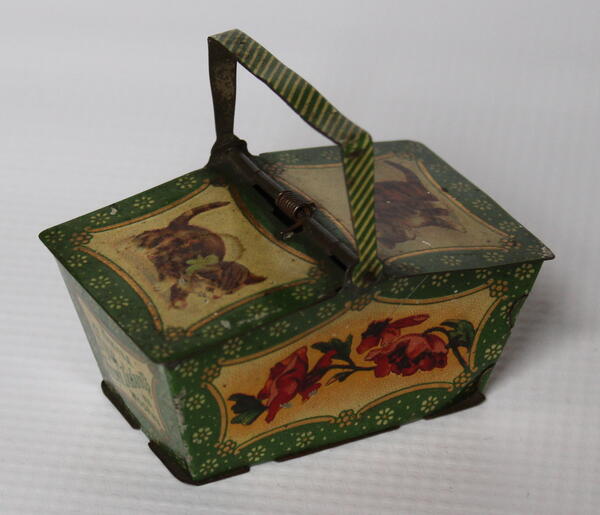
The name “monpensier” that was used to refer to the new sweets sounded refined. In the Middle Ages, French confectioners pampered the nobility with sweets made from boiled sugar. Now that candies became more affordable, anyone could feel like they belonged to the high society. In addition, unlike ordinary sweets in wrappers, monpensier candies were sold in elegant, usually tin boxes called “bonbonnieres” (from the French word “bonbon” meaning “a candy”). The packaging protected against moisture, and the bright decorations attracted the buyers’ attention.
Confectioners used natural dyes (berry juices, saffron, and pomace of herbs) and achieved rich yellow, red, purple, pink, and green colors. Spices — mint, zest, and cloves — were used to give off powerful scents. Lollipop candies were not only delicious, but they also freshened the breath.
The first montpensier candies were handmade. Later, special machines began to be used: bars of soft sugar were cut and passed through rollers in the form of animals, berries and fruit. Then the product was left to harden.
According to one version, montpensier candies owe their name to the surname of a Parisian confectioner. The other story that is more commonly told mentions Anna Montpensier, a character of Alexandre Dumas historical novels. The second, purely Russian name “landrinki” was given to lollipop candies in honor of the famous confectionery factory “Georg Landrin”.
The presented exhibit is also connected with another name — the Greek confectioner Yani (Ivan) Panayot. In the 1880s, he sold Greek sweets, chocolate and candies in Moscow. They were sold at the Lubyansky and Solodovnikovsky shopping galleries or to his café in Sokolniki.
The name “monpensier” that was used to refer to the new sweets sounded refined. In the Middle Ages, French confectioners pampered the nobility with sweets made from boiled sugar. Now that candies became more affordable, anyone could feel like they belonged to the high society. In addition, unlike ordinary sweets in wrappers, monpensier candies were sold in elegant, usually tin boxes called “bonbonnieres” (from the French word “bonbon” meaning “a candy”). The packaging protected against moisture, and the bright decorations attracted the buyers’ attention.
Confectioners used natural dyes (berry juices, saffron, and pomace of herbs) and achieved rich yellow, red, purple, pink, and green colors. Spices — mint, zest, and cloves — were used to give off powerful scents. Lollipop candies were not only delicious, but they also freshened the breath.
The first montpensier candies were handmade. Later, special machines began to be used: bars of soft sugar were cut and passed through rollers in the form of animals, berries and fruit. Then the product was left to harden.
According to one version, montpensier candies owe their name to the surname of a Parisian confectioner. The other story that is more commonly told mentions Anna Montpensier, a character of Alexandre Dumas historical novels. The second, purely Russian name “landrinki” was given to lollipop candies in honor of the famous confectionery factory “Georg Landrin”.
The presented exhibit is also connected with another name — the Greek confectioner Yani (Ivan) Panayot. In the 1880s, he sold Greek sweets, chocolate and candies in Moscow. They were sold at the Lubyansky and Solodovnikovsky shopping galleries or to his café in Sokolniki.