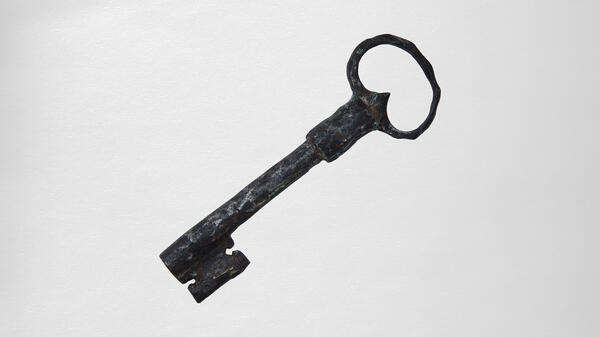
The Radogoshch Museum houses an old key, which was used to open a guardroom of the Pogar fortress in the 17th century. This key was made by Pogar craftsmen from the kovaly (blacksmiths) craft guild from a copper and steel alloy. The key shape was traditional: the key had a round barb and was crowned with an ornately shaped head.
An earthen log fortress was built in the second half of the 17th century in Pogar. It was located in a picturesque place on the bank of the Sudost River. The building was erected on high hills, surrounded by moats and ravines. The fortress wall had four towers with gates, which were closed at night. On the approaches to the fortress, there were guardrooms. Pogar residents called them “kalaurnya”.
The Pogar Sotnya Cossacks maintained a patrol in the guardrooms. In case of an unexpected attack by haidamak units or the Poles, the watchmen warned the other Cossacks. The haidamaks were the military units positioned on the right bank of the Dnieper River in Ukraine. They raided the Polish gentry, local citizens who collaborated with the Polish-Lithuanian Commonwealth authorities, Turkish officials, and boyars of Bessarabia, as well as participated in Cossacks campaigns and incursions. Initially, the units set up bases over the Dniester River. They identified themselves as the free Cossacks. The word “haidamaks” was first mentioned in the documents of 1737, before that the units were known as “leventsy”.
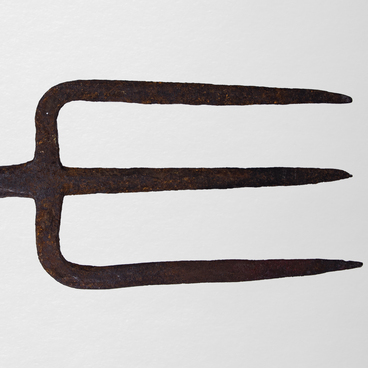
The kalaurnya watchmen also alerted citizens to fires. Usually, they kept fire extinguishing equipment: buckets, axes, and pike poles.
The Pogar fortress was an important bastion during the Great Northern War. The Russian army used the fortress as the headquarters, headed by count Boris Sheremetev, Field Marshal General. In that war, the Pogar Sotnya Cossacks fought on the side of the Russian Empire.
Nowadays, the patch in Pogar, where a guardroom was once located, is called Kalaurnya and is located at the intersection of Uritsky and Shchors streets. Some Pogar residents, the ancestors of Cossacks who patrolled the city, are called kalaurs.
An earthen log fortress was built in the second half of the 17th century in Pogar. It was located in a picturesque place on the bank of the Sudost River. The building was erected on high hills, surrounded by moats and ravines. The fortress wall had four towers with gates, which were closed at night. On the approaches to the fortress, there were guardrooms. Pogar residents called them “kalaurnya”.
The Pogar Sotnya Cossacks maintained a patrol in the guardrooms. In case of an unexpected attack by haidamak units or the Poles, the watchmen warned the other Cossacks. The haidamaks were the military units positioned on the right bank of the Dnieper River in Ukraine. They raided the Polish gentry, local citizens who collaborated with the Polish-Lithuanian Commonwealth authorities, Turkish officials, and boyars of Bessarabia, as well as participated in Cossacks campaigns and incursions. Initially, the units set up bases over the Dniester River. They identified themselves as the free Cossacks. The word “haidamaks” was first mentioned in the documents of 1737, before that the units were known as “leventsy”.
The kalaurnya watchmen also alerted citizens to fires. Usually, they kept fire extinguishing equipment: buckets, axes, and pike poles.
The Pogar fortress was an important bastion during the Great Northern War. The Russian army used the fortress as the headquarters, headed by count Boris Sheremetev, Field Marshal General. In that war, the Pogar Sotnya Cossacks fought on the side of the Russian Empire.
Nowadays, the patch in Pogar, where a guardroom was once located, is called Kalaurnya and is located at the intersection of Uritsky and Shchors streets. Some Pogar residents, the ancestors of Cossacks who patrolled the city, are called kalaurs.