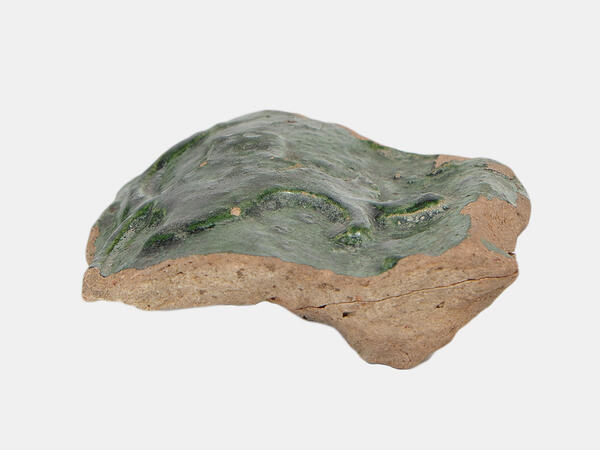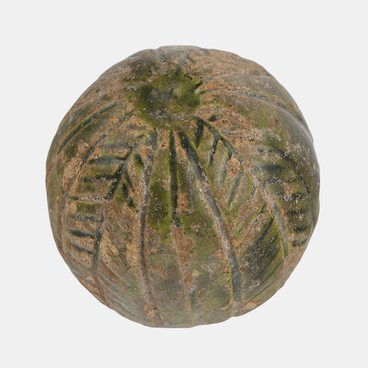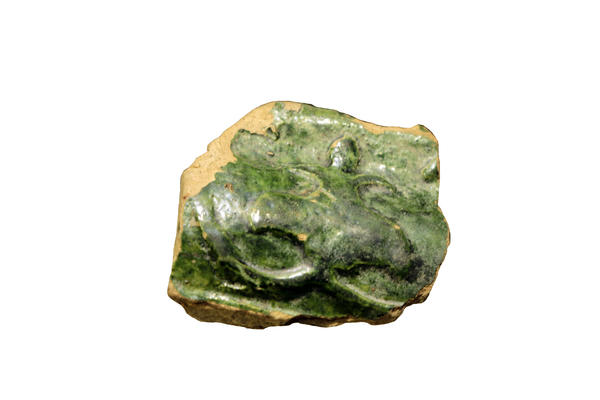
Glazed tiles have been found in the cultural layers of the mid-17th — early 18th centuries in the historical center of Tula. This was the heyday of architectural ceramics: the facades of houses and stoves were covered with relief tiles. The Russian name of green glazed tiles was based on the word meaning “grass”.
Colored tiles appeared after terracotta ones, made from fired red clay. Thus, the glazing technique, which was lost during the Tatar invasion, was revived.
Glazing clay tiles had a practical purpose — to make the product more durable. Gradually it became an artistic technique and a new aesthetic.
In Russia, the heyday of glazed tiles has to do with the work of the invited Lithuanian artisan Ornolt Evermer. He was a prominent craftsman in the Moscow pottery settlement and introduced the term for the “tile”.
The shape of glazed tiles differed from the shape of terracotta ones: the wide frame was gone, the square plate became rectangular, and various sizes appeared. In their patterns glazed tiles combined heraldic and plant motifs, as well as scenes illustrating some plots. Each individual tile, as a rule, was part of a large composition that occupied the entire stove wall.
The 17th-century records often mention “glazed samples”, “glazed brick”, “glazed tiles”, “glazed stoves”, and “glazed dishes”. The name of the place where the glazing technique was used on a large-scale level found its way into the term “Perovskaya glaze”. Today it refers to the production of clay toys based on the Slavic epic.
The green color of the glaze is associated with the presence of lead and copper in its composition. Later, ceramic products began to be decorated with multi-colored tin glaze. It was called “tsenina”, hence the name of the multi-colored tiles and the craft itself.
Smooth tiles resembling the Dutch white tiles with blue painting appeared after Peter I sent his craftsmen to study abroad. In the 19th century, tiles began to be mass produced, and with rare exceptions, ceased to be a piece of art.