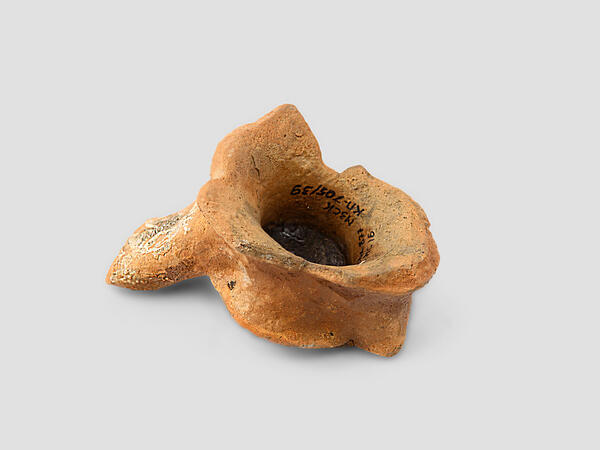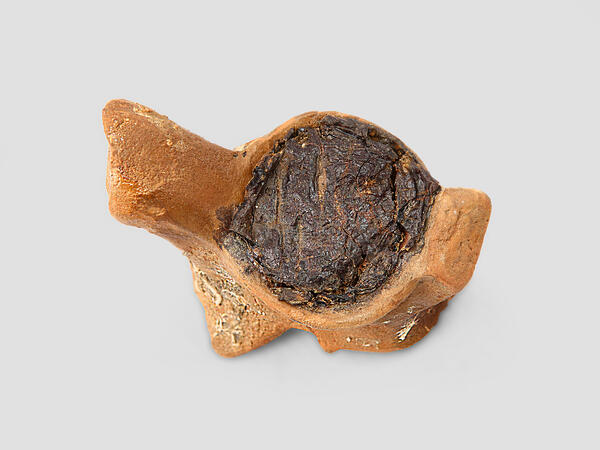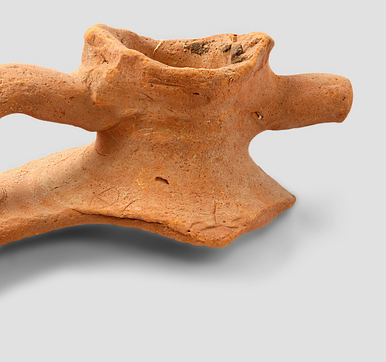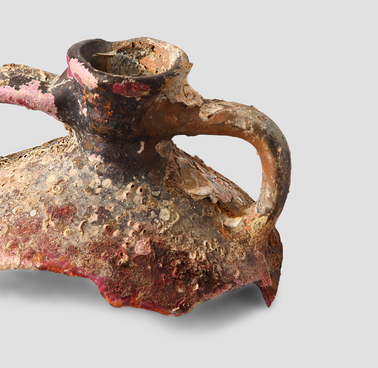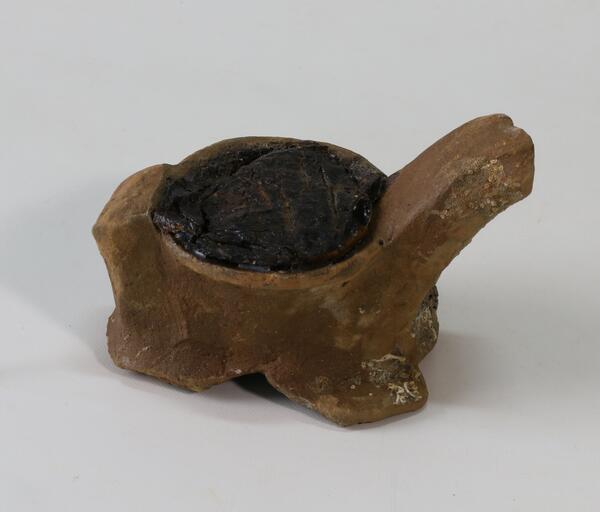
The fragment was recovered by scuba divers from the seabed in the bay near the Novy Svet settlement in 2016. It is most likely a part of an amphora that was used to transport wine.
To transport this much sought-after commodity, a whole range of requirements was introduced for amphorae. The vessel had to be reusable, made of durable, lightweight and neutral material, airtight and able to keep a cool temperature. Only when these requirements were met, the transportation became relatively cheap for merchants, and overheating, oxidation and foreign smells did not affect the quality of wine.
The main task was to keep the wine from souring. For this purpose, resins were actively used: the walls of the vessels were treated with them from the inside, and thus a protective glaze from a mixture of oil and resins of pine and mastic tree appeared on the liquid surface.
The mastic tree grows in the Mediterranean, but the resin of the “oil pistachio”, endemic to the island of Chios in the Aegean Sea, is famous for its best flavor and healing properties. This unique product has long been produced in the so-called mastic villages.
The resins were also added along with spices to the wine itself for preservation purposes and also to endow it with a special taste and aroma. This was mentioned in the writing of Plutarch, a Greek historian of the turn of the 2nd century, and Pliny the Elder, a Roman scholar of the 1st century. In ancient times, resinated wines were known in most wine-producing areas of Asia and Europe.
Clay corks were originally used to seal the vessels and were secured with gypsum or resin. However, clay alone could not solve the problem of oxidation. So, Egyptians began to mix it with reeds and leaves; Greeks and Romans used wax, resin, fabric, or bark of coniferous trees. Corkwood stoppers were of an outstandingly high quality, which is still valued today, but they were hardly used in the 10th–12th centuries as they were highly expensive.
Archaeologists rely greatly on the types of corks, stamps and merchant’s marks when dating vessels and establishing the place of their production.