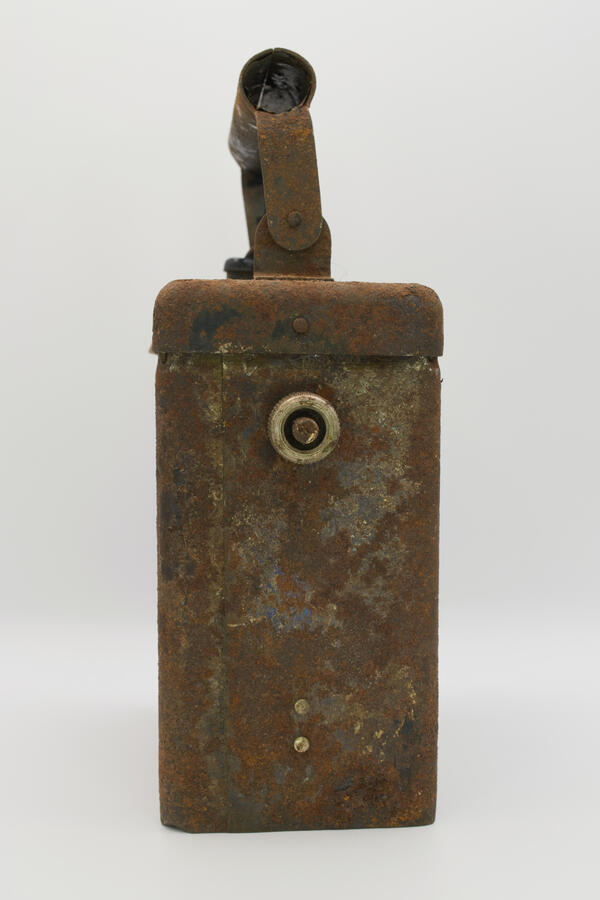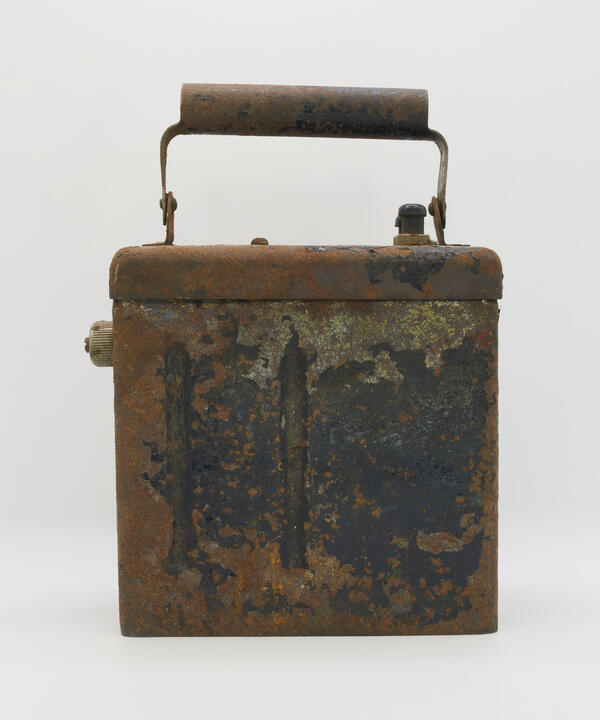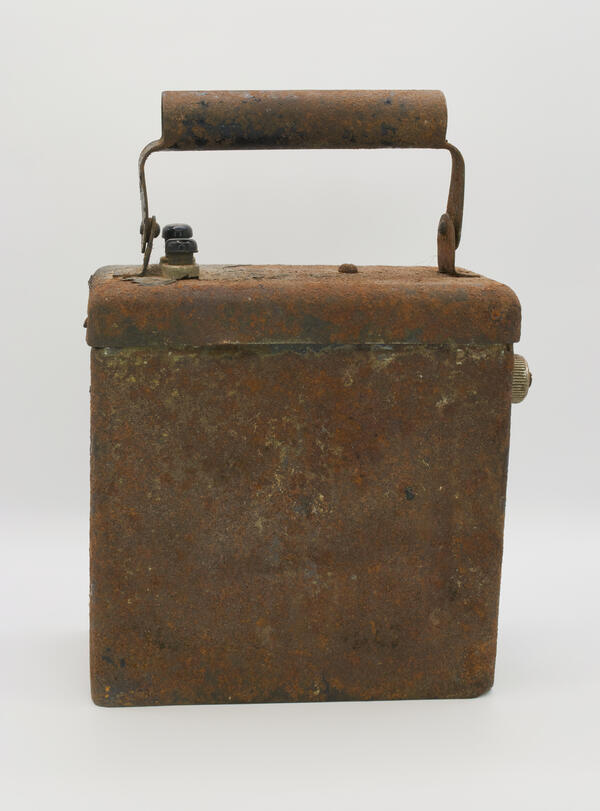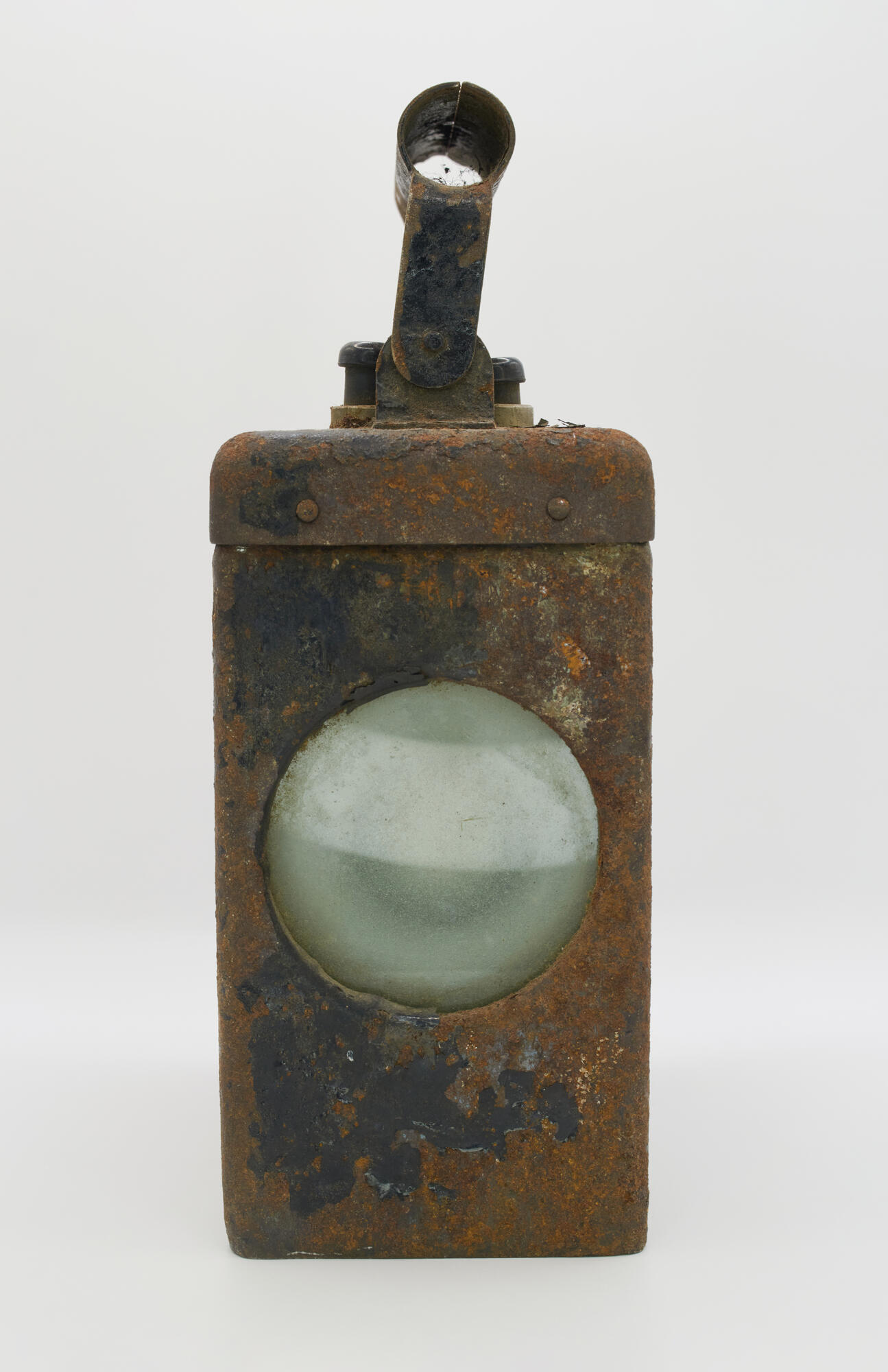


The Russian word for a lantern “fonar” is derived from the Greek word meaning “a lamp”. A portable or stationary lantern is an artificial light source, a device for illuminating separate areas of space in the dark.
Since the “domestication” of fire, people have always been looking for and coming up with ways to illuminate their lives in all circumstances. The very first primitive lantern is an ordinary torch, which had many obvious drawbacks. Then, with the advent of wax, a candle was added to the lighting fixtures, and when combustible fuel appeared — a kerosene lamp. Such light sources were, although more advanced, rather unsafe and had other disadvantages: a short life expectancy and the release of harmful substances during burning.
The invention of the lantern was directly linked to the appearance of an incandescent light bulb. From then on, it was a matter of improving the technology: the era of hand-held electric lanterns began — invaluable assistants that replaced dangerous candles and kerosene lamps. Despite the invention and spread of electric lighting in the early 20th century, the kerosene lamp was still widely used, especially in remote villages and on the railway.
Railway lanterns have been used since the late 1830s in optical telegraphs and semaphores (systems of conveying information by means of visual signals). Lanterns have been used to illuminate route indicators, as well as to light and mark the place of work on the tracks. The first light source used in railway lanterns was a candle. Later, it was replaced by kerosene, then gas (acetylene or propane), and in 1949 — electric lamps (in battery-powered signal lanterns).
The first battery-powered
railway and mining lanterns and lamps appeared in the early 1930s and gradually
replaced dangerous light sources. This exhibit was produced in the USSR in 1952
by the Moscow Iskra Plant. The lantern with a handle was powered by a battery,
the light source in it was an incandescent lamp which was amplified by a
reflector. A spare incandescent lamp was attached to the device as well. The
lantern was used for lighting and signaling on the railway in the daytime and
at night.