The Transfiguration Monastery was founded in the 16th century. For almost two centuries, a rather small number of monks lived there. In 1876, observing the general decline of the monastery, the diocesan authorities even planned to abolish it, but the Synod did not support this initiative. From 1900, missionary courses were taught, which increased the status of the monastery, but did not change its internal structure and overall atmosphere.
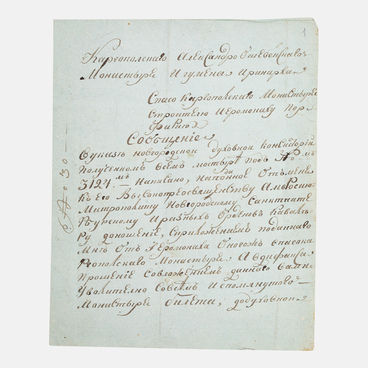
After the revolutionary events of 1917, local peasants began to claim the monastic possessions. A complaint to the county land committee of the priest Evfimiy Dobrynin, the temporary administrator of the monastery, has been preserved. It states that the Poluborsky Village Council wanted to appropriate a forest cottage that had been used by the monks.
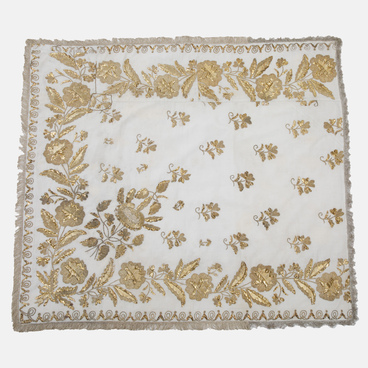
It has not been established when exactly the Transfiguration Monastery became defunct. However, the 1920 census of persons of spiritual rank in Kargopol does not mention a single inhabitant of the monastery; it is also known that at that time the monastic lands — fields, arable land and hayfields — were transferred to the “Progress” commune. In 1922, in accordance with the resolution of the commission for the seizure of church valuables, silver chalices, tabernacles and lamps were taken out of churches, pearls were removed from icons and vestments. The following year, the antiminsia (an antimins is a square cloth, made of silk or linen, with a small relic of an Orthodox martyr sewn into it, kept on the altar) were confiscated, without which it was impossible to perform liturgies in the church. Consequently, in 1923 the monastery was already closed.
In 1924, an agricultural base was located on the territory of the monastery, and later — the “New Village” farm. Books, icons and church utensils were handed over to the museum.
This photo depicts Anton Grigoryevich Olyushkin
(right), born in the Pudozhsky Uyezd, who became a novice of the
Transfiguration Monastery in the early 20th century. According to
his relatives, he was about ten years old at that time. It is likely that he
never took the tonsure, stayed in the monastery until its closure, and then
returned to his hometown. There he married Alexandra Petrovna Barkhatova and
led the life of a layman until his death in 1975. The photo was given to the
museum by the granddaughter of Anton Grigoryevich Olyushkin.