Chinese tea culture has formed over thousands of years independently of any other foreign tradition. There are strict rules about the ways of growing and preparing certain types of tea, as well as the behavior of participants in tea ceremonies and the shape of utensils.
Tea drinking in China is, in effect, a religious ritual that reflects the peculiarities of Chinese mentality and philosophy, combining social and individual aspects.
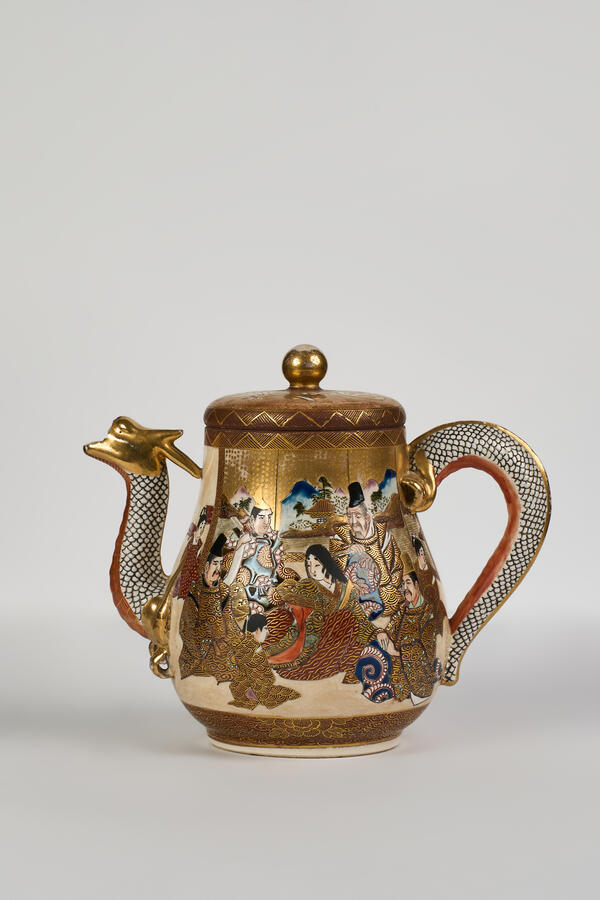
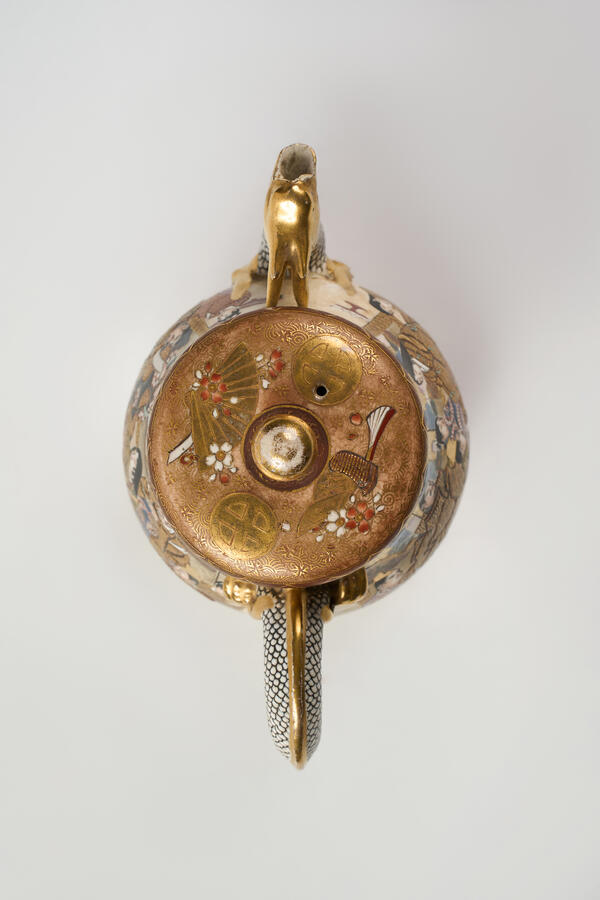
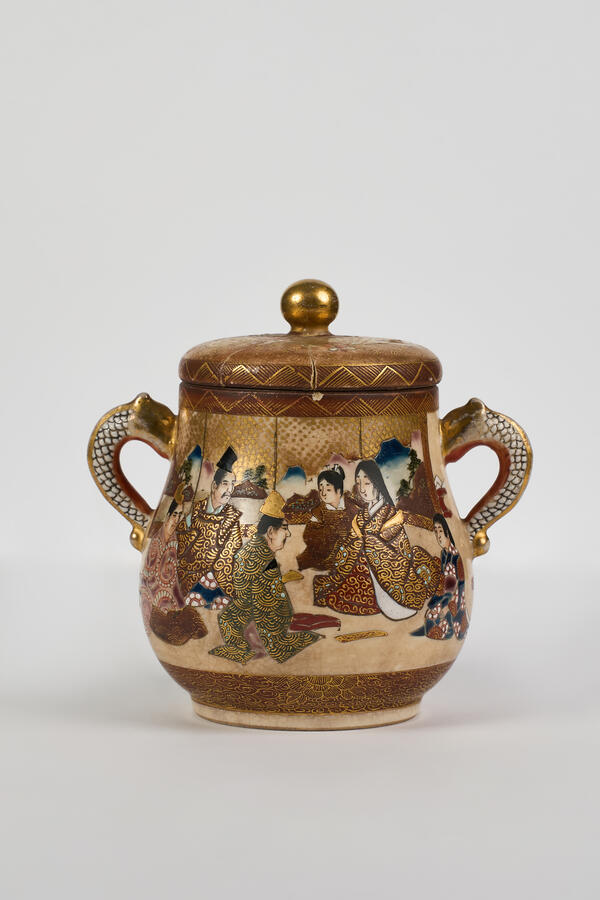
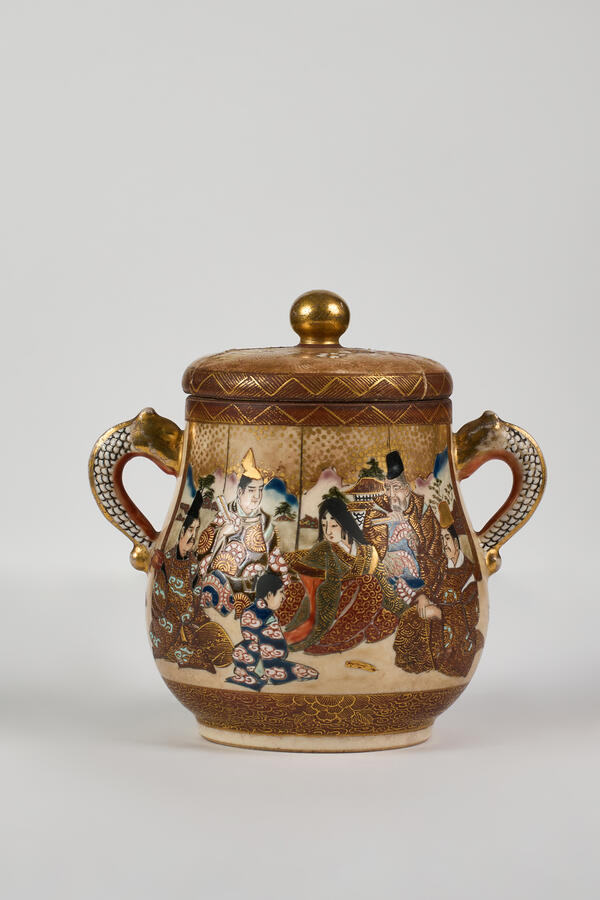
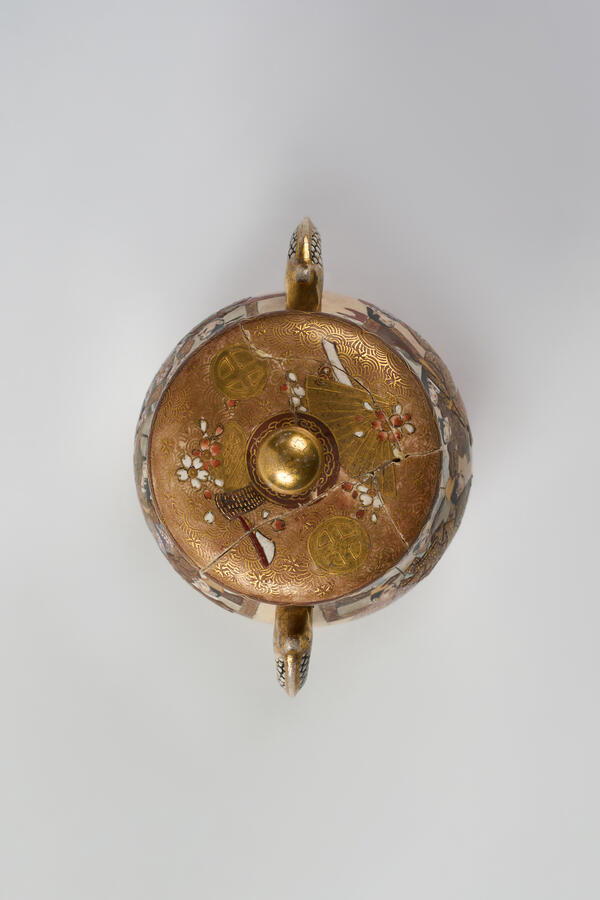
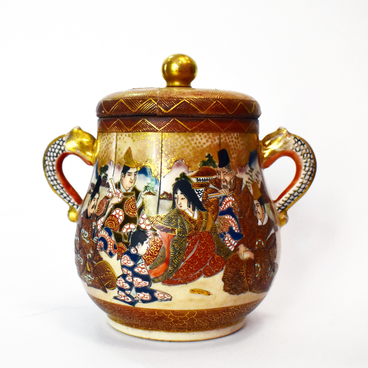
The Astrakhan Art Gallery’s collection of decorative and applied arts includes a miniature teapot, which can provide valuable insights into Chinese culture and tea-drinking traditions.
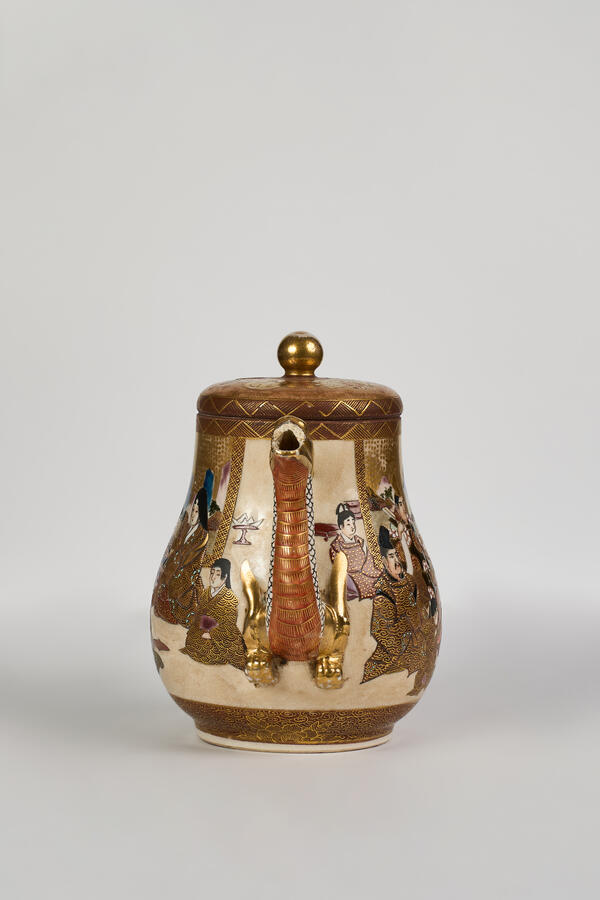
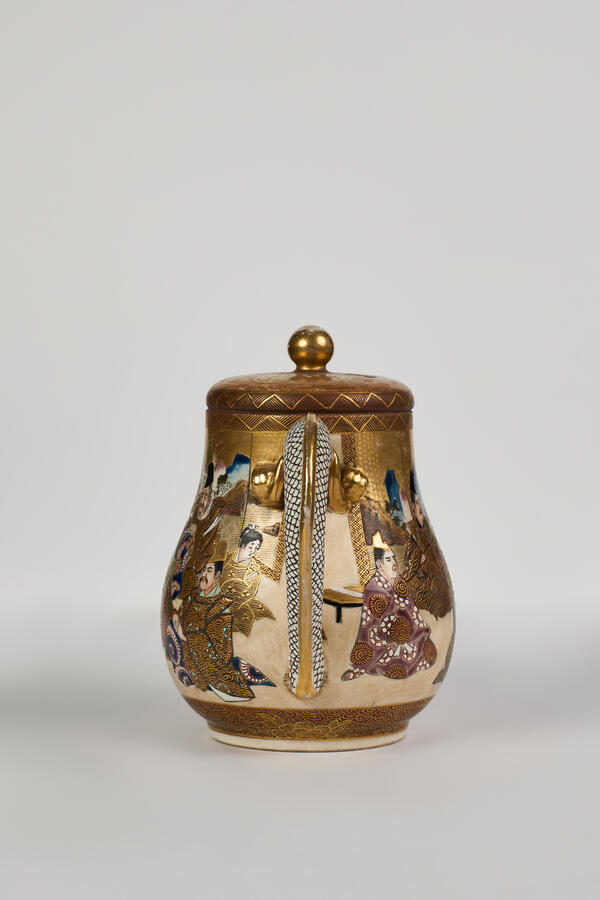
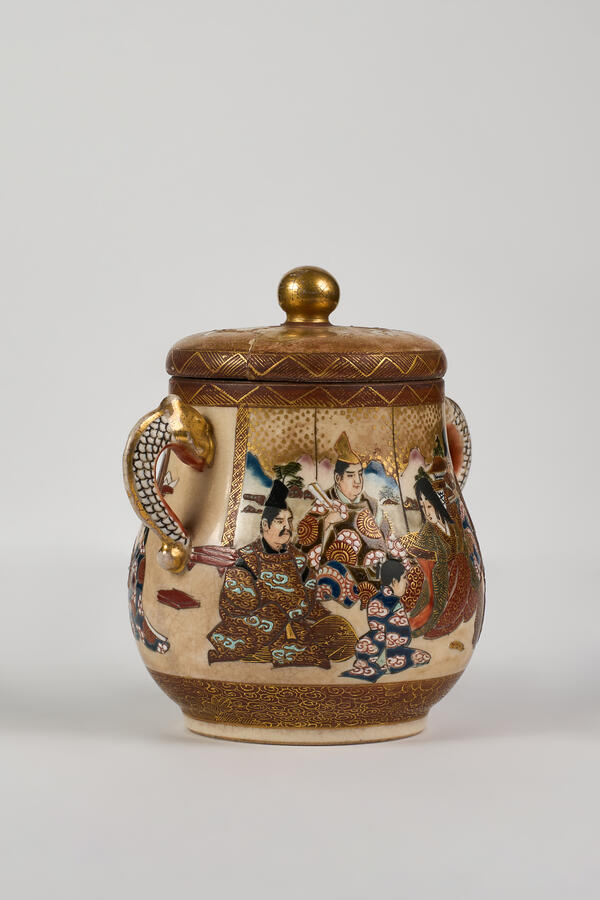
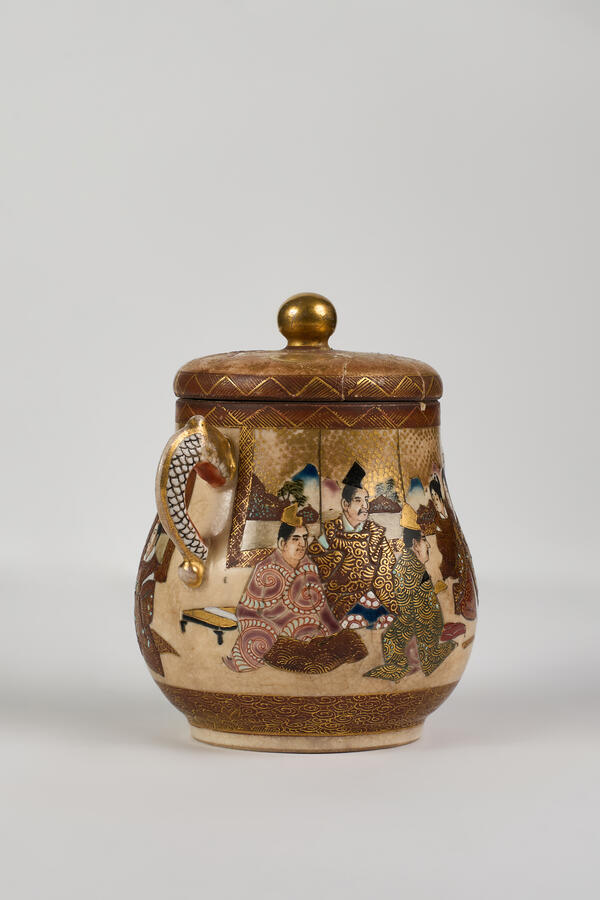
The vessel is painted in restrained brown tones. The image is a genre scene. Separate elements of the painting are connected in a circular composition: figures of women, men and children are depicted against the background of a summer landscape. Judging by the richly decorated clothes, these are family members and close associates of an influential dignitary. Their gestures are calm and peaceful. Ostensibly, they are having a leisurely conversation.
Nearby, on the shore of a lake or river, there is a light gazebo surrounded by picturesque mountains. The traditional Chinese landscape is painted with characteristic details: the snow-covered mountain peaks, the calm and serene flow of the water, and few coniferous trees on the shore.
The spout and handle of the teapot are designed to resemble a dragon.
Chinese culture is one of the oldest in the world. One of its striking features is symbolism. And one of the main symbols is the Chinese dragon.
The dragon is an integral part of Chinese culture. Its image is original and unusual for other peoples, as it incorporates elements of several creatures: the body of a snake, the head of a camel, the tail of a fish, deer antlers, demon eyes, the neck of a snake, carp scales (traditionally the number of scales is strictly limited, there should be 81 or 117 scales), five eagle claws, the soles of a tiger and cow ears. All these incompatible parts of completely different creatures are harmoniously blended together in the image of a Chinese dragon. Moreover, it is able to fly without wings. According to ancient beliefs, dragons have a bump on the top of their heads, thanks to which they can fly.