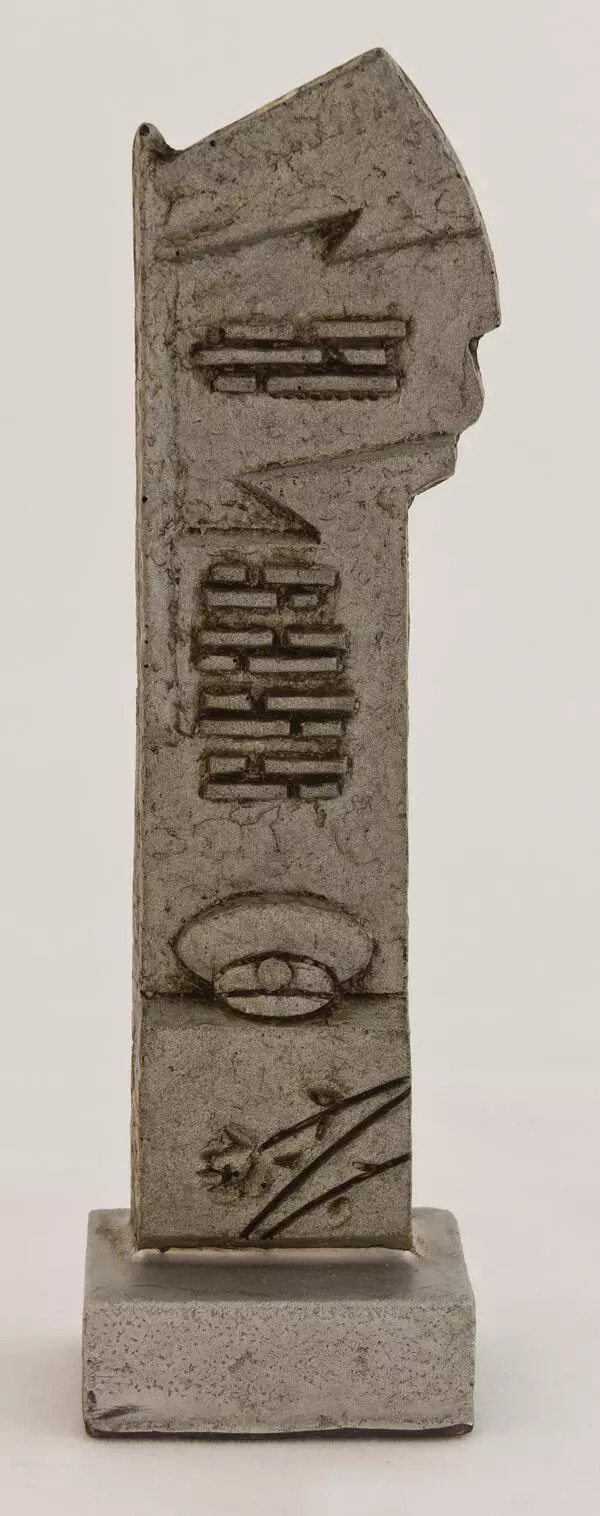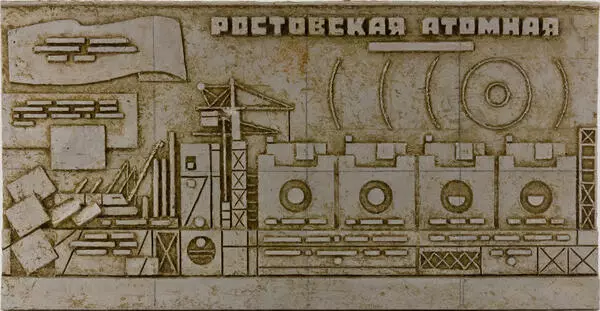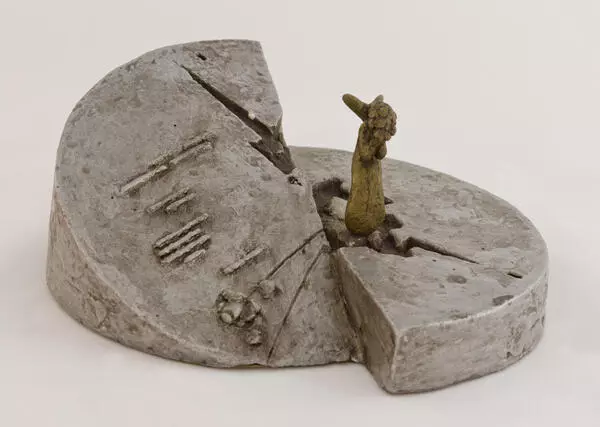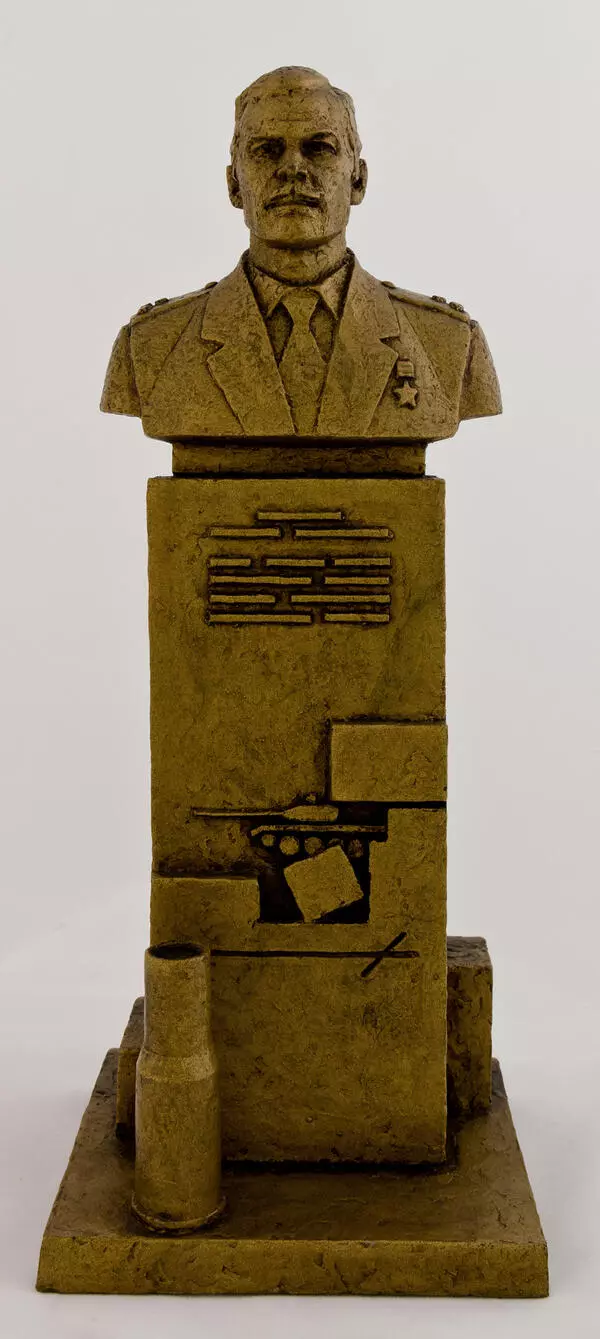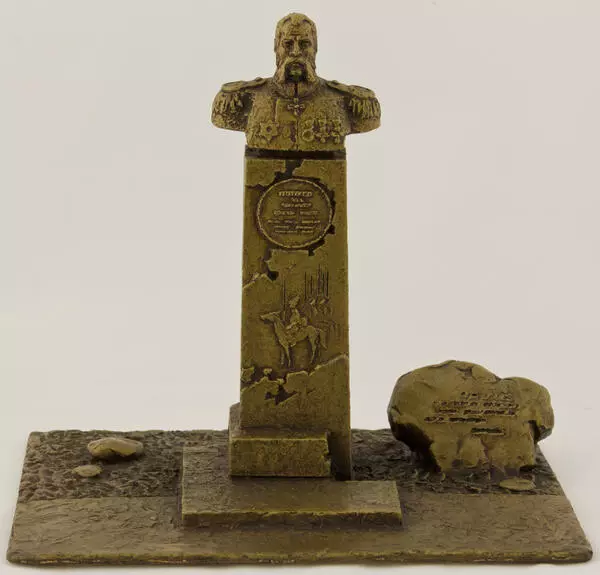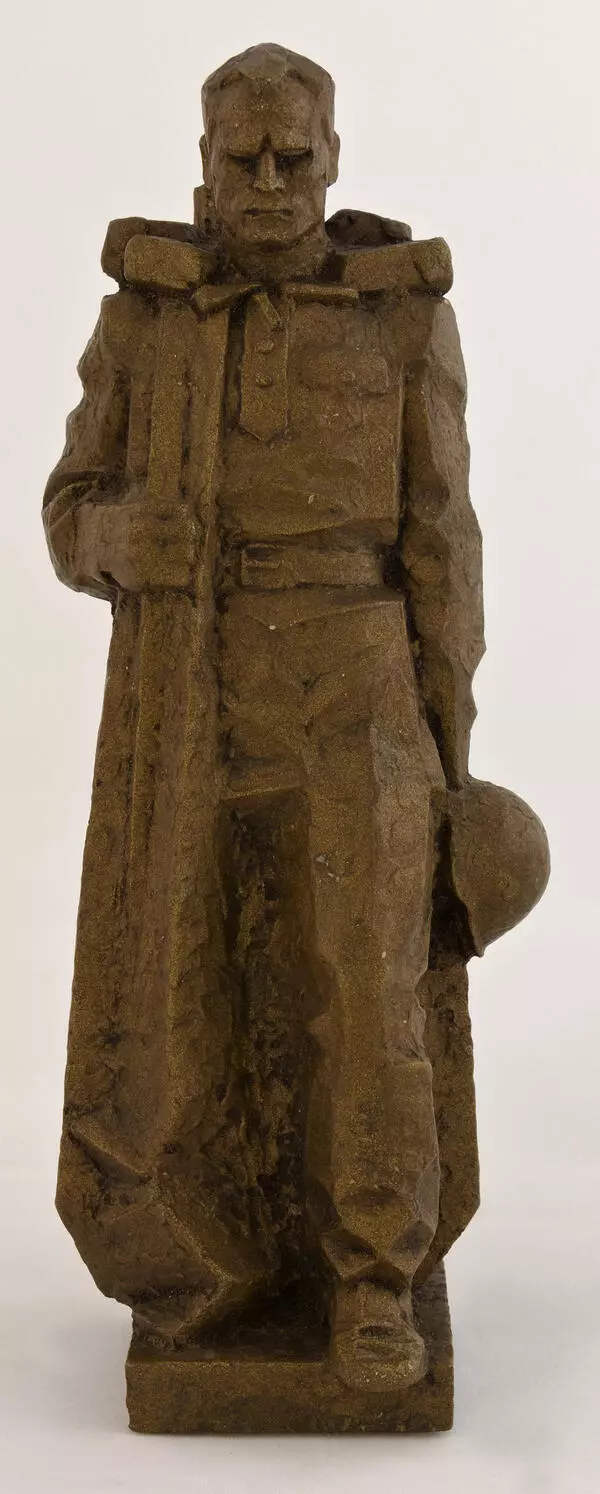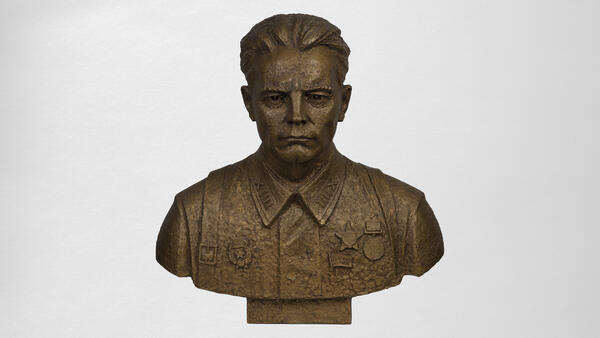
The collection of the Zimovniki Museum of Local History has a portrait sculpture of the Guards Colonel Minnivaley Baykov. The work was performed in 2012 by sculptor Yegor Derdiyashchenko, a member of the Union of Artists of Russia and a member of the Volgodonsk creative union “Belaya Vezha” His works are kept in the collections of Russian and foreign museums, as well as in private collections.
Minnivaley Baykov was born in December 1902 in the village of Kalmashevo, on the territory of modern Bashkortostan, in a peasant family. In 1924, the Kazan Military Commissariat called up Minnivaley Baykov for military service, and he connected his life with the army.
In 1925, Minnivaley Baykov graduated from the regimental school of the 34th Artillery Regiment and completed the command courses in 1932. After that, he was appointed battery commander. Soon it became the best unit in the district. In 1934, Minnivaley Baykov was awarded the Order of the Red Star for this. In 1937, Minnivaley Baykov was elected a deputy of the Supreme Soviet of the USSR of the first convocation.
In 1939–1940, Minnivaley Baykov participated in the Soviet–Finnish War and commanded the artillery of a rifle division. Then he went to the front of the Great Patriotic War. Minnivaley Baykov had solid military experience, so the command sent him to the most dangerous areas of combat operations. Minnivaley Baykov’s military personnel distinguished themselves in the battles for the liberation of the khutor (village) of Tormosin and the city of Rostov-on-Don.
Guards Colonel Minnivaley Baykov was killed during one of the bombings of the Starocherkasskaya stanitsa (Cossack village) in February 1943. It was decided to bury him in Kazan, the city where his family lived. On the way, the plane with the coffin got into a severe snowstorm and had to land at the nearest airfield — in the village of Zimovniki.
On February 14, 1943, Minnivaley Baykov was buried in the village of Zimovniki. In 2009, Minnivaley Baykov’s body was reburied with all military honors at the Central Memorial in the village park. Nearby is a grave of the military commander Yefrem Makarchuk and a common grave of soldiers who liberated Zimovniki. Moreover, a street in the village was named in honor of Minnivaley Baykov.
Minnivaley Baykov was born in December 1902 in the village of Kalmashevo, on the territory of modern Bashkortostan, in a peasant family. In 1924, the Kazan Military Commissariat called up Minnivaley Baykov for military service, and he connected his life with the army.
In 1925, Minnivaley Baykov graduated from the regimental school of the 34th Artillery Regiment and completed the command courses in 1932. After that, he was appointed battery commander. Soon it became the best unit in the district. In 1934, Minnivaley Baykov was awarded the Order of the Red Star for this. In 1937, Minnivaley Baykov was elected a deputy of the Supreme Soviet of the USSR of the first convocation.
In 1939–1940, Minnivaley Baykov participated in the Soviet–Finnish War and commanded the artillery of a rifle division. Then he went to the front of the Great Patriotic War. Minnivaley Baykov had solid military experience, so the command sent him to the most dangerous areas of combat operations. Minnivaley Baykov’s military personnel distinguished themselves in the battles for the liberation of the khutor (village) of Tormosin and the city of Rostov-on-Don.
Guards Colonel Minnivaley Baykov was killed during one of the bombings of the Starocherkasskaya stanitsa (Cossack village) in February 1943. It was decided to bury him in Kazan, the city where his family lived. On the way, the plane with the coffin got into a severe snowstorm and had to land at the nearest airfield — in the village of Zimovniki.
On February 14, 1943, Minnivaley Baykov was buried in the village of Zimovniki. In 2009, Minnivaley Baykov’s body was reburied with all military honors at the Central Memorial in the village park. Nearby is a grave of the military commander Yefrem Makarchuk and a common grave of soldiers who liberated Zimovniki. Moreover, a street in the village was named in honor of Minnivaley Baykov.