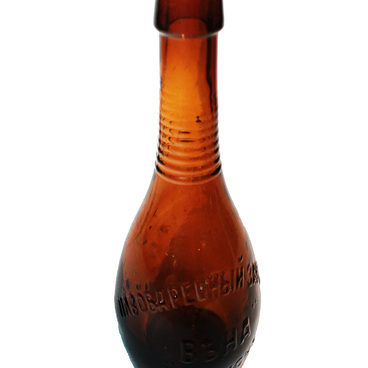
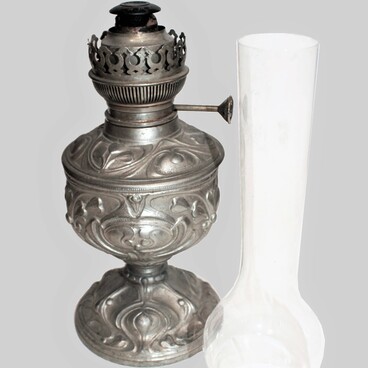
Tomsk merchants left a mark on the city’s history not only with their trading activities, gold mining, and charity but also with their infamous drinking bouts. Merchants loved beer, vodka, and especially champagne, which was extremely popular at the time. The Tomsk History Museum has several bottles on display, and one of them, a dark green glass bottle, was used for holding this very beverage, champagne.
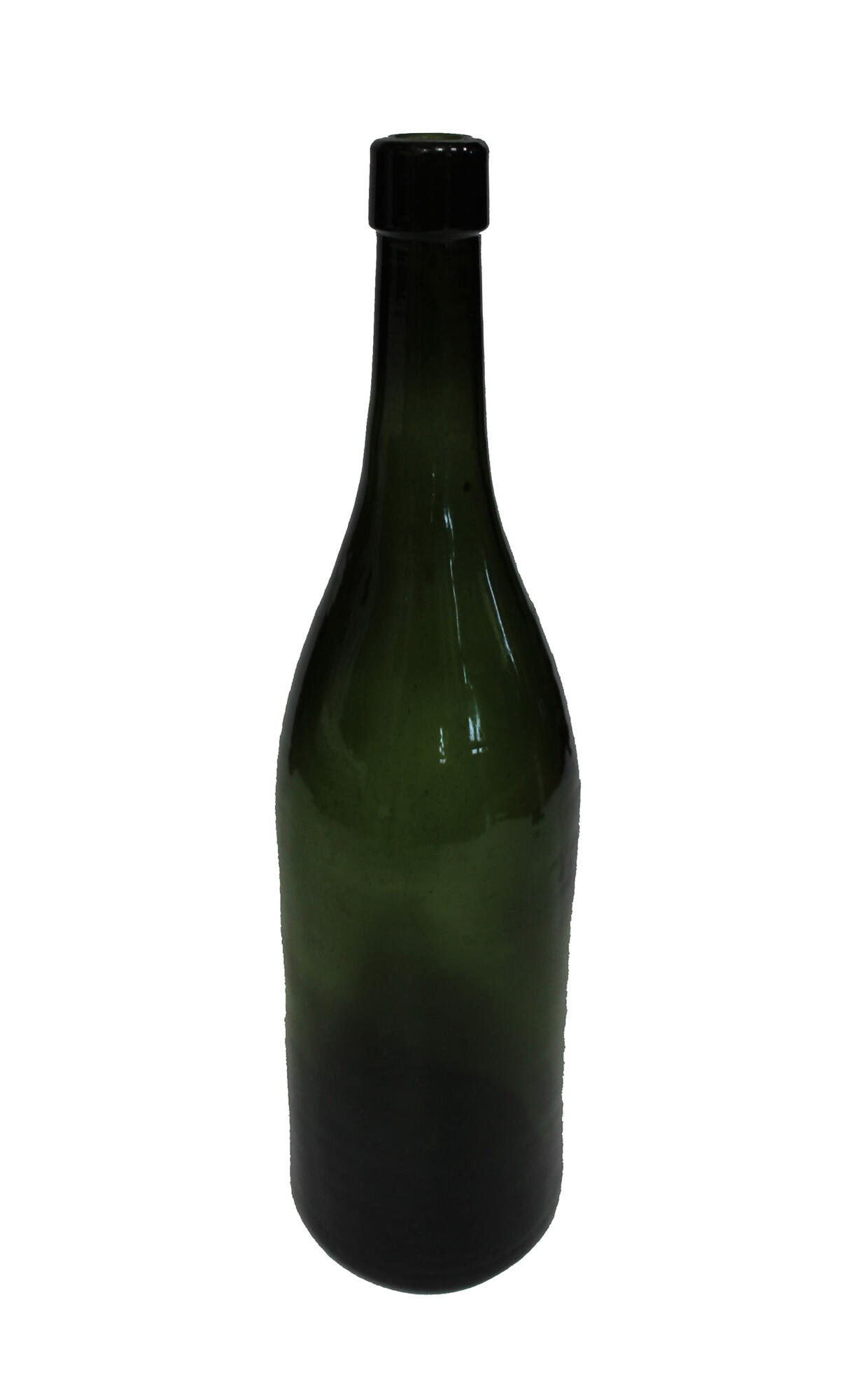


Champagne bottle
Creation period
Late 19th–early 20th century
Place of сreation
Russia
Dimensions
28.5 x 8 cm
Technique
Industrial production
Collection
Exhibition
3
Open in app#1
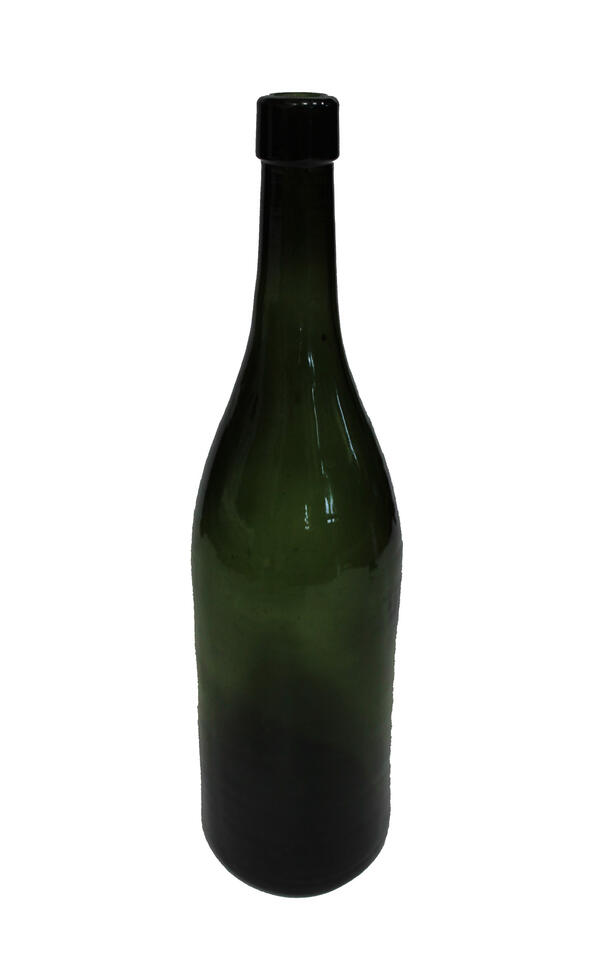
Champagne bottle
#3
#4
In the past centuries, Tomsk had a custom: all high-ranking officials and officers, public figures, foreigners, or simply travelers arriving in the city from the European part of Russia or from abroad were introduced to all of the city’s most influential people. Among others, these included honored residents, prosecutors, the governor, the bishop, and prominent merchants. This tradition was described in the writings of Vasily Florinsky, who was a doctor, archaeologist, and one of the founders of the first department of infantile diseases in Russia, which operated under the Medical and Surgical Academy of St. Petersburg. In 1880, he traveled to Tomsk with the goal of establishing the first university beyond the Urals.
#6
Usually, ceremonial guest visits would continue in the evenings. The guests would gather in the house of one of the city’s prominent persons around 7 o’clock. The ladies would play preferans in the drawing room, while the gentlemen assembled in the hall. There, they had tea and snacks, between which the guests were served Madeira wine or, in especially important cases, champagne. Naturally, they would often play the piano while in the drawing room.
— Vasily Florinsky wrote.
#7
A significant mark on the history of Tomsk was left by the feasts of the merchant and gold mining entrepreneur Filosof Gorokhov, whose house was located on the spot of the present-day House of Military Officers in the mid-19th century. His backyard featured an amazing garden with islands, lakes, and gazebos. It was visited by the exiled Decembrist Gavriil Batenkov in the summer of 1847. Most notably, the garden is known for the feasts held in the glass pavilion that served as a crossing over one of its ponds, as well as for its special champagne glasses. The famous Russian scientist Grigory Potanin, who happened to have visited the pavilion, referred to these dinner parties as ‘Lucullan feasts, ’ meaning extravagant, lavish meals. There, food was served on plates decorated with vignette images depicting Gorokhov’s garden with Tomsk in the background, while champagne was served in “fathom-high” glasses.
#8
Tomsk History Museum
read morehide
00:00
00:00
1x
Champagne bottle
Creation period
Late 19th–early 20th century
Place of сreation
Russia
Dimensions
28.5 x 8 cm
Technique
Industrial production
Collection
Exhibition
3
 Point your smartphone camera to open in the app
Open in app
Share