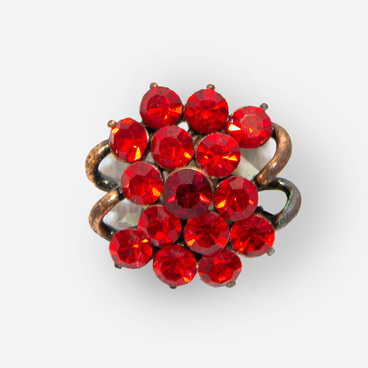


The collection of the museum includes jewelry that was used by Siberian Tatars in the past. Women’s jewelry included braid decorations (“chulpy”), various earrings (“syrga”, “alga”), necklaces, beads (“muntsak”), bracelets (“belazek”), rings, signature rings (“jozek”), and breast decoration items.
The cost of jewelry depended on the woman’s social status. Women and girls from wealthy families wore bracelets, high-grade silver (rarely gold) rings, silver rings with precious stones, expensive earrings, and pearl necklaces. Women and girls from poor families had bracelets and rings made of copper, and they wore cheap earrings and beads (multi-colored glass balls of various sizes strung on a thread) as neck jewelry. Silver jewelry also served as amulets.
The word “bracelet” means “wrist” in French. The bracelet did not immediately become a piece of jewelry. Initially, the bracelets that we now wear on the wrists were worn on the ankles. They served as a talisman to protect against evil spirits. Bracelets were made from animal fangs, bones, or other scrap materials. The time for bracelets as jewelry came when people learned to make metal. Copper and bronze bracelets came into use, later they were made from silver and gold and decorated with precious stones. Since that time, bracelets have become not only an amulet, but also a sign of wealth. They signified class and wealth. The most common item was a solid bracelet made from a single plate.
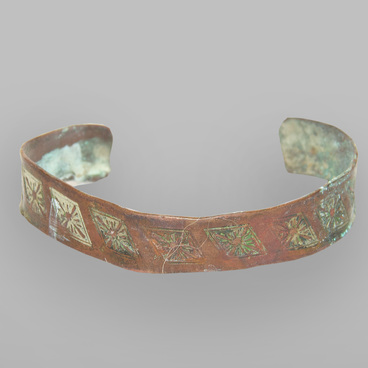
Tatar artisans made bracelets mainly from silver and other simple metals. Bracelets were decorated with carvings, engravings, applied filigree and granulation, inlaid with precious and semi-precious stones. Floral patterns were the most common ones.
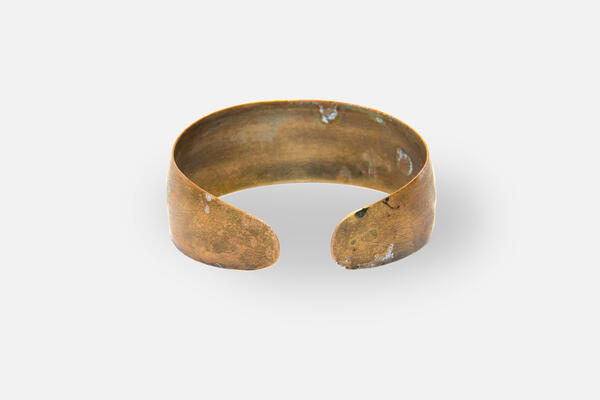
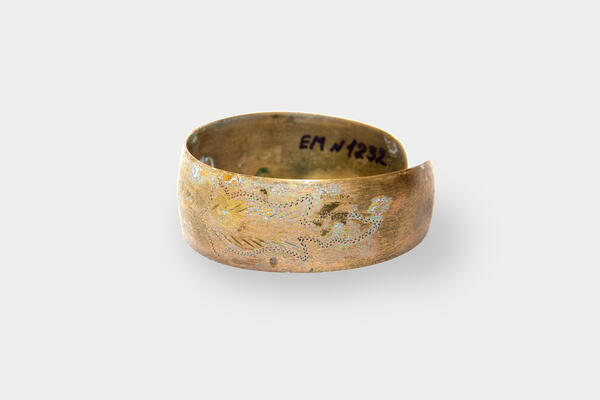
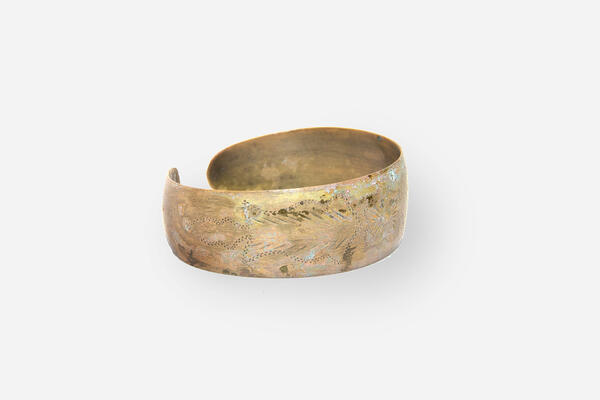
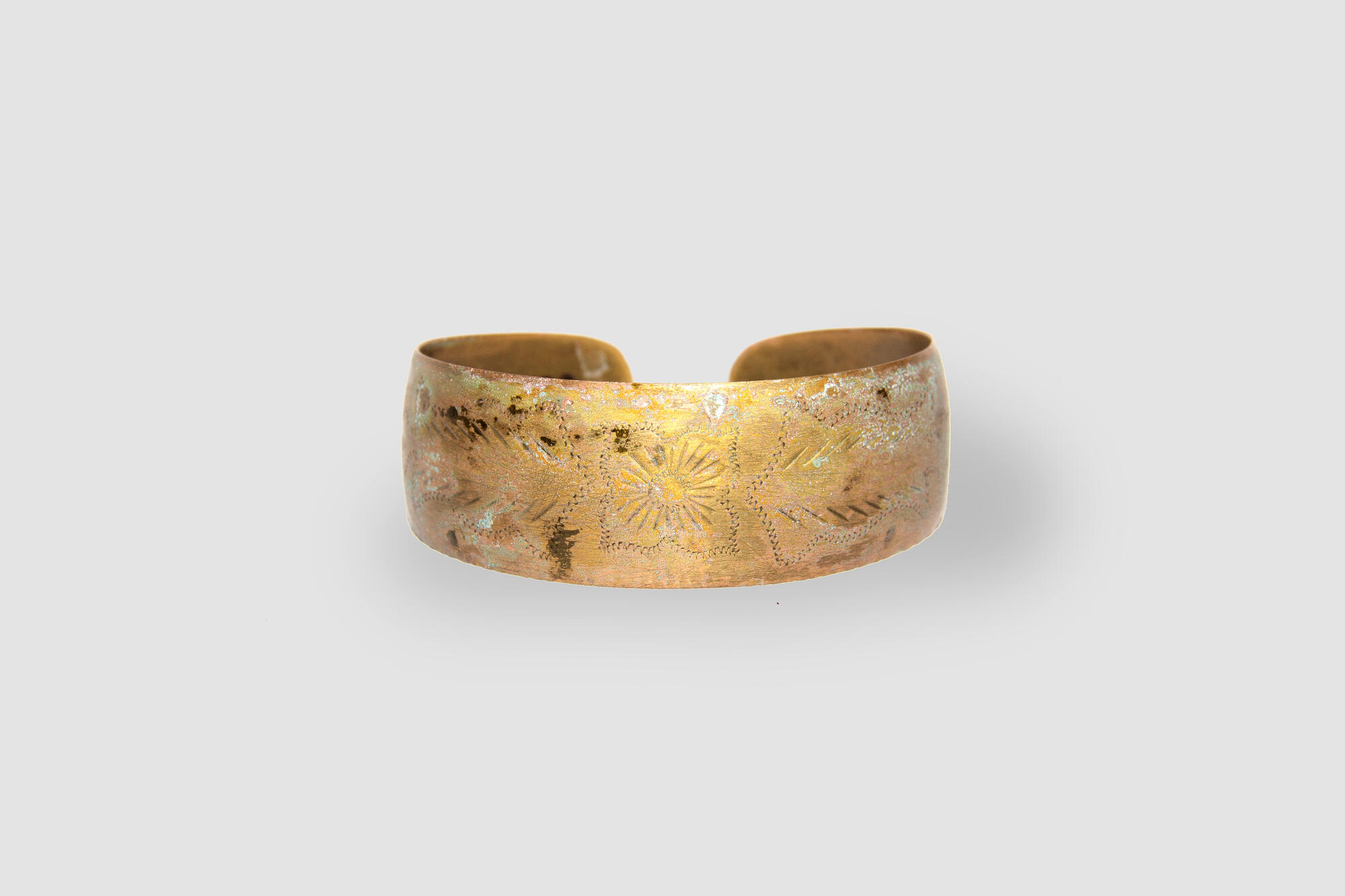
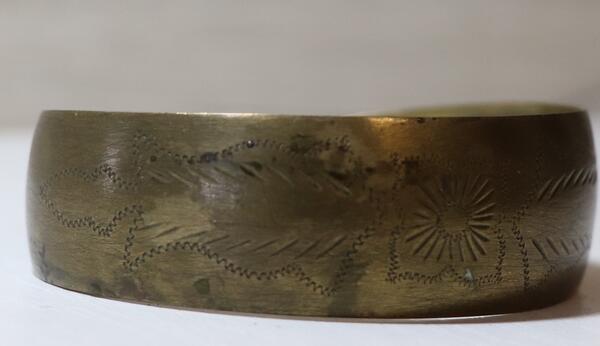
Among the exhibits of the museum is an oval-shaped bracelet made of copper. On the outer side, a national floral pattern is embossed around the circumference. Such a bracelet was considered an object with magical properties. As a rule, people wore them without taking off.
The cost of jewelry depended on the woman’s social status. Women and girls from wealthy families wore bracelets, high-grade silver (rarely gold) rings, silver rings with precious stones, expensive earrings, and pearl necklaces. Women and girls from poor families had bracelets and rings made of copper, and they wore cheap earrings and beads (multi-colored glass balls of various sizes strung on a thread) as neck jewelry. Silver jewelry also served as amulets.
The word “bracelet” means “wrist” in French. The bracelet did not immediately become a piece of jewelry. Initially, the bracelets that we now wear on the wrists were worn on the ankles. They served as a talisman to protect against evil spirits. Bracelets were made from animal fangs, bones, or other scrap materials. The time for bracelets as jewelry came when people learned to make metal. Copper and bronze bracelets came into use, later they were made from silver and gold and decorated with precious stones. Since that time, bracelets have become not only an amulet, but also a sign of wealth. They signified class and wealth. The most common item was a solid bracelet made from a single plate.
Tatar artisans made bracelets mainly from silver and other simple metals. Bracelets were decorated with carvings, engravings, applied filigree and granulation, inlaid with precious and semi-precious stones. Floral patterns were the most common ones.
Among the exhibits of the museum is an oval-shaped bracelet made of copper. On the outer side, a national floral pattern is embossed around the circumference. Such a bracelet was considered an object with magical properties. As a rule, people wore them without taking off.