

The first leather boots discovered by archaeologists are dated to the 4th millennium BC. These shoes were traditionally made of leather and fixed on the foot with laces or belts to protect against cold, damp and mud.
In the Middle Ages there were boots for men and women, but women’s boots were not seen under long skirts, so there was fashion for men’s models only. The situation changed in the 17th century, when the skirts got shorter. Now expensive and beautiful materials were used for women’s shoes: silk, brocade, velvet, and gems for decoration. From the 18th century lacquered shoes became common and so did shoes of different colors. At that time boots were not made straight any more, but were clearly cut for right and left feet. It is believed that the first footwear samples individually adjusted to each foot were found in ancient Greece, but only in the 18th century did it become a compulsory rule.
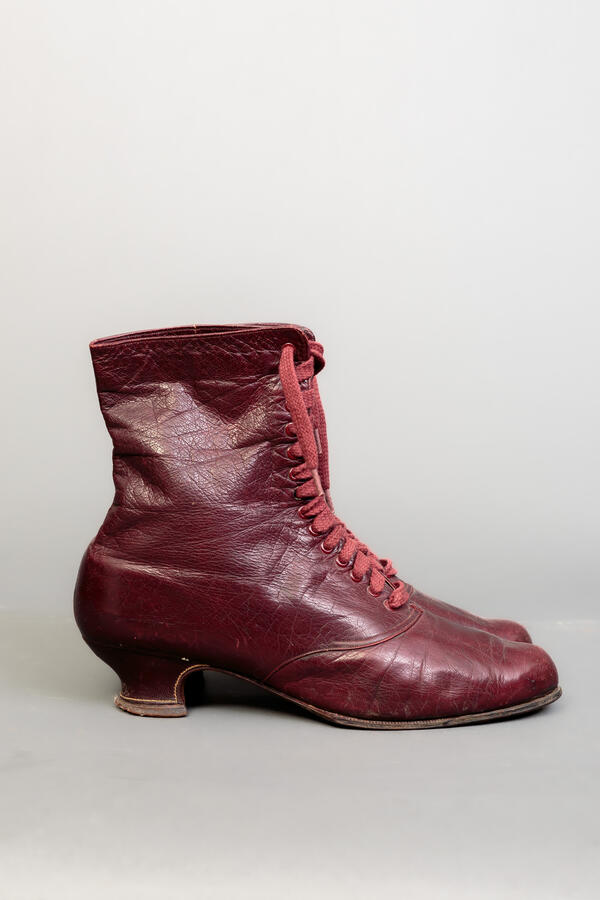
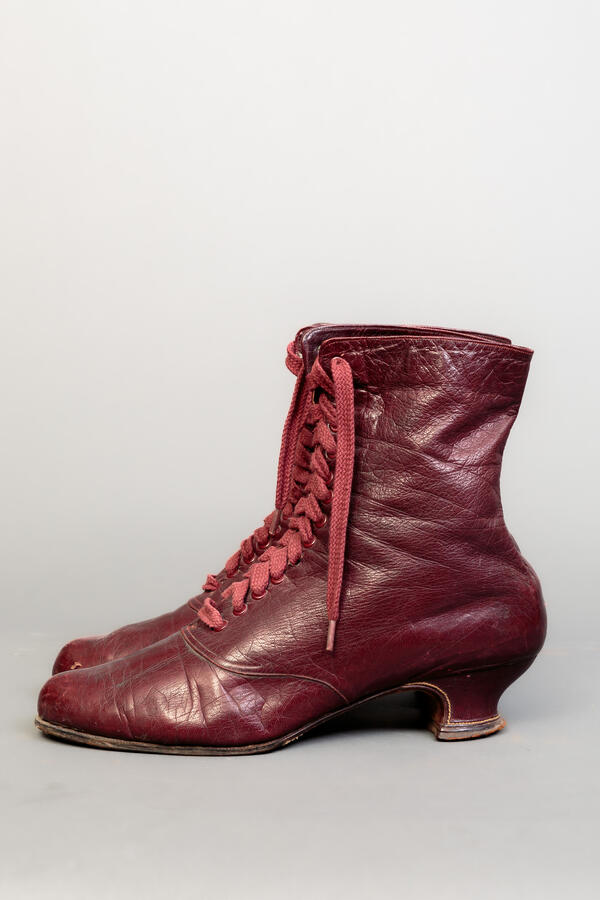
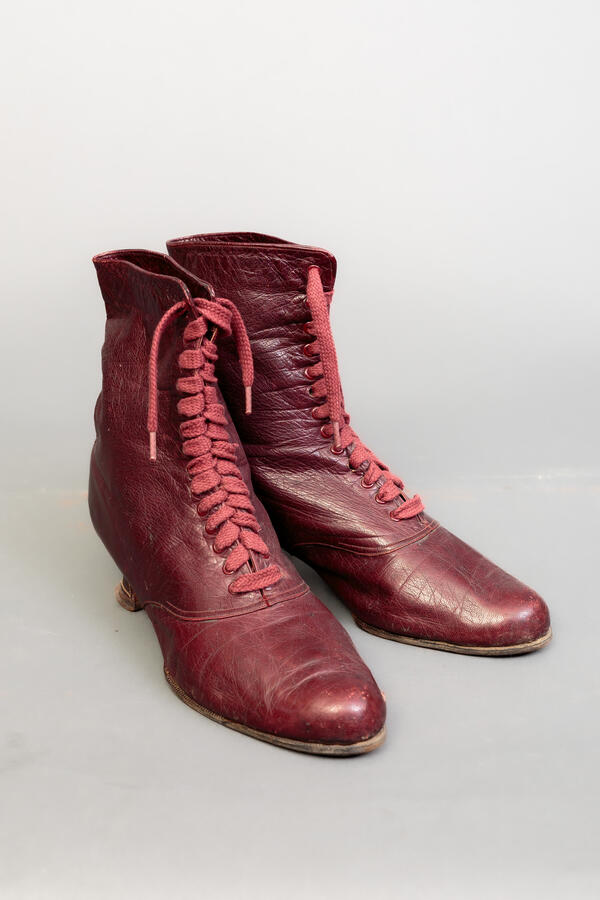
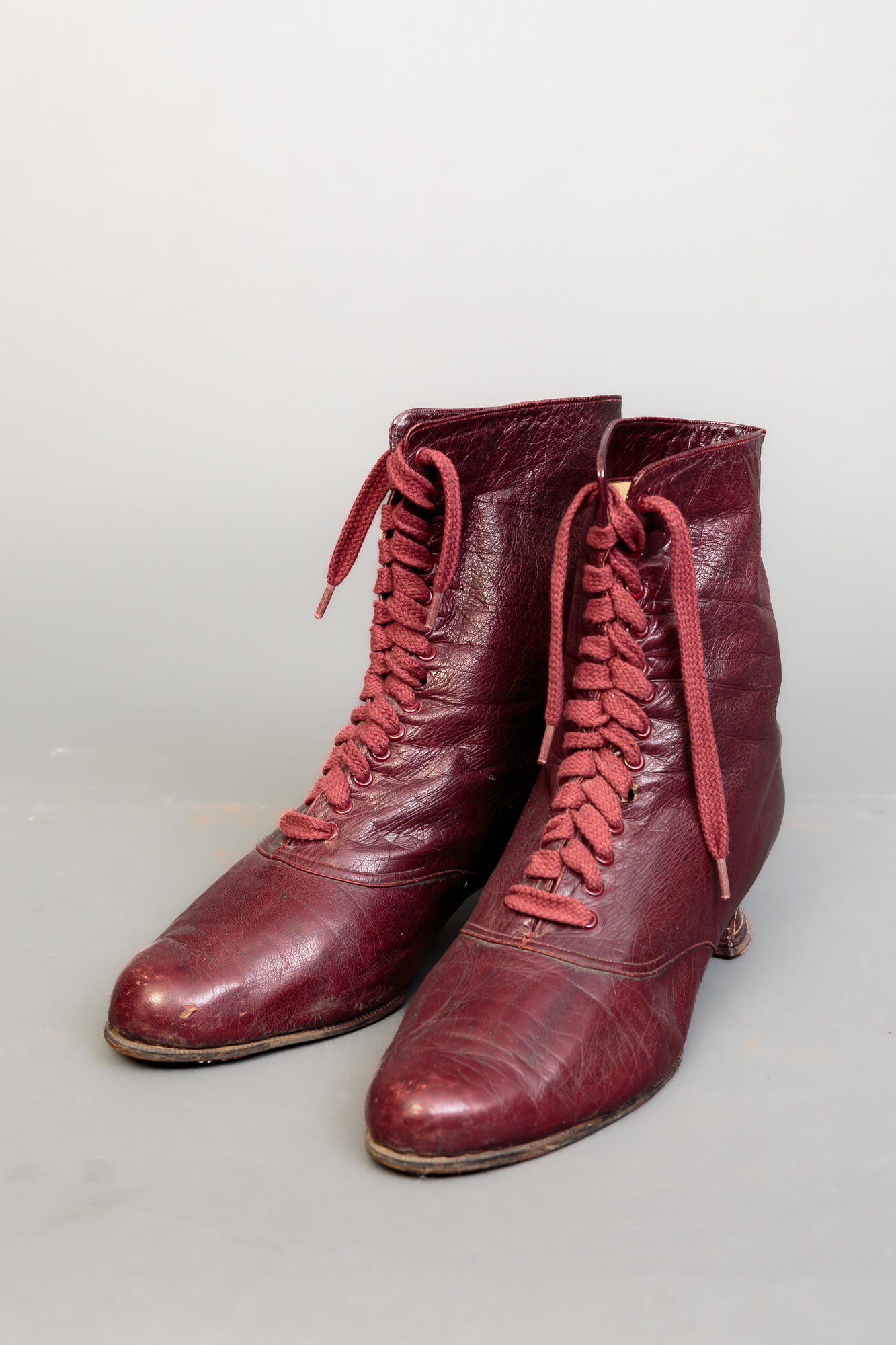
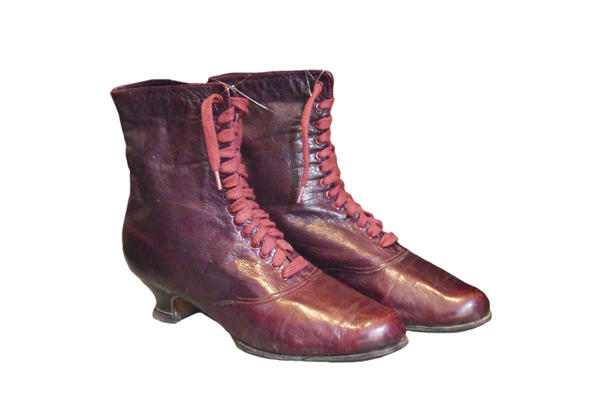
The Russian word “botinki” (boots) came from the French “bottine” in the 19th century; at first it applied only to women’s or children’s footwear, which looked more like boots or half-boots. Soon, however, boots in their modern form appeared, both for women and men. They were made of expensive and chic materials: velvet, gabardine, brocade, silk, wool, suede and leather in different colors and shades. Calfskin was especially valued because it was strong, soft, non-brittle and crack-resistant. Laces as well as hooks and buttons were used as fasteners. The shoes were especially elegant when they were fastened with a zipper. Finished shoes were soaked in water with extracts of bark of various trees. Acidic solution made the leather softer and dyed it in different colors. Willow bark made the leather grey, oak bark gave it a reddish tint (such shoes were called russet leather), and walnut shells turned it brown. To obtain the black color, bearberry or the bark of alder and black poplar were used. The birch and mimosa leaves were used to produce a yellow color.
The 20th century saw an important invention for fashionistas: the insole that fits the shape of the foot. The insole reduced significantly the strain on the spine when walking.
In the Middle Ages there were boots for men and women, but women’s boots were not seen under long skirts, so there was fashion for men’s models only. The situation changed in the 17th century, when the skirts got shorter. Now expensive and beautiful materials were used for women’s shoes: silk, brocade, velvet, and gems for decoration. From the 18th century lacquered shoes became common and so did shoes of different colors. At that time boots were not made straight any more, but were clearly cut for right and left feet. It is believed that the first footwear samples individually adjusted to each foot were found in ancient Greece, but only in the 18th century did it become a compulsory rule.
The Russian word “botinki” (boots) came from the French “bottine” in the 19th century; at first it applied only to women’s or children’s footwear, which looked more like boots or half-boots. Soon, however, boots in their modern form appeared, both for women and men. They were made of expensive and chic materials: velvet, gabardine, brocade, silk, wool, suede and leather in different colors and shades. Calfskin was especially valued because it was strong, soft, non-brittle and crack-resistant. Laces as well as hooks and buttons were used as fasteners. The shoes were especially elegant when they were fastened with a zipper. Finished shoes were soaked in water with extracts of bark of various trees. Acidic solution made the leather softer and dyed it in different colors. Willow bark made the leather grey, oak bark gave it a reddish tint (such shoes were called russet leather), and walnut shells turned it brown. To obtain the black color, bearberry or the bark of alder and black poplar were used. The birch and mimosa leaves were used to produce a yellow color.
The 20th century saw an important invention for fashionistas: the insole that fits the shape of the foot. The insole reduced significantly the strain on the spine when walking.