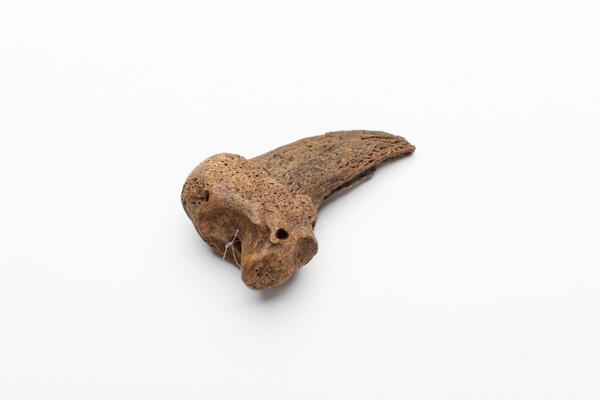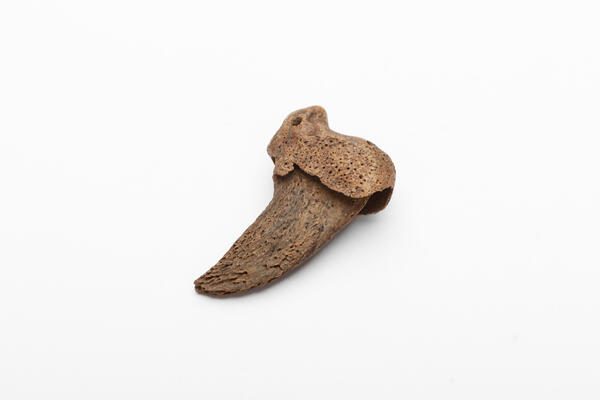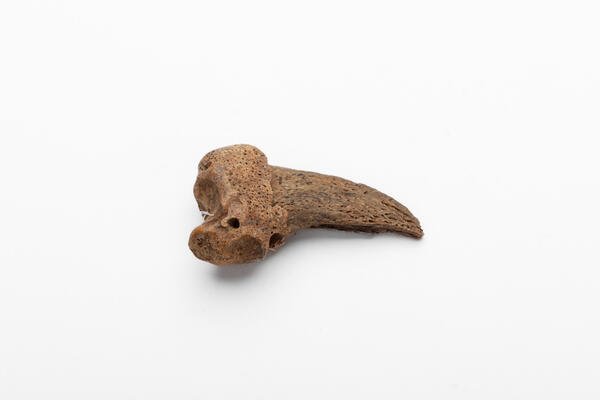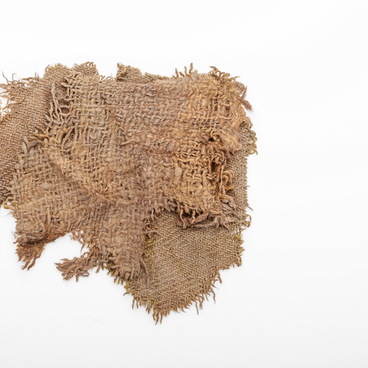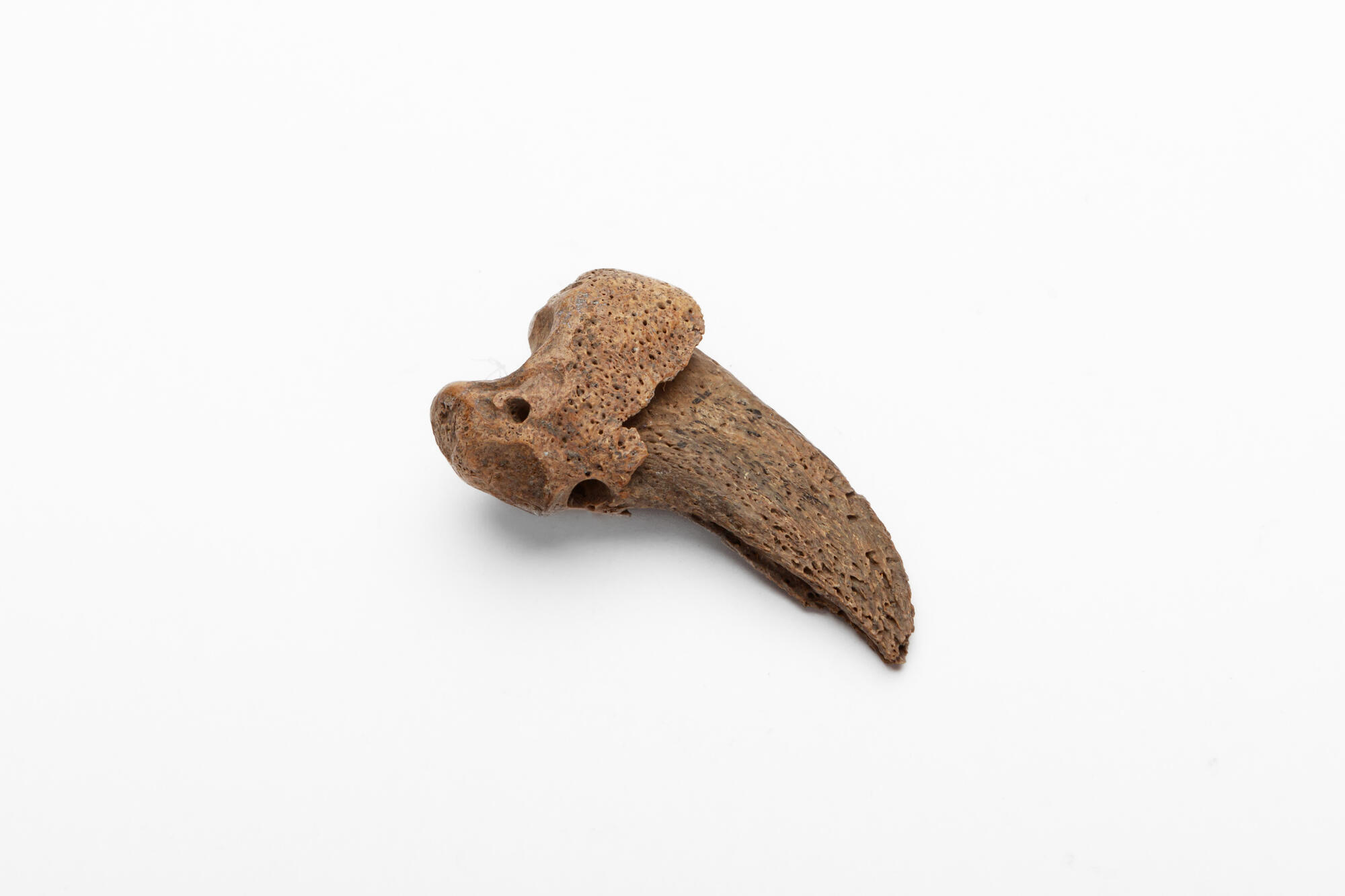


An amulet is a traditional decorative and sacred attribute in many cultures. It was worn as a magical talisman to protect against illness and danger and to bring good luck. Usually, an amulet was worn around the neck to protect against witchcraft and the evil eye, but it could also be sewn onto clothes, hung from a belt, or put in pockets, bags, carts and cradles.
Belief in the power of amulets is associated with magic, paganism and fetishism. Back in the olden days, people believed that every object, animal and phenomenon of the world around us had its own spirit that could be of use to them. Therefore, amulets often came in the form of bones, teeth, paws, tails and heads of animals which had the qualities people wanted to acquire.
Amulets are among the earliest examples of decorative and applied art; they were made by shamans and priests. Before the advent of writing, it was the form, material and method of processing of talismans that conveyed the worldview of the people. Animal teeth, claws and jaws were used as amulets and talismans and symbolized bravery, courage and readiness for battle. They believed that the strength and dexterity of large predators passed to the owners of the amulets.
Amulets made from bear claws are often found in the Chepetsk archaeological sites in Northern Udmurtia. Claw pendants were worn around the neck on a leather cord; they were also accompanied by bronze beads on top.
Many cultures considered the bear to be a sacred animal, the owner of the forest, a human ancestor and sometimes even a werewolf. The bear instilled fear and respect, and every warrior and hunter wanted to have its strength. A bear claw was a powerful talisman in shamanic rituals and totem magic. The peoples of the Prikamye region believed that bear claws deterred evil spirits and were used by the Slavs for protection against the evil eye.
According to one of the Udmurt legends, the supreme deity Inmar lowered the first two people from heaven to earth. One of them stopped listening to their creator, so Inmar turned him into a bear. For a long time afterward, the man and the bear lived side by side in harmony, like brothers. Slavic mythology also has a story where a man was turned into a bear as a punishment for disobedience.