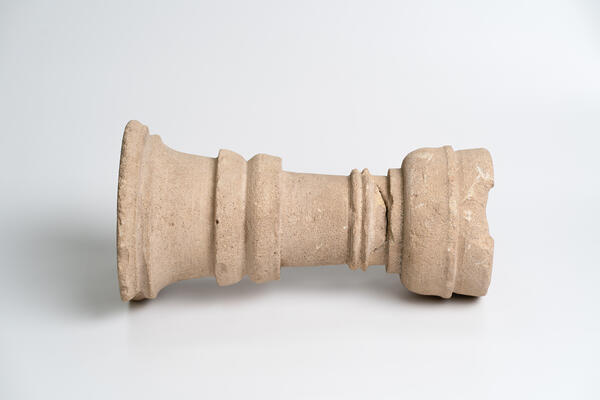
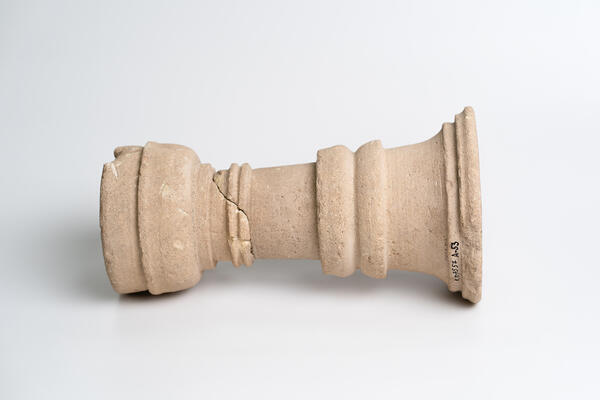
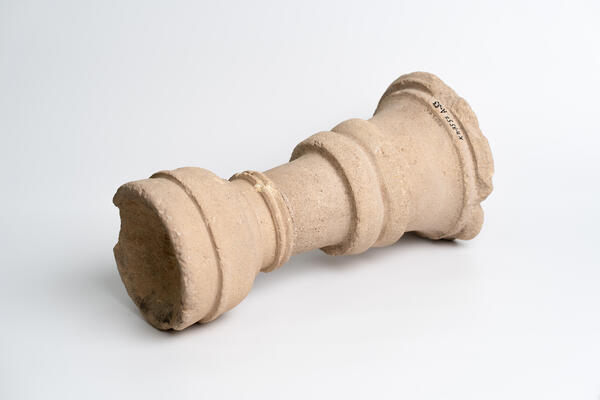
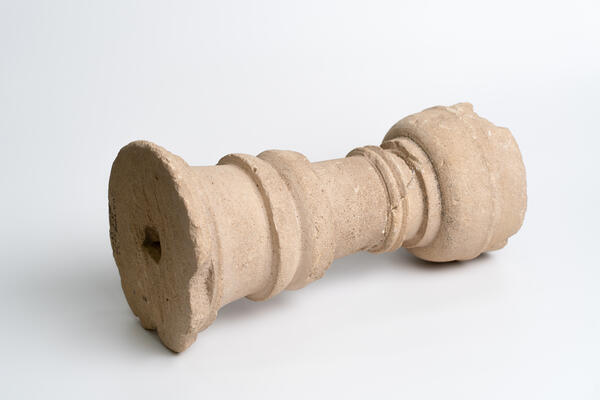
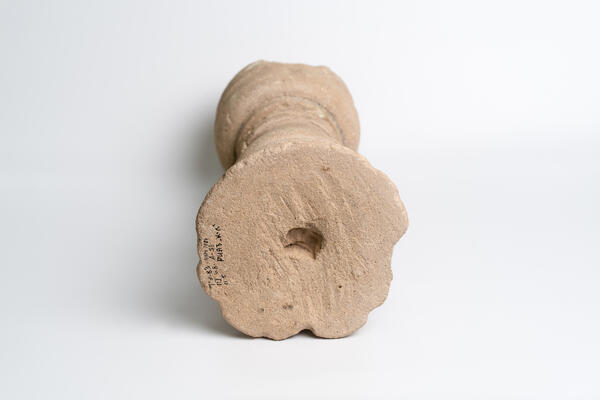
Altars were used for sacrifices and were placed in sacred places. Since almost any religious ceremony in Ancient Greece involved sacrifice, altars were an essential element of religious practice and appeared before temples. The altar was often located outside of a temple, usually in front of it. Altars could also be found near houses, usually in the courtyard where household members performed religious activities and sacrifices.
Usually, altars were made of stone. The simplest altar was just a single stone slab. Most altars were rectangular or square, while some were round or bowl-shaped. The Greeks viewed the gods as powerful beings. Humans strove to please the gods, sought their protection, and tried to avoid their anger. This was the purpose of religious practices. The ancient Greeks believed that gods could not eat food but inhaled the smoke from burned meat and incense smoke.
Sacrifices were thought of as gifts to the gods. In exchange for such offerings, the gods were expected to fulfill worshippers’ requests. Bloodless sacrifices included vegetables, fruits, and various cakes and bread loaves for specific gods. Blood sacrifices usually involved killing animals. The main species used were sheep, pigs, and bulls. There were also special rooms for offerings and sacred objects.
Blood sacrifices took place at a special site in front of the temple. Before
the ceremony, the priests would put on white robes and wash their hands in salt
water. A part of the animal was burned on the altar, another part was given to
the priests, and the rest was eaten at a feast after the religious service.
After the sacrifice, the priests said a prayer to the gods that was repeated by
all participants in the ceremony. The Greeks had not only sacrificial altars at
home but also statues of patron deities. The residents of the Tarkhankut
Peninsula venerated Demeter, the goddess of fertility of the earth, and
Hercules, a demigod.