

The technology of recording images, otherwise known as photography, was invented in the first half of the 19th century. The first images, or daguerreotypes, consisted of silver amalgam. Unlike the negative, the daguerreotype was a unique image that could not be copied. However, the photograph did not immediately become available to everyone. Throughout the 19th century, taking and printing photographs remained an expensive hobby, even for large publishing houses of periodicals.
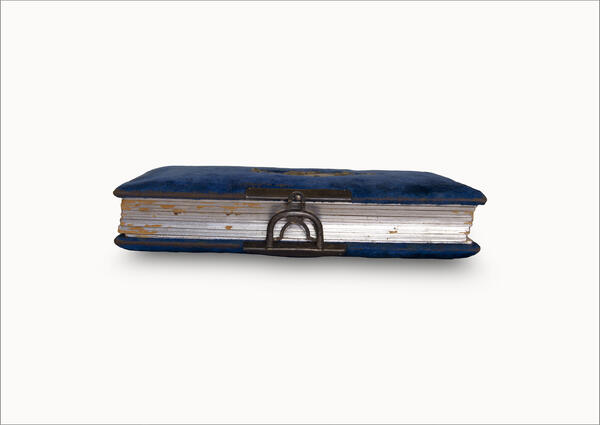
In the middle of the century, portrait photo studios appeared, ready to capture the most important events in a family’s life, such as the birth of a child, a wedding, or a posthumous photo of a deceased relative. Gradually, photo printing technology improved and became cheaper. People could afford photos not only of close family members, but also of nephews, cousins, great aunts, friends and colleagues. The photographs brought together those who lived far apart and could not see each other often. With the increasing number of photographs, the problem of storing and presenting them appeared. So a special book — the photo album — was introduced. Their design and material differed from contemporary photo albums, but they share the same function.
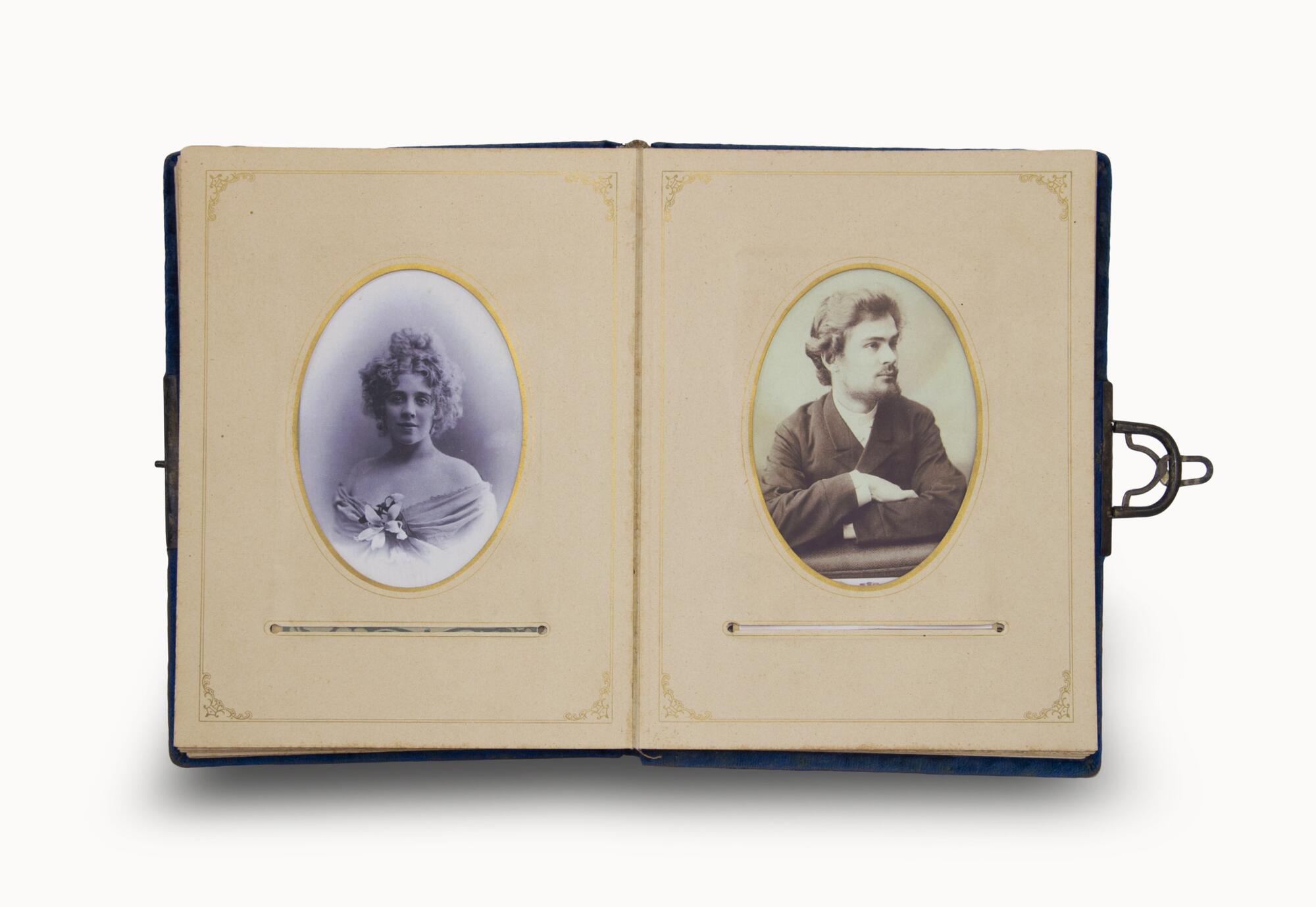
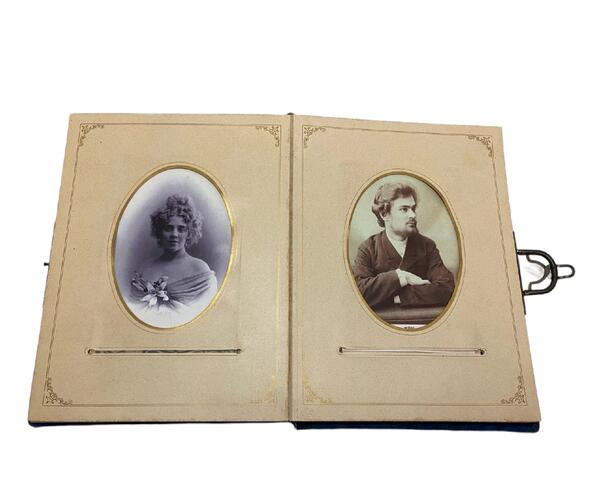
Like today, the 19th-century albums had paper sleeves to hold photo cards. At that time, photos were pasted on a passe-partout, which was at least 3 mm thick, and needed thick pages. Some albums had places for inscriptions, decorated with additional drawings and paintings. As a rule, the inscriptions were made by guests, who wrote their wishes to the hosts. These messages could be either short texts or poems. In addition to ceremonial portraits, family albums also contained small-format photographs. On the pages of the album, there were photographs of family members, as well as relatives, including distant ones. The main functions of family albums are preserving family memory, creating a sense of belonging to the family, and serving as a harmonious interior decoration of the 19th and early 20th centuries.
In the middle of the century, portrait photo studios appeared, ready to capture the most important events in a family’s life, such as the birth of a child, a wedding, or a posthumous photo of a deceased relative. Gradually, photo printing technology improved and became cheaper. People could afford photos not only of close family members, but also of nephews, cousins, great aunts, friends and colleagues. The photographs brought together those who lived far apart and could not see each other often. With the increasing number of photographs, the problem of storing and presenting them appeared. So a special book — the photo album — was introduced. Their design and material differed from contemporary photo albums, but they share the same function.
Like today, the 19th-century albums had paper sleeves to hold photo cards. At that time, photos were pasted on a passe-partout, which was at least 3 mm thick, and needed thick pages. Some albums had places for inscriptions, decorated with additional drawings and paintings. As a rule, the inscriptions were made by guests, who wrote their wishes to the hosts. These messages could be either short texts or poems. In addition to ceremonial portraits, family albums also contained small-format photographs. On the pages of the album, there were photographs of family members, as well as relatives, including distant ones. The main functions of family albums are preserving family memory, creating a sense of belonging to the family, and serving as a harmonious interior decoration of the 19th and early 20th centuries.