In 1553, Pedro Cieza de Leon’s book dedicated to his visit to South America and called “The Chronicle of Peru” was published in Spain. The Spanish traveler and historian described potatoes (papas) as a kind of food “like truffles, after boiling they become as soft inside as boiled chestnuts; they have neither a shell nor a pit, only what truffles have, because they are formed underground, just like truffles.”
Peruvians ate dried papas or froze them and pressed to dehydrate. The results of this process (called “chuno” in the local dialect) were used to obtain starch or prepare a kind of canned food.
At the end of the 16th century, potatoes were brought from Spain to Great Britain, Germany, France, and Belgium. In Italy, potatoes that looked like truffles became to be know as “tartufol”. Europeans did not enjoy the new vegetable at once. It was considered a decorative plant or coarse food that was more suitable for pigs. However, the medicinal properties of potatoes did cause interest among pharmacists.
Potato recipes were known as early as 1604. The cook of the Bishops of Liege, Lancelot de Casto, recommended boiling the tubers, stewing or frying them in ashes with the addition of wine and herbs. However, potatoes became widely popular in France and then in the rest of Europe only in the second half of the 18th century. They owed their promotion to the French agronomist Antoine-Auguste Parmentier.
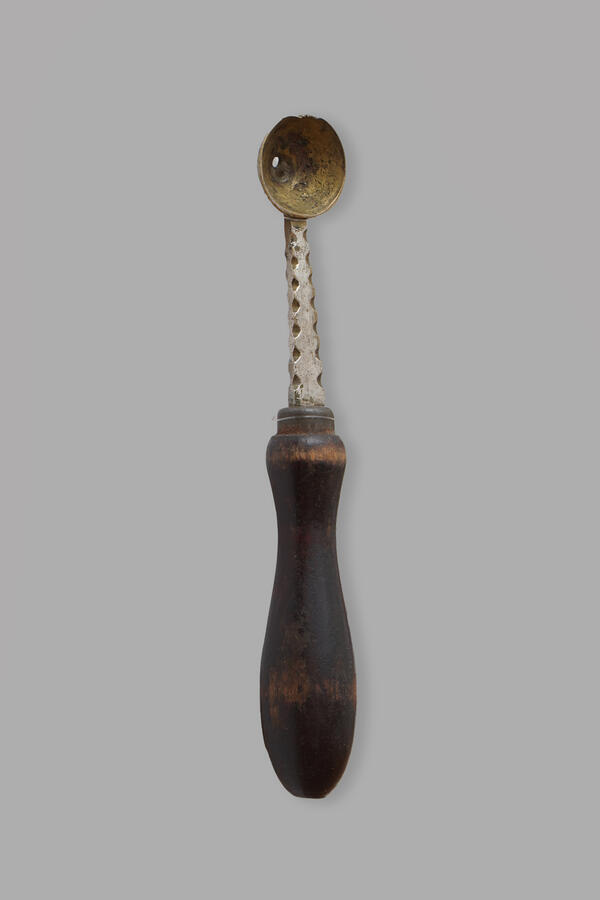
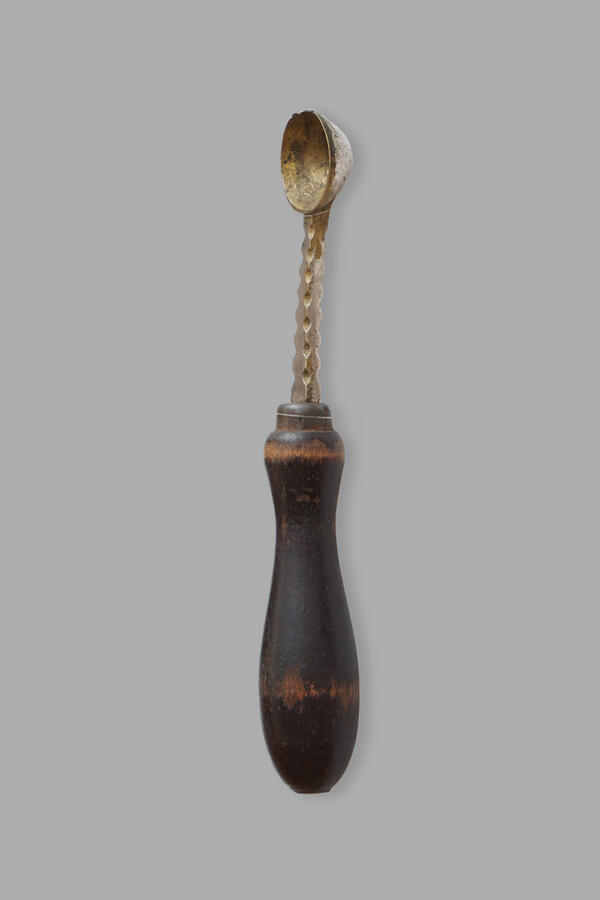
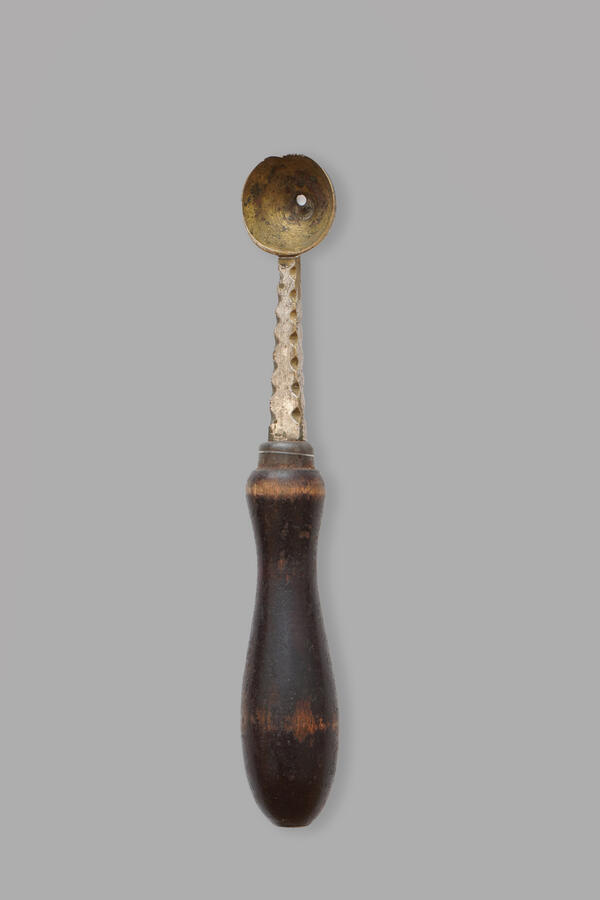
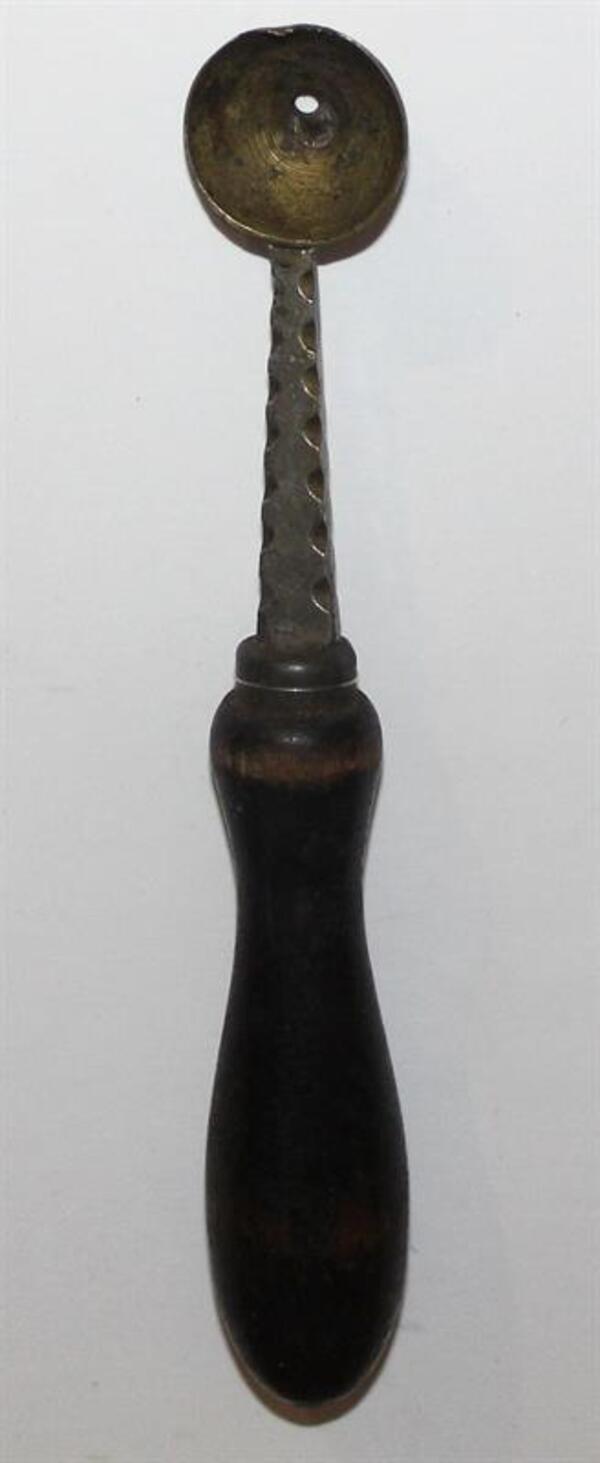
Potatos were first brought to Russia at the end of the 17th century during the reign of Peter I. At first, the new type of food was shunned, just like in Europe, but half a century later Russians began growing potatoes and serving them with sugar at court balls. By the late 18th century, potatoes were widely popular: people baked them, boiled, added to cereals and pies, soups and roasts, and used them to make thick fruit drinks called “kisel”. For high society dinners, potatoes were not only deliciously cooked, but also beautifully served. Special carving tools were used — they were called scoops. They were used to obtain the shape of a barrel (“angleise”), a pear (“duchesse”) or a large (“chateau”) or small (“noisette”) ball.
“Noisette” means a “hazelnut” in French. Potato balls that were called that name turned out exactly that size. They were fried until they turned golden brown and put on a dish to form a pyramid. In restaurants, the “noisette” scoop is still used today and is known under different names, they just call it differently: noisette spoons, carving knives or scoops.
Peruvians ate dried papas or froze them and pressed to dehydrate. The results of this process (called “chuno” in the local dialect) were used to obtain starch or prepare a kind of canned food.
At the end of the 16th century, potatoes were brought from Spain to Great Britain, Germany, France, and Belgium. In Italy, potatoes that looked like truffles became to be know as “tartufol”. Europeans did not enjoy the new vegetable at once. It was considered a decorative plant or coarse food that was more suitable for pigs. However, the medicinal properties of potatoes did cause interest among pharmacists.
Potato recipes were known as early as 1604. The cook of the Bishops of Liege, Lancelot de Casto, recommended boiling the tubers, stewing or frying them in ashes with the addition of wine and herbs. However, potatoes became widely popular in France and then in the rest of Europe only in the second half of the 18th century. They owed their promotion to the French agronomist Antoine-Auguste Parmentier.
Potatos were first brought to Russia at the end of the 17th century during the reign of Peter I. At first, the new type of food was shunned, just like in Europe, but half a century later Russians began growing potatoes and serving them with sugar at court balls. By the late 18th century, potatoes were widely popular: people baked them, boiled, added to cereals and pies, soups and roasts, and used them to make thick fruit drinks called “kisel”. For high society dinners, potatoes were not only deliciously cooked, but also beautifully served. Special carving tools were used — they were called scoops. They were used to obtain the shape of a barrel (“angleise”), a pear (“duchesse”) or a large (“chateau”) or small (“noisette”) ball.
“Noisette” means a “hazelnut” in French. Potato balls that were called that name turned out exactly that size. They were fried until they turned golden brown and put on a dish to form a pyramid. In restaurants, the “noisette” scoop is still used today and is known under different names, they just call it differently: noisette spoons, carving knives or scoops.