The largest animals from the Mustelidae family that can be found in the Yamal region are the wolverine and the otter. Most otters live in the area up to the latitude of the Arctic Circle and spends part of its life underwater.
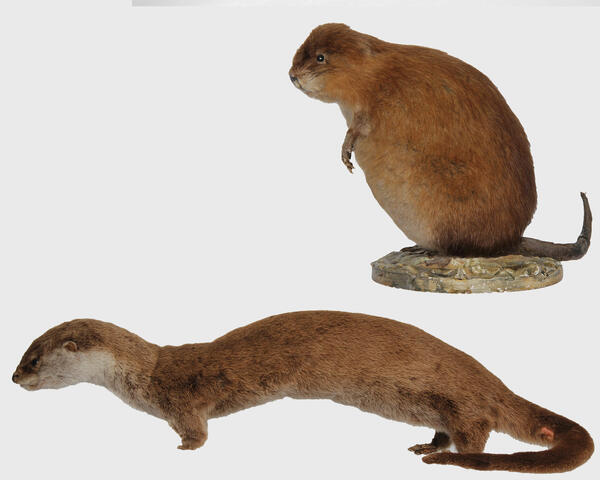
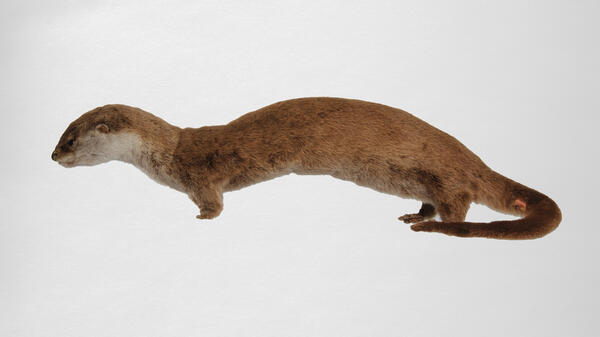
The otter is a dexterous fishing predator the size of a small dog. Its body length can vary from 55 to 95 centimeters, its tail is from 26 to 55 centimeters, and its weight is about 6 to 10 kilograms. It has a long, flat body and short, webbed feet. The fur color ranges from dark brown on top to light silver below. The guard hair is coarse, and the underfur is very thick and delicate — such fur does not get wet and protects the animal’s body from the cold well when it swims in icy water.
The otter lives in forest rivers, less often in lakes. It chooses places rich in fish and crayfish, where many small rodents live along the banks. Preference is given to rivers with pools and rapids that do not freeze in winter, which have the banks washed out by water and heavily littered with fallen tree trunks and branches, where there are many safe shelters and convenient places for burrowing. The otter also dens in caves, and sometimes just builds something like a nest in the thickets. Often the entrance to the animal’s shelter is under water.
Usually, a small section of the river with a length of two to six kilometers is enough for an otter to live in summer; it goes no further than 100 meters deep into the forest. In winter, if the fish stock becomes smaller and the holes freeze, the otter has to wander. Sometimes it crosses high watersheds: going down a steep slope, the otter presses its paws and rolls down right on its belly, leaving a trail in the form of a gutter. On ice and snow, the otter can walk up to 15–20 kilometers per day.
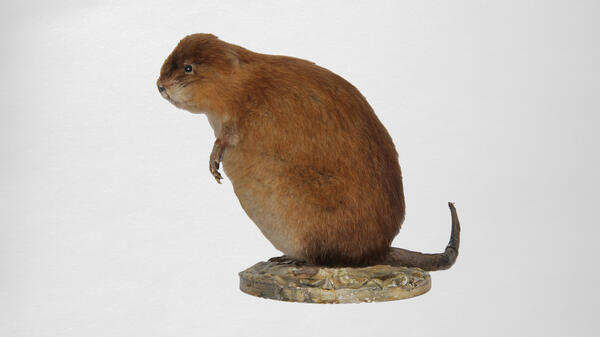
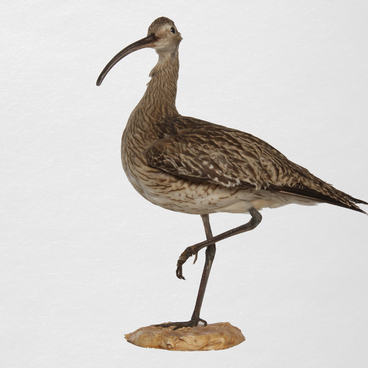
The otter feeds mainly on fish: carp, pike, and roach. In summer it catches water voles and other rodents, in some places it hunts waders and ducks. In winter, it eats frogs, caddisfly larvae.
Otters make a lot of sounds and are very sociable. They yap, hum and squeal, communicating with each other, chirping with pleasure during the game, calling their relatives with a squeak and shouting loudly during a fight.
Mating games take place mainly in March–April, after which the mating season begins. Pregnancy occurs with a latency period — a temporary delay in the development of a fertilized egg. It is highly dependent on local environmental conditions and climate, in particular, sudden changes in temperature, lack of food and other factors. In some individuals, the latency period can last up to 270 days. But the gestation period for otters is stable — about 63 days. Therefore, offspring can be born even in winter. The chances of surviving for such belated offspring are few.
But, as a rule, young otters are born from May to June. There are usually two cubs in a litter, but not more than four. Cubs begin to see clearly about 35 days after birth. Sexual maturity occurs in the second or third year of life.
The otter is a dexterous fishing predator the size of a small dog. Its body length can vary from 55 to 95 centimeters, its tail is from 26 to 55 centimeters, and its weight is about 6 to 10 kilograms. It has a long, flat body and short, webbed feet. The fur color ranges from dark brown on top to light silver below. The guard hair is coarse, and the underfur is very thick and delicate — such fur does not get wet and protects the animal’s body from the cold well when it swims in icy water.
The otter lives in forest rivers, less often in lakes. It chooses places rich in fish and crayfish, where many small rodents live along the banks. Preference is given to rivers with pools and rapids that do not freeze in winter, which have the banks washed out by water and heavily littered with fallen tree trunks and branches, where there are many safe shelters and convenient places for burrowing. The otter also dens in caves, and sometimes just builds something like a nest in the thickets. Often the entrance to the animal’s shelter is under water.
Usually, a small section of the river with a length of two to six kilometers is enough for an otter to live in summer; it goes no further than 100 meters deep into the forest. In winter, if the fish stock becomes smaller and the holes freeze, the otter has to wander. Sometimes it crosses high watersheds: going down a steep slope, the otter presses its paws and rolls down right on its belly, leaving a trail in the form of a gutter. On ice and snow, the otter can walk up to 15–20 kilometers per day.
The otter feeds mainly on fish: carp, pike, and roach. In summer it catches water voles and other rodents, in some places it hunts waders and ducks. In winter, it eats frogs, caddisfly larvae.
Otters make a lot of sounds and are very sociable. They yap, hum and squeal, communicating with each other, chirping with pleasure during the game, calling their relatives with a squeak and shouting loudly during a fight.
Mating games take place mainly in March–April, after which the mating season begins. Pregnancy occurs with a latency period — a temporary delay in the development of a fertilized egg. It is highly dependent on local environmental conditions and climate, in particular, sudden changes in temperature, lack of food and other factors. In some individuals, the latency period can last up to 270 days. But the gestation period for otters is stable — about 63 days. Therefore, offspring can be born even in winter. The chances of surviving for such belated offspring are few.
But, as a rule, young otters are born from May to June. There are usually two cubs in a litter, but not more than four. Cubs begin to see clearly about 35 days after birth. Sexual maturity occurs in the second or third year of life.