

The military oath is a solemn oath that military men take at the beginning of their military service. The document has existed since antiquity in most nations of the world. Depending on the region, the text had different content, but the main idea remained the same: soldiers promised to defend the country in any situation.
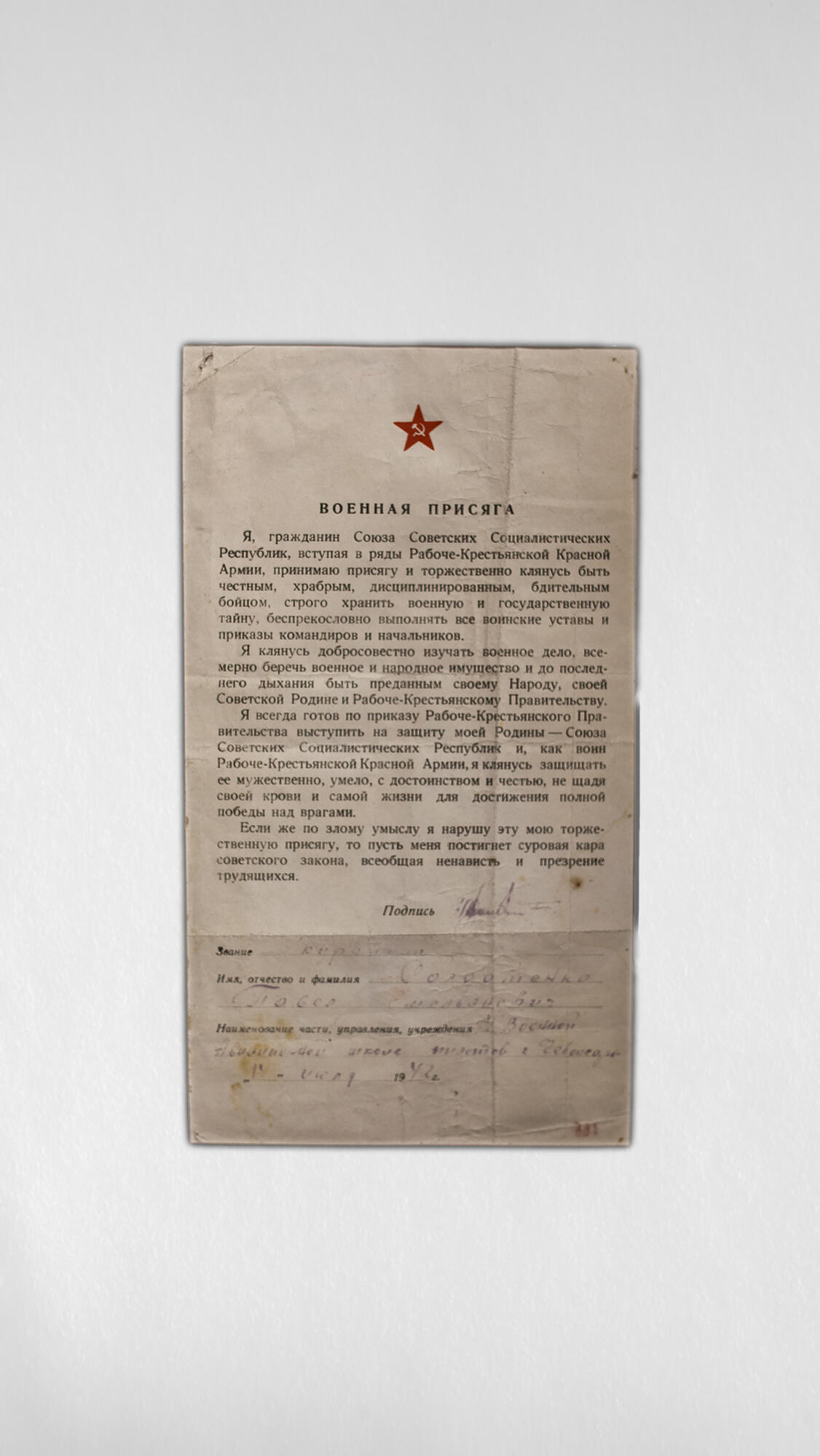
The text of oath, which cadet Pavel Soldatenko took in 1942 when he studied at the aviation school in Cheboksary, is housed in the museum.
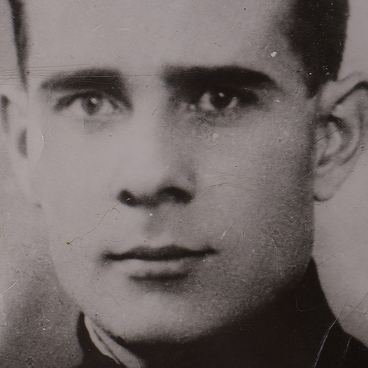
Soldatenko was born on June 15, 1923, in Anzhero-Sudzhensk, in a family of miners. After school he started to study at the aircraft pilot club, but due to illness his training had to be interrupted.
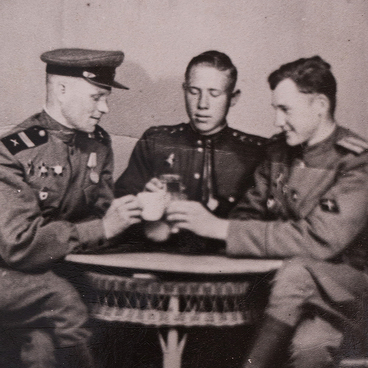
In March 1941, Pavel Soldatenko enrolled at flight school of the 75th training squadron. When he graduated, he was immediately sent to the front, to the 46th Reserve Aviation Regiment. From February 1943, he flew in the 384th Aviation Bomber Regiment and participated in the battles at the Orlovsko-Kurskaya Bulge, and then, helped to eliminate German groups in the Korsun-Shevchenko operation in Ukraine.
Soldatenko made a total of 79 sorties during combat operations: 72 of them were combat missions and 7 were special assignments. During the last flight, on February 16, 1944, his plane was shot down by German troops.
The text of oath, which cadet Pavel Soldatenko took in 1942 when he studied at the aviation school in Cheboksary, is housed in the museum.
Soldatenko was born on June 15, 1923, in Anzhero-Sudzhensk, in a family of miners. After school he started to study at the aircraft pilot club, but due to illness his training had to be interrupted.
In March 1941, Pavel Soldatenko enrolled at flight school of the 75th training squadron. When he graduated, he was immediately sent to the front, to the 46th Reserve Aviation Regiment. From February 1943, he flew in the 384th Aviation Bomber Regiment and participated in the battles at the Orlovsko-Kurskaya Bulge, and then, helped to eliminate German groups in the Korsun-Shevchenko operation in Ukraine.
Soldatenko made a total of 79 sorties during combat operations: 72 of them were combat missions and 7 were special assignments. During the last flight, on February 16, 1944, his plane was shot down by German troops.
Despite the fact that the fighter aircraft was on fire and the pilot was seriously wounded in the arm and leg, he made it to the front line and landed in the location of the front line of our troops — near the Soviet trenches. During the landing Soldatenko badly burned his face. Tankers and infantrymen immediately came to the pilot’s rescue — they helped him to get out before the plane exploded. After this wound Soldatenko spent four years in hospitals and underwent dozens of operations.
In 1948 Soldatenko was transferred to reserve as a disabled person of group 2. In his flight card, there are records of eight commendations from the Supreme Commander-in-Chief: ‘For the successful liquidation of German troops in the capture of Oryol; in the fighting for the liberation of Chernivtsi; for excellent military operations in the fighting for the liberation of Tarnopol.’ The pilot received a medal ‘For Valor’ for his military service at the front.
In 1948 Soldatenko was transferred to reserve as a disabled person of group 2. In his flight card, there are records of eight commendations from the Supreme Commander-in-Chief: ‘For the successful liquidation of German troops in the capture of Oryol; in the fighting for the liberation of Chernivtsi; for excellent military operations in the fighting for the liberation of Tarnopol.’ The pilot received a medal ‘For Valor’ for his military service at the front.