The letter is believed to have been written by Stepan Yasyrev, a merchant from Nizhny Novgorod, who actually designed the tombstone for St. Seraphim’s grave alongside his brother Peter in the 1840s.
In 1890, it was decided to construct a chapel over the grave. Two years later, the construction was finished. The glazed metal chapel with openwork décor was adjoined to the Dormition Cathedral of the Sarov Monastery. It had a cast-iron base floor. The walls and the dome of the chapel were made of multi-colored glass.
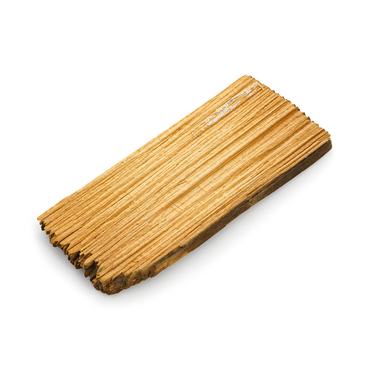
The chapel served as a place of worship for pilgrims until the relics were moved to the Dormition Cathedral in 1903. After this, construction work was done on the chapel. The floor was removed, and an underground room was created. A new crypt, larger than before, was built using small bricks. Inside, an oak trough was placed where St. Seraphim previously rested.
A small chamber, lined with smooth artificial marble, was built underground in front of the crypt. A staircase, with metal balusters, descended from the south entrance of the chapel into this chamber. There were two double-leaf glass doors on the eastern façade of the chapel. Above the crypt, on the first floor, an earlier cast-iron tombstone was installed. Next to it, there was the tombstone of Mark the Silent, just like before the construction of the underground chamber.
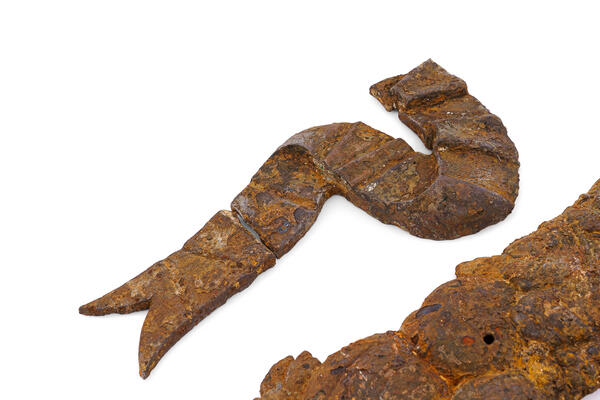
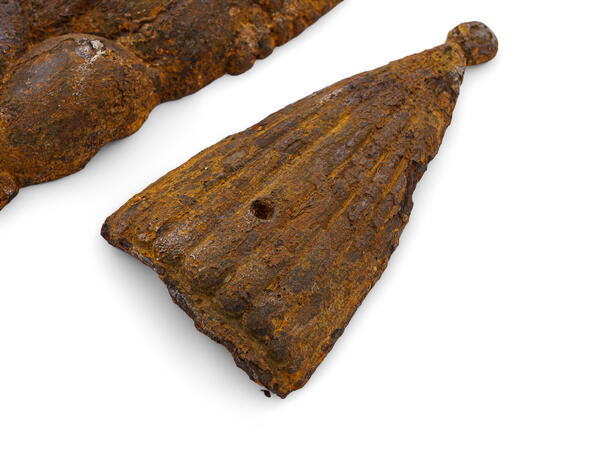
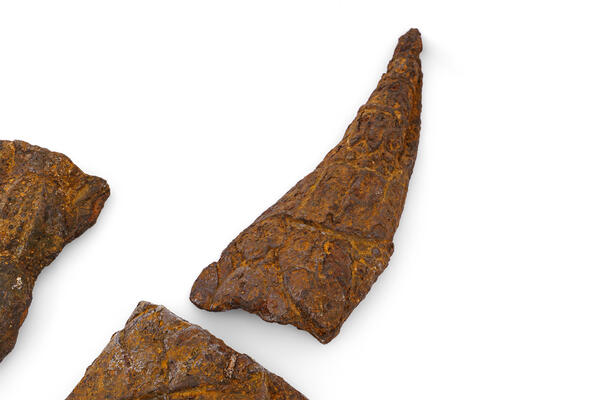
The Dormition Cathedral of the
Sarov Monastery was demolished in 1951. In 2004, excavations were carried out
on the monastery square. They revealed that the chapel had been located five
meters to the south and east of the previously suggested site. Fragments of
metal chapel parts, elements from the fasteners of metal structures, pieces of
tombstone decorations, and a fragment of thick blue glass were discovered above
the foundations in the pile left after the disassembly of the cathedral.