

Departure from life
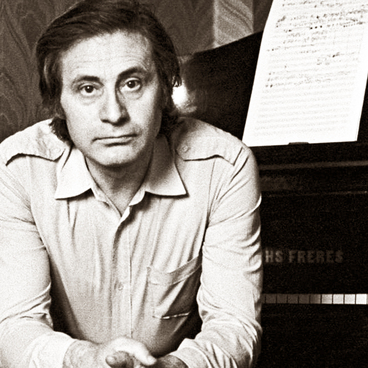
There was a certain magical pattern in the fate of Alfred Harrievich related to the middle of the decades he lived in. Those were the seven milestones of his life: the mid-1930s — his birth, the mid-1940s — moving from the province to the major metropolitan centers (first Vienna, then Moscow), in the mid-1950s he became aware of his calling as a composer, in the mid-1960s Schnittke acquired artistic independence, in the mid-1970s — his creative maturity, in the mid-1980s he predicted the music style of the turn of the XXI century, and, finally, in the mid-1990s — he slowly passed away.
While mortal, Alfred Schnittke had the courage and was lucky to use the magic of art to push the boundaries of everyday life. The limits of his historical memory stretched over the entire previous millennium, and on the eve of the next era, he managed to outline the contours of the modern musical style, dominant today. That was how he managed to create the works of lasting value and gained immortality.
It was A. Schnittke who said the weighty word in the world music of the end of the XX century. In its initial character, the global art space created by the composer roots in the locus called Russian Germans and the Germans of the Volga region. And if that peculiar national enclave presented the world with just Alfred Schnittke alone, it would be more than enough to justify the existence of the historical phenomenon.
A few years before his death, A. Schnittke’s health deteriorated severely: the composer suffered three strokes. However, he retained the vigorous creative activity until the last days.
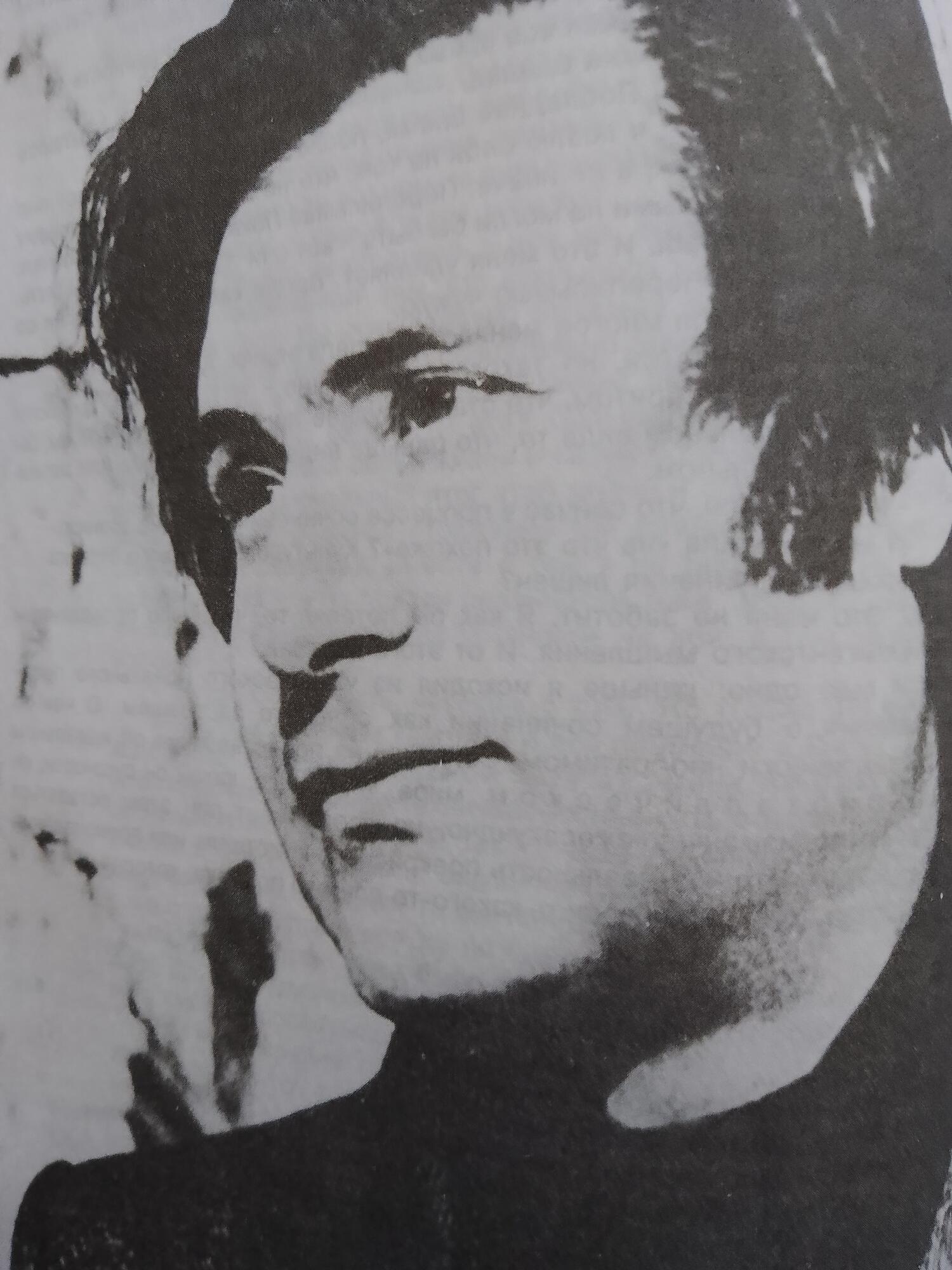
The great composer died on August 3, 1998.
“What would have become of us if the music left us?” — Russian poet Alexander Blok recalled Gogol’s words in one of his articles. The answer is unthinkable, as well as words: “Schnittke died…”