Polystylistics and Work for Cinema
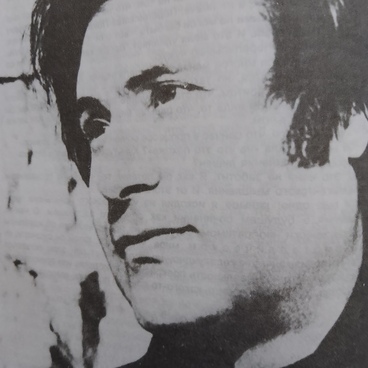
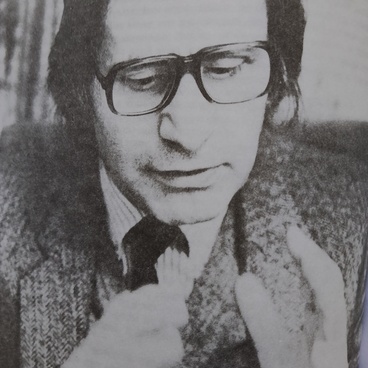
It is known that polystylistics as a concept was introduced into the music lexicon by A. G. Schnittke in his report to the International Music Congress in 1971, establishing and defining the appropriate aesthetics and technology. He was that composer who had the good fortune to become the most important representative of the above art trend in the second half of the 20th century.
Schnittke’s music is a special kind of phenomenon. In his works we can feel a bulk of what makes up the time’s ambiance; they fuse and reflect various problems perceived by the artist from everywhere. There were no “locals” or “alien”, old or new for Schnittke — just as those notions did not exist for Joyce, Einstein, Eliot or Stravinsky, who expanded our ideas of the united world and the universal nature of human culture.
Then, in 1968, there was the Second Violin Sonata — a work, in which for the first time the composer deliberately built an artistic concept based on the contrast of styles.
Real artistic practice inevitably requires the author, who addresses various genres, to be able to switch to almost any stylistic form. This is especially necessary for a musician working for the cinema. Even more remarkably, Schnittke, the author of music for sixty films, received the initial impetus for the polystylistic influences from cinema, which resulted in the maturity of his work.
Alfred Schnittke’s work became an important, most valuable milestone in the history of cinema. He smoothly introduced music into the film dramaturgy, recognizing the visual image and script priority in cinema. However, at the right moment, the composer used the mostexpressivemeans of musical influence, multiplying the visual-literaryeffectof the scene or highlighting the subtext of what was happening on the screen.