Tatars mostly wore leather, bast and felt shoes. Shoes and boots (ichigi) were made of finely designed soft morocco leather and tougher Russian leather (“yuft”). Sometimes shoemakers would use goatskin, which was dyed in almost all the colors of the rainbow. Leather shoes were widely used in the city and popular with the wealthy villagers and the clergy. Russian leather, chrome and morocco were used as material for knee-high boots made of soft leather with soft soles. In rural areas, bast shoes were worn for practical reasons. In winter, Tatars wore short and high felt boots.
For everyday use, Tatars used bast shoes and galoshes, which were worn over woven stockings. And the festive models of ichigi, made of multi-colored leather, were used for special occasions. Tatar women’s shoes for festive events were most often patterned and made in compliance with ancient traditions in the technique of leather mosaic. The traditions of artistic processing of leather include the more common technique of mosaic — “kun” and embossing. These methods lay the foundation for the craft and mass production of Tatar patterned leather footwear — boots (chitek, ichigi) and shoes. Shoes are created from patterned multi-colored pieces of morocco and Russian leather, which are sewn to each other in a unique technique of hand stitching. Sewing the pieces together becomes a decorative design.
Prosperous city dwellers also wore boot-shaped shoes made from leather and fabric (such as velvet and plush). The shoes would have a medium spool heel decorated with embroidery, ribbons and sequins. A distinctive feature of Tatar weekend shoes is that the front and back were cut separately and converged only in the middle of the side, forming a specific curve. Women used patterned shoes, similar to ichigi in their design that would often have a heel and a pointed, slightly raised toe box.
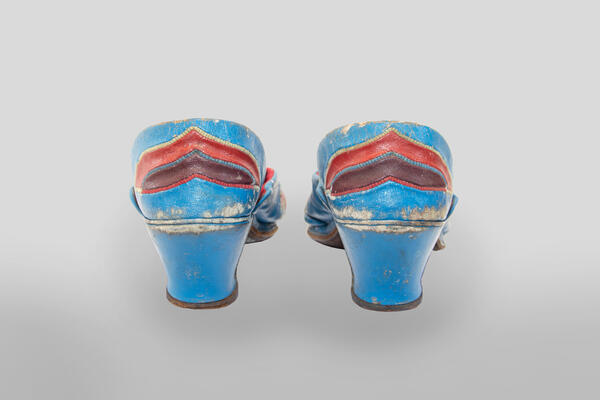
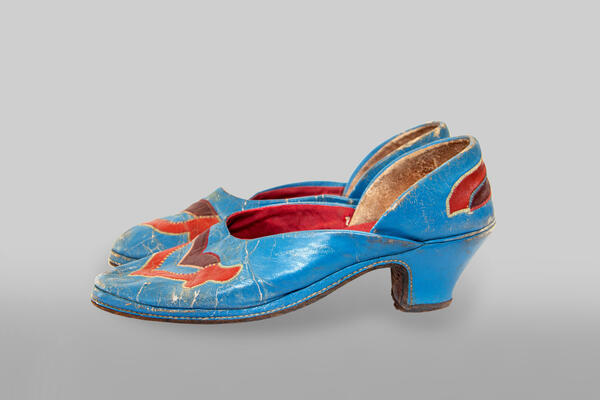
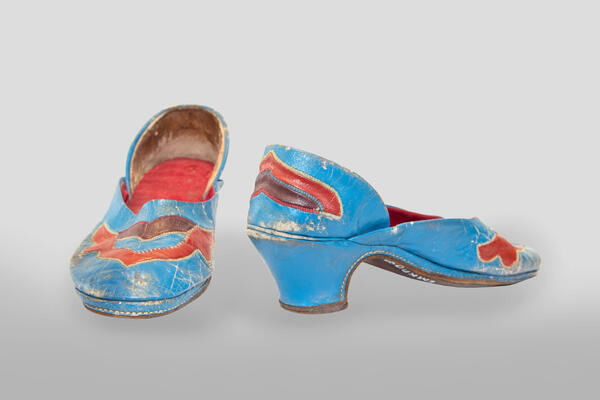
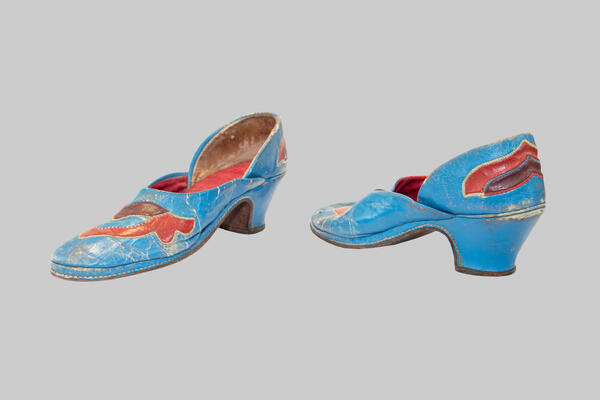
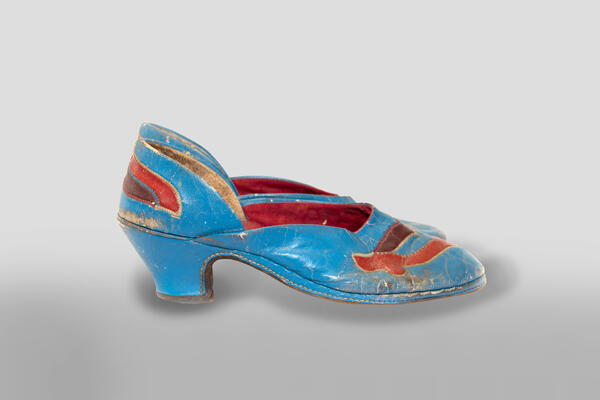
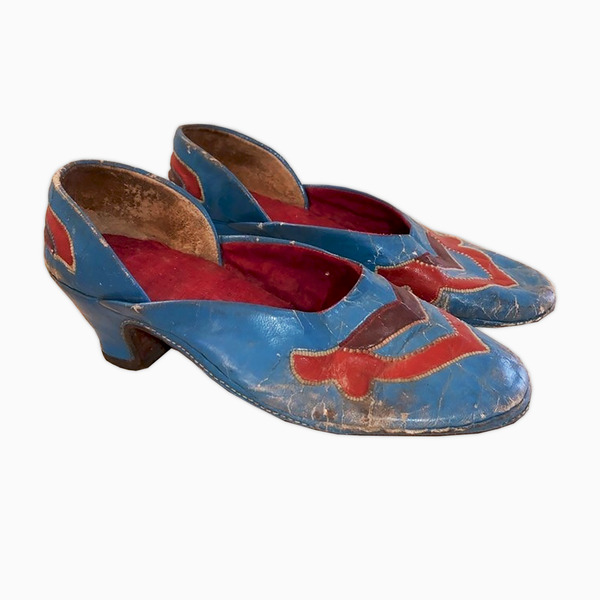
The museum exhibition includes blue leather shoes that belonged to a family from Tyumen. The toe boxes feature a traditional Tatar pattern made of red leather that echoes the color of the fabric lining. The onlays have the form of triangles near the shoe lift, and the heels have tips.
For everyday use, Tatars used bast shoes and galoshes, which were worn over woven stockings. And the festive models of ichigi, made of multi-colored leather, were used for special occasions. Tatar women’s shoes for festive events were most often patterned and made in compliance with ancient traditions in the technique of leather mosaic. The traditions of artistic processing of leather include the more common technique of mosaic — “kun” and embossing. These methods lay the foundation for the craft and mass production of Tatar patterned leather footwear — boots (chitek, ichigi) and shoes. Shoes are created from patterned multi-colored pieces of morocco and Russian leather, which are sewn to each other in a unique technique of hand stitching. Sewing the pieces together becomes a decorative design.
Prosperous city dwellers also wore boot-shaped shoes made from leather and fabric (such as velvet and plush). The shoes would have a medium spool heel decorated with embroidery, ribbons and sequins. A distinctive feature of Tatar weekend shoes is that the front and back were cut separately and converged only in the middle of the side, forming a specific curve. Women used patterned shoes, similar to ichigi in their design that would often have a heel and a pointed, slightly raised toe box.
The museum exhibition includes blue leather shoes that belonged to a family from Tyumen. The toe boxes feature a traditional Tatar pattern made of red leather that echoes the color of the fabric lining. The onlays have the form of triangles near the shoe lift, and the heels have tips.