

In 1937, the very first 24-seater ZIS bus began to move in Molotovsk (as Severodvinsk was then called) on the route Monastery — Polyarnaya Street — Monastyr. There were no official stops, the bus only stopped “on demand”. As soon as the wooden bridge to the Yagry island was built, the bus connected the center and the most remote area of the city of Molotovsk. The official date for the start of the bus service was November 13, 1938, as evidenced by an archive extract.
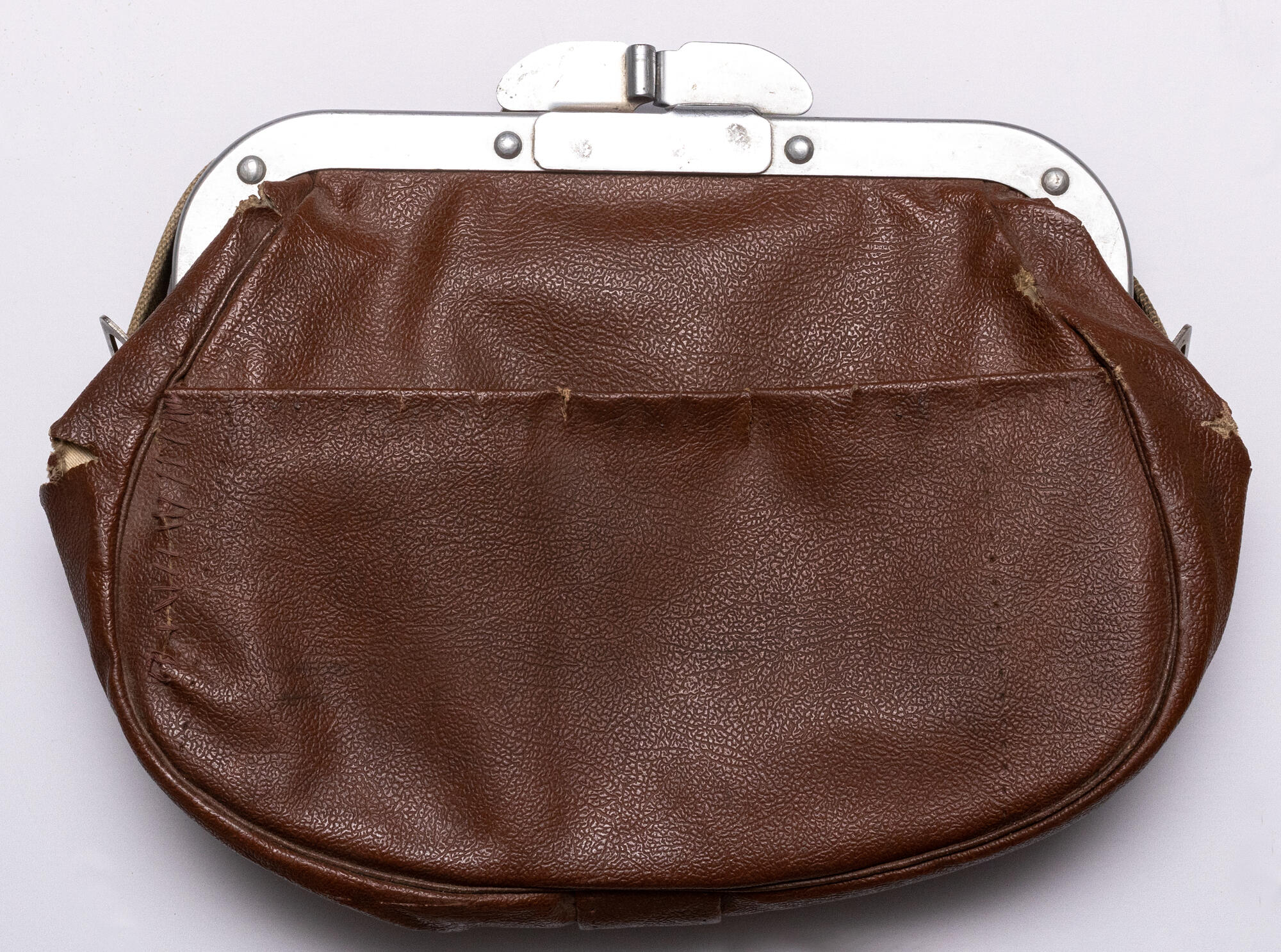
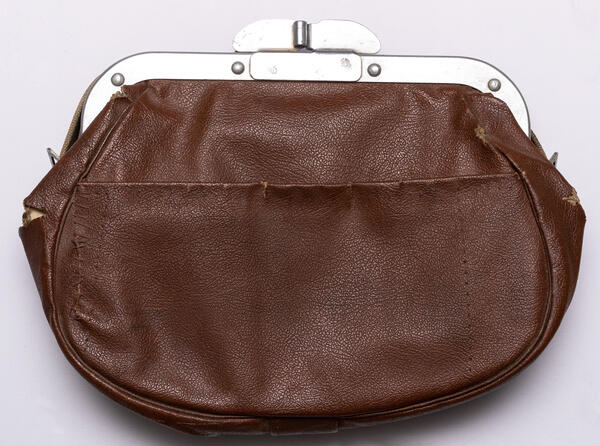
During the Great Patriotic War, the bus service was discontinued, and resumed only in 1946. Then the city received three new buses from the Gorky Automobile Plant, and the mechanics repaired one pre-war one. From the very beginning, the bus “crew” included a driver and a conductor. The conductor not only collected the fare from passengers, but also loudly announced stops, warned of closing the doors, and was responsible for ordering the passenger compartment. Conductors kept bus tickets and coins in special bags, which passengers used to pay for travel.
Already in 1961, a new ZIL-158 bus appeared in the Severodvinsk motorcade. This brand was radio-equipped and launched on the line without a conductor. The driver announced stops into the microphone, and passengers bought tickets for the passage at the “ticket offices”. The buses were equipped with transparent boxes with a slot, where you had to throw coins and then turn the handle to get a ticket. There was a mandatory announcement inside the bus: “The conscience of a passenger is the best controller.” However, some irresponsible citizens tried to throw a smaller coin instead of 5 kopecks and tear off the ticket.
In 1968, another innovation appeared on city routes: miniature books with tear-off subscription coupons. The book contains ten subscription coupons. Instead of a bargaining chip, each coupon made its way in a bus machine — a composter. The conductor accepted several season tickets as payment for travel on suburban lines. The price of one book was 60 kopecks, respectively, travel in the Severodvinsk city bus cost 6 kopecks. In 1972, there were 90 buses operating on twelve city lines, carrying three million passengers a month.
During the Great Patriotic War, the bus service was discontinued, and resumed only in 1946. Then the city received three new buses from the Gorky Automobile Plant, and the mechanics repaired one pre-war one. From the very beginning, the bus “crew” included a driver and a conductor. The conductor not only collected the fare from passengers, but also loudly announced stops, warned of closing the doors, and was responsible for ordering the passenger compartment. Conductors kept bus tickets and coins in special bags, which passengers used to pay for travel.
Already in 1961, a new ZIL-158 bus appeared in the Severodvinsk motorcade. This brand was radio-equipped and launched on the line without a conductor. The driver announced stops into the microphone, and passengers bought tickets for the passage at the “ticket offices”. The buses were equipped with transparent boxes with a slot, where you had to throw coins and then turn the handle to get a ticket. There was a mandatory announcement inside the bus: “The conscience of a passenger is the best controller.” However, some irresponsible citizens tried to throw a smaller coin instead of 5 kopecks and tear off the ticket.
In 1968, another innovation appeared on city routes: miniature books with tear-off subscription coupons. The book contains ten subscription coupons. Instead of a bargaining chip, each coupon made its way in a bus machine — a composter. The conductor accepted several season tickets as payment for travel on suburban lines. The price of one book was 60 kopecks, respectively, travel in the Severodvinsk city bus cost 6 kopecks. In 1972, there were 90 buses operating on twelve city lines, carrying three million passengers a month.