The fact that the quality of drinking water can be harmful or beneficial to health has been known since ancient times. The first filter systems were pits in the sand near a body of water. Seeping through the soil, the water was cleared of small particles and became transparent.
The “father of medicine” Hippocrates, who lived in Ancient Greece, paid great attention to the purity of drinking water. He recommended to boil water and filter it through a cloth bag before drinking. Later, this invention was called the “Hippocratic sleeve”.
In ancient Rome, water for drinking was filtered through the bark and tree needles. In the 18th century, special filters began to be used in Europe to purify water from mechanical impurities, and only much later people learned to deal with substances that were invisible to the eye. In the 19th century, water began to be chlorinated.
In Russia, clean water has long been taken from wells, where water passed through the thick sand. At the same time, the wells themselves were always kept clean. In addition to well water, people accumulated rainwater and meltwater.
One more cleaning technology was available only to the higher society due to its high cost. This method of drinking from silverware turned out to be unsafe. The water was purified, but silver ions accumulated in the human body and had a bad effect on health.
In the 19th-century Saint Petersburg, drinking water was taken from canals and rivers. In the time of Peter the Great, the water in the Neva was indeed so clean that pike, perch, bream, lampreys and even sturgeons were abundant. But in the middle of the 19th century, with a rapidly developing industry, its quality suffered greatly. It was then that special filtering devices entered the everyday life of wealthy people.
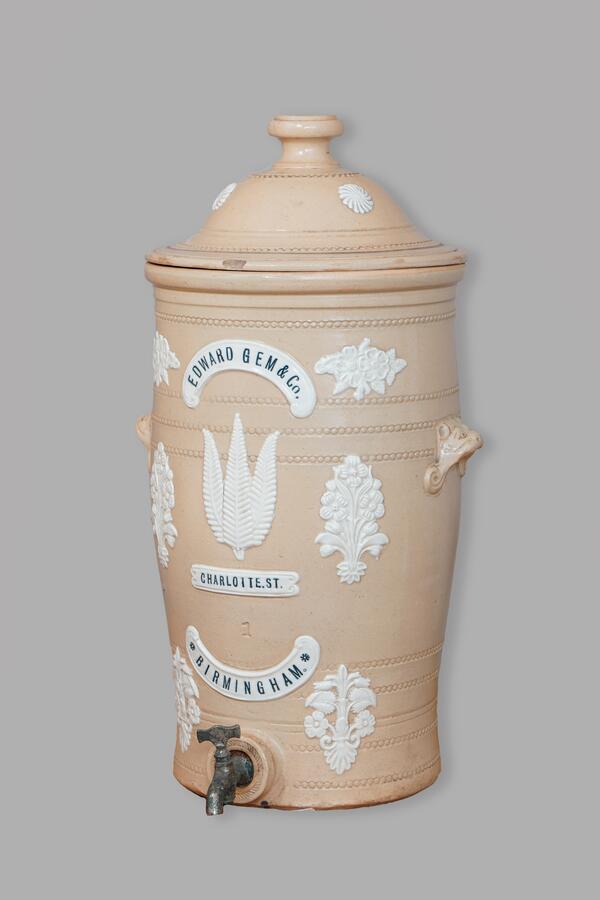
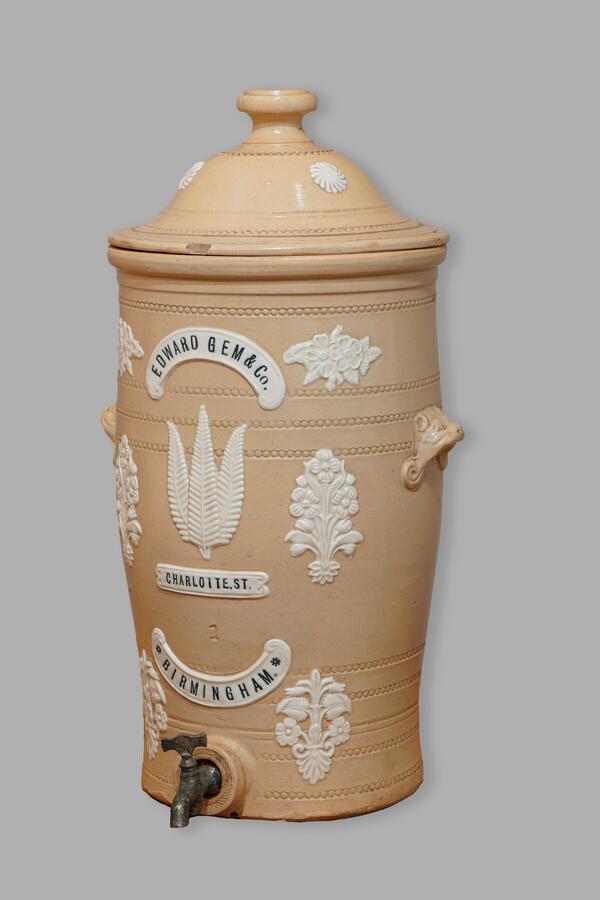
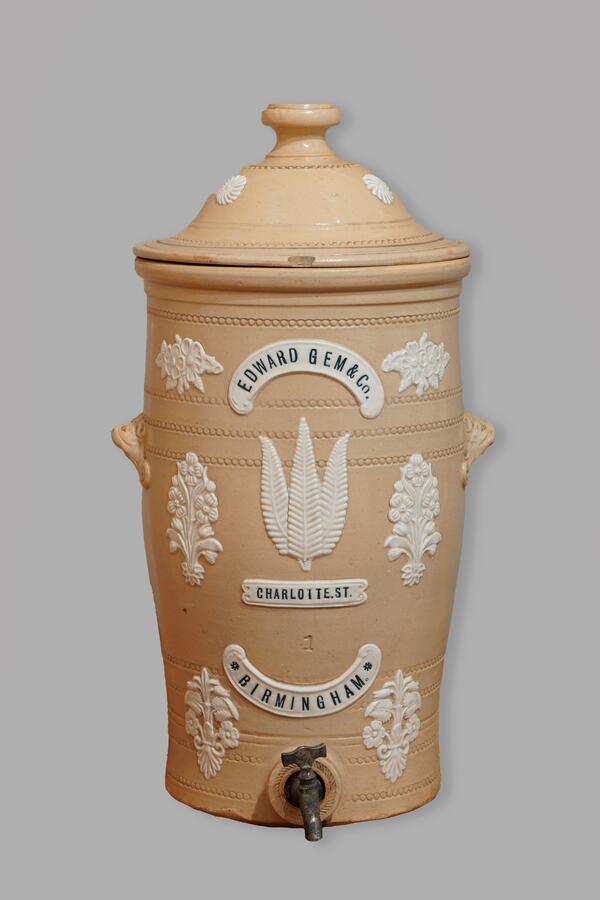
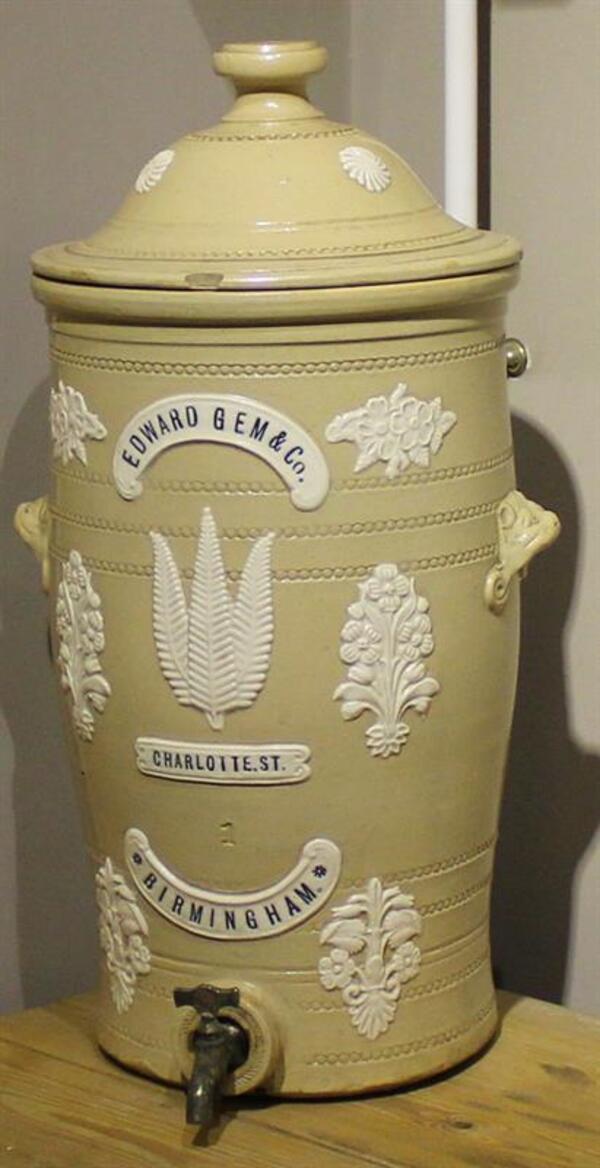
The filter on display was created by “Edward Gem & Co” in Great Britain. Its body is made of stone mass, and a cassette with coal and sand is installed in the middle. Water was poured from above, then the filter was closed with a lid. Water gradually seeped through the cassette and accumulated at the bottom, where is was already clean. It was poured using a tap located at the bottom of the filter.
The “father of medicine” Hippocrates, who lived in Ancient Greece, paid great attention to the purity of drinking water. He recommended to boil water and filter it through a cloth bag before drinking. Later, this invention was called the “Hippocratic sleeve”.
In ancient Rome, water for drinking was filtered through the bark and tree needles. In the 18th century, special filters began to be used in Europe to purify water from mechanical impurities, and only much later people learned to deal with substances that were invisible to the eye. In the 19th century, water began to be chlorinated.
In Russia, clean water has long been taken from wells, where water passed through the thick sand. At the same time, the wells themselves were always kept clean. In addition to well water, people accumulated rainwater and meltwater.
One more cleaning technology was available only to the higher society due to its high cost. This method of drinking from silverware turned out to be unsafe. The water was purified, but silver ions accumulated in the human body and had a bad effect on health.
In the 19th-century Saint Petersburg, drinking water was taken from canals and rivers. In the time of Peter the Great, the water in the Neva was indeed so clean that pike, perch, bream, lampreys and even sturgeons were abundant. But in the middle of the 19th century, with a rapidly developing industry, its quality suffered greatly. It was then that special filtering devices entered the everyday life of wealthy people.
The filter on display was created by “Edward Gem & Co” in Great Britain. Its body is made of stone mass, and a cassette with coal and sand is installed in the middle. Water was poured from above, then the filter was closed with a lid. Water gradually seeped through the cassette and accumulated at the bottom, where is was already clean. It was poured using a tap located at the bottom of the filter.