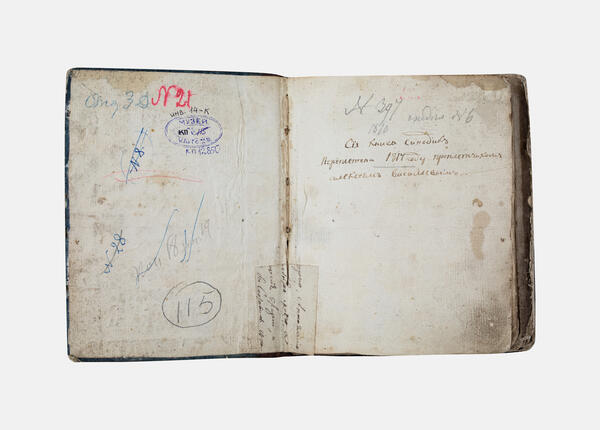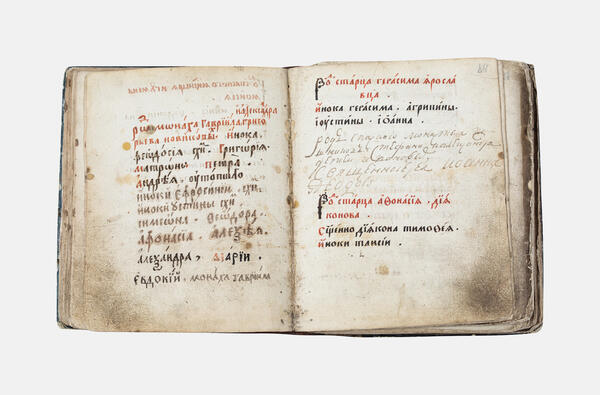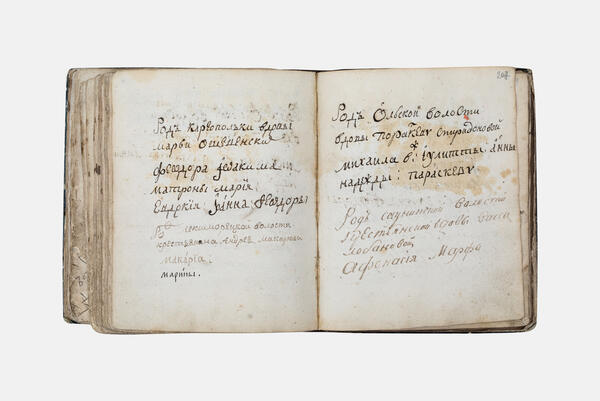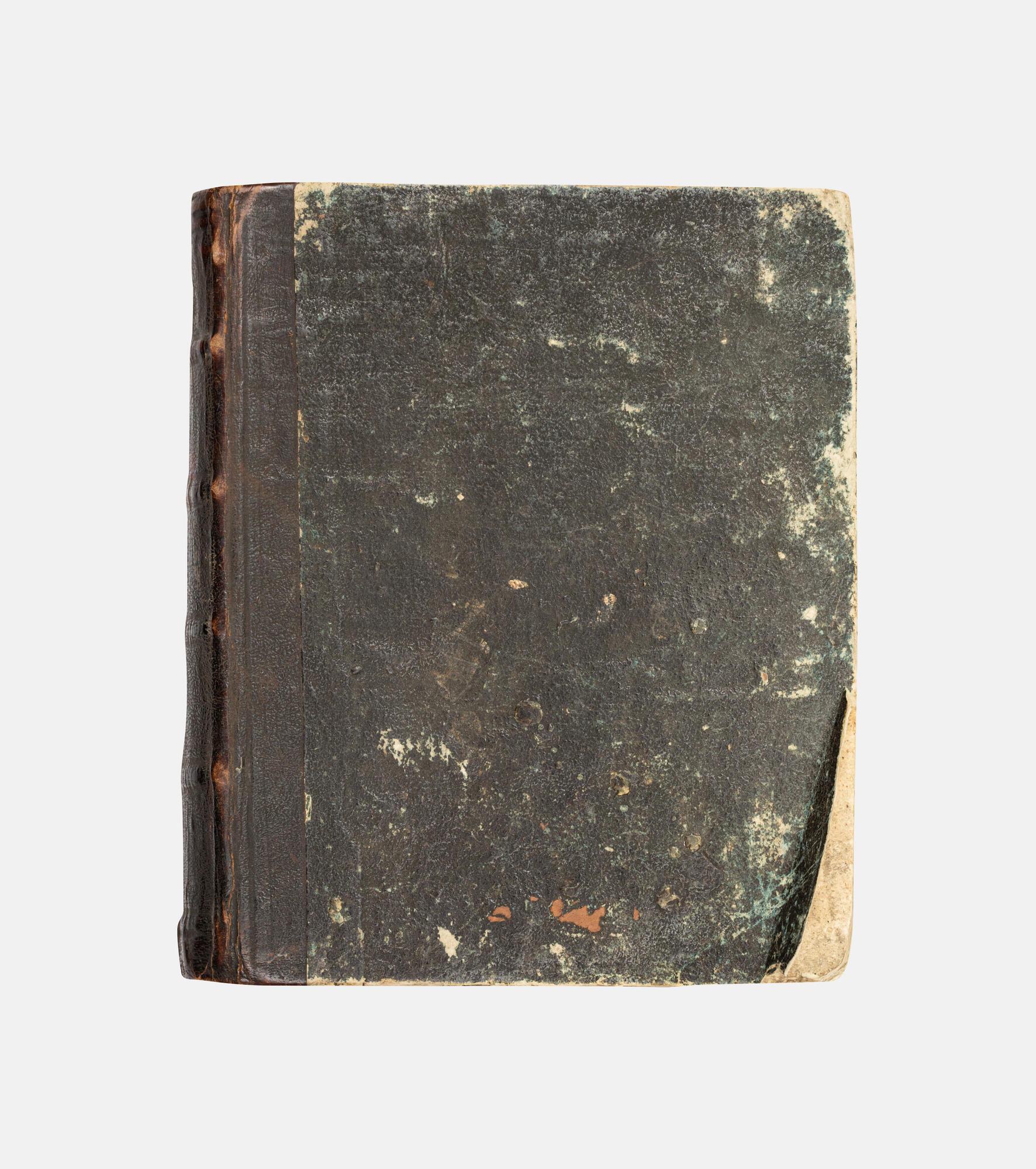


In their prayers, both at home and in church, Orthodox Christians commemorate their living and deceased relatives. In order not to forget any of the names, special lists were made on sheets that were fastened together like books. In churches and monasteries, such lists — memorial books — were called “synodics” in Russian.
If at home a believer could combine remembrance with the reading of the Psalter or the Prayer Rule (a set of prayers for everyday reading), then in the church there was a specific time reserved for reading the names — during the Liturgy of Preparation before the Holy Liturgy or during special divine services, for example on parental Saturdays.
Church memorial books included the names of grand dukes, tsars and tsarinas, metropolitans and patriarchs, as well as, in the second order, lay donors associated with the monastery or church where the commemoration was held.
This important historical source is indispensable for genealogical research, although it requires a certain skill in reading them. Thanks to the Kargopol memorial books, information about local clergymen, monks, and ancient Kargopol dynasties that do not exist anymore, has been preserved.
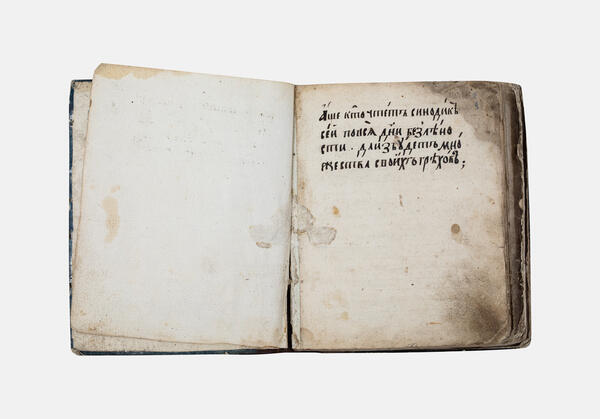
In addition to the list of names, some memorial books included stories on the topic of death considered to be “good for the soul”. The reading of such texts was recommended for the sake of healing one’s soul, “If one reads this memorial book every day and without laziness, let him overcome his many sins.”
The museum houses two memorial books of the Transfiguration Monastery: the more recent one included information from the older one. The book was handwritten, judging by the confident manner, by an experienced scribe, most likely a monk.
These memorial books were written in the 17th–18th centuries, but new names were added for a long time afterward. From a historical point of view, the list of “the creators of this holy monastery” is rather noteworthy, as it reveals the name of Vassian Strokinsky.
Neither the time of the local canonization of the
founder of the monastery, Vassian, nor his service, nor even his hagiography
are unknown. The veneration of the saint is confirmed only by the inclusion of
his name in the Cathedral of All Saints who shone forth in the Russian land
(celebrated in the 2nd Week of Pentecost).