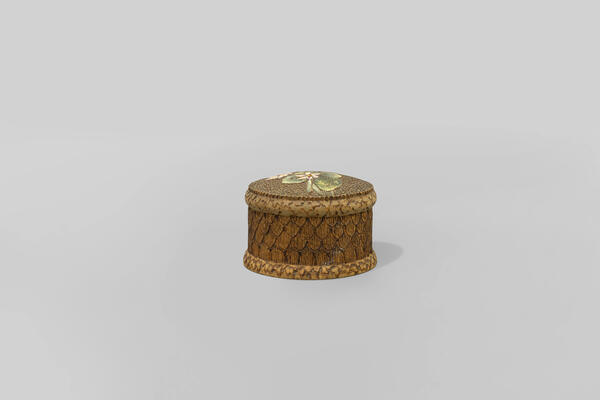
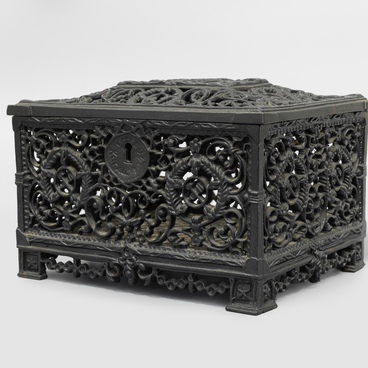
The Russian word “pudra” meaning “face powder” originated from the French word “poudre”, which can be translated as “powder” or “dust”. It was borrowed during the time of Peter the Great who became familiar with European traditions of using powder on wigs. Vegetable powder was made of rice and wheat. Other substances were sometimes added to increase its viscosity, such as lead white.
Until the 20th century, face powder was a symbol of social status. It was mainly used by women from high society who wanted to show off their pale skin as a sign of nobility. Face powder helped women hide their age. It was also used by artists for stage makeup and, until the second half of the 18th century, by soldiers and officers.
Grigory Aleksandrovich Potemkin, a statesman and favorite of Catherine II, wrote to the Empress, suggesting that the use of face powder should be abolished in the army,