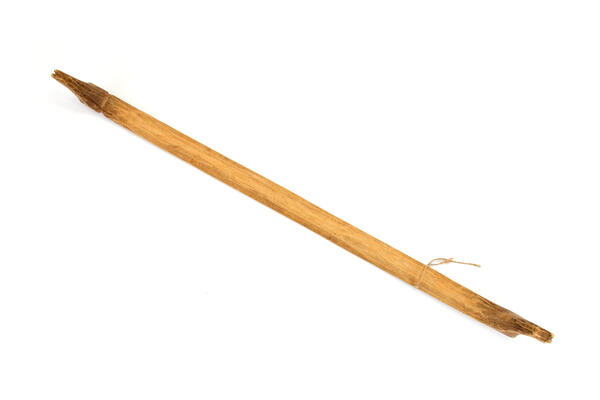
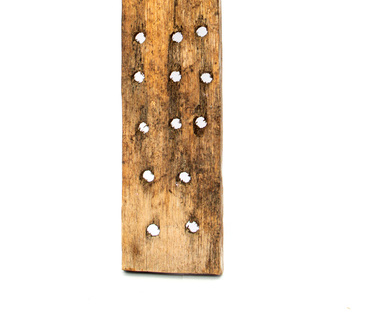
A shcherbinka stick acted as a kind of report card of the coachman — a marking was left on this stick every time he arrived at the coachman’s yard. This yard, or “yam” (from the Tatar “dzyam” — a place for changing horses), was a place where coachmen could have a snack and rest while they were changing horses. There were also forged chests weighing one and a half hundred kilos, with elaborate locks for storing valuable parcels.
Back in the times of Ivan III, coachmen received travel certificates, which gave them the right to freely move and get all the necessary supplies in the yards — primarily carts and provisions. To oversee the activities of the coachmen, a special executive office was formed.
Initially, the coachmen transported only state correspondence, and from the end of the 17th century — also private letters and passengers. The speed of the coachman’s carriage can be estimated by the fact that it took less than three days to travel from Novgorod to Moscow (562 versts, or about 578 kilometers). The sledge route was even faster and more convenient, so many trading operations were planned for the winter.
It was seen as a great privilege and responsibility to be a coachman. They were entitled to a salary, a state-issued zipun with a caftan (both are a type of coat), a land lot and relieved of paying zemstvo taxes.
A postal horn was embroidered on the coachman’s caftan, however this object was rarely used in favor of shaft bells. In clear weather, they could be heard from a distance of about five kilometers, and it was also believed that their sound drove away evil spirits.
It is these coachmen in the sovereign’s service who were the first Russians to inhabit the Uvat area.
In the early 1630s (according to various versions, from 1633 to 1637), Tsar Mikhail Feodorovich issued a decree to establish two yams on the road between Tobolsk and Surgut — Demyanovsky and Surgutsky coachman yards. In this regard, the local authorities were instructed to find out the suitability of the lands for settlement, and the boyar children Fyodor Scryabin and Ivan Pogozhy to recruit the free and willing people of Vologda, Tobolsk and other cities to move to Siberia together with their families. Hunters-coachmen were entitled to five rubles of subsidized money per person, a free cart to the place and three horses with carriage. In reality, traveling to Siberia and settling in a new place turned out to be fraught with numerous challenges, so there was even a question of eliminating the yards, but in the end it was decided that they could stay.