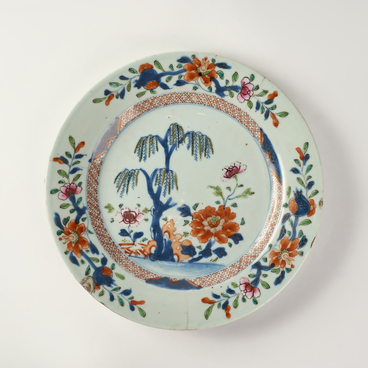
The Austrian businessman and passionate collector Otto Yakovlevich Wiblinger lived in Astrakhan from 1893 to 1914. On the eve of World War I, he left Russia forever. His collection remained in Astrakhan in his city manor. In 1918, it was divided between the gallery and the Museum of Local Lore, which received weapons for its collection of arms.
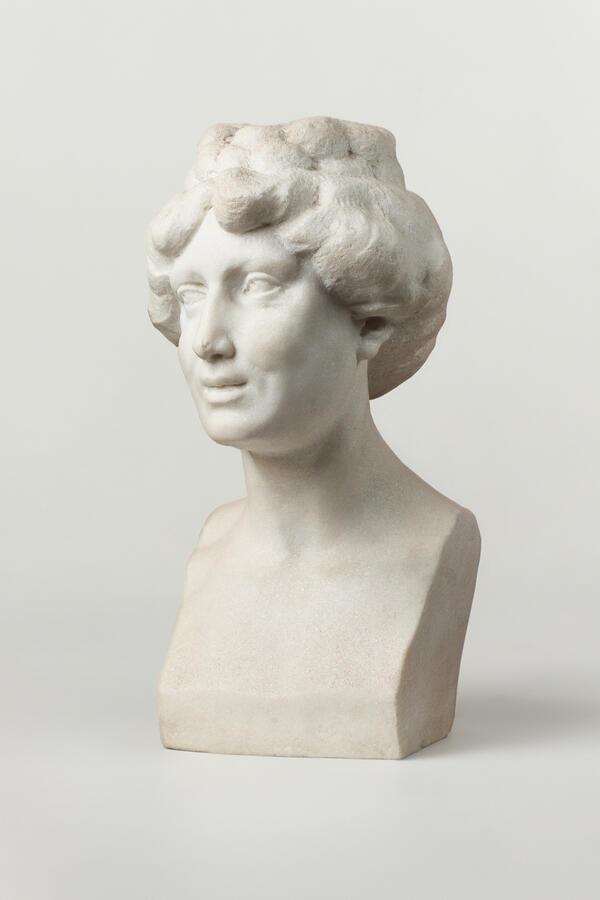
The collection, which primarily included antiques, featured 34 paintings, a number of sculptures, and other items from different countries and peoples. Among them are two chest-length sculptural images made of marble “The Savoyard Man” and “The Savoyard Woman”. These are the works of the French sculptor Louis-Marie-Joseph Ridel.
Joseph Ridel attended the Académie Julian and later worked under Gustave Moreau at the School of Fine Arts in Paris. The artist’s sculptures are on display in the museums of Nantes, Strasbourg, Pont-Aven, as well as Tokyo, Buenos Aires and Rio de Janeiro.
In the late 19th century, sculpture as an artistic form experienced a time of great difficulty. Artists sought to ensure that their works reflected the acute social issues of the period. At that time, Realism was prevalent in art, but in sculpture, this term hardly meant anything as this form of art required a certain level of conventionality and idealization, making it difficult for sculptors to offer truly innovative ideas. Nevertheless, sculptors sought new approaches, techniques, and methods of expression. For inspiration, they turned to the history of art — to narrative, historical and habitual verisimilitude.
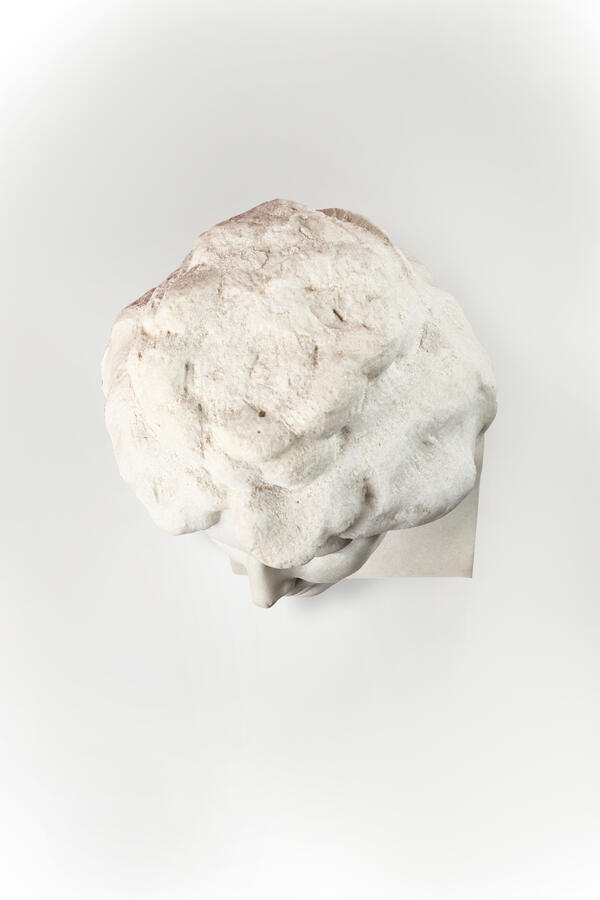
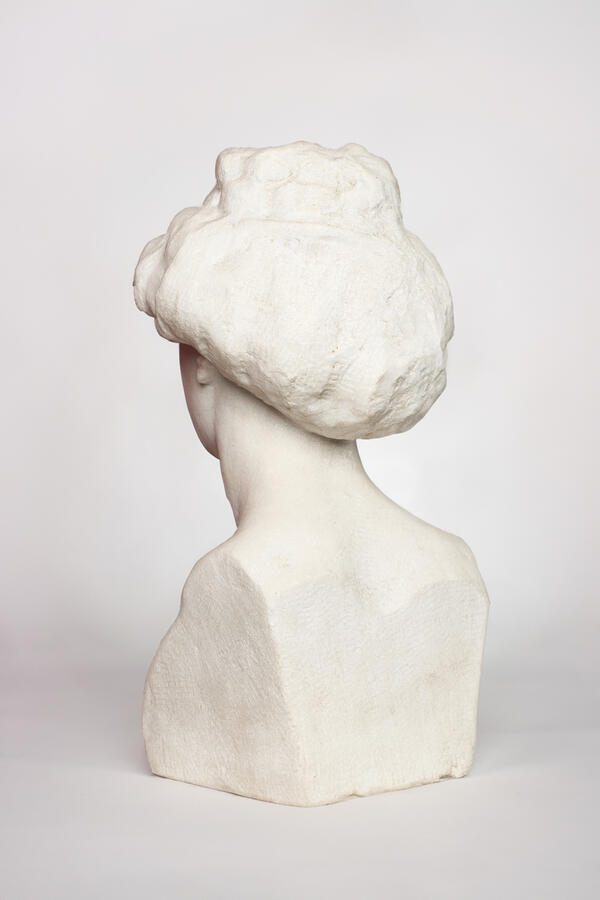
In the sculptural portrait “The Savoyard Woman” presented at the exhibition of the Astrakhan Art Gallery, one can notice a somewhat rough manner of modeling. This is an artistic technique: in this way, the artist tried to depict the simplicity of peasant faces.
In the second half of the 19th century, in sculpture, the main focus was on genre scenes. Sculptures became more and more narrative and began to look like genre paintings translated into sculpture. So, the sculptures “The Savoyard Man” and “The Savoyard Woman” represent a silent but meaningful dialogue between a young man and a young woman that has lasted for centuries and been immortalized in marble.