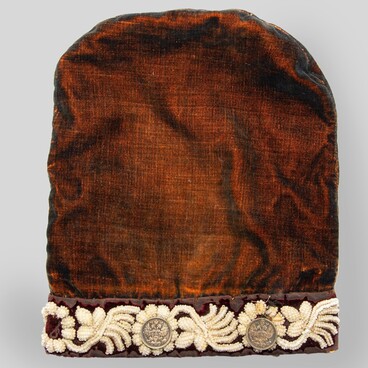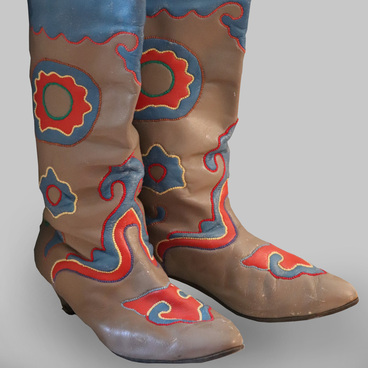


Ichigi is the national footwear of the Tatar people. According to one version, the word comes from “chigelgen itek”, which translates as “embroidered boots”. According to another, “ichig” is an abbreviation for “ichchke chitek”, which is translated from the Tatar language as an “inner boot”. This meant that other shoes — felt boots or galoshes — were always worn over the ichigi. Entering the house, people took off their outer shoes and remained in beautiful elegant ichigi.
Ichigi are assembled from pieces of patterned leather. The pieces are sewn together with threads — simple, silk, silver or gold ones. A special Tatar seam that is used plays an independent decorative role.
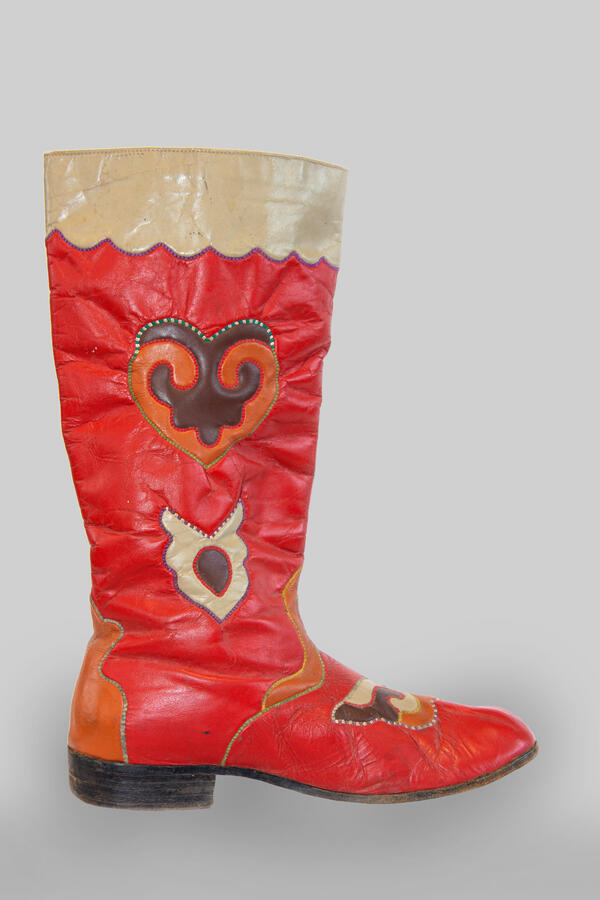
The pattern on ichigi is a Tatar ornament featuring an abstract image or a floral motif. A person or an animal cannot be depicted on clothes, this is prohibited by Islam. Mostly the pattern is made in the form of a flower, a stem with many scrolls and seeds. Usually ichigi look like this: at the very bottom is a seed (man), a little higher is a sprout (woman), even higher is a flower (family), stretching towards the sun (well-being).
Leather shoes were common among urban residents, the wealthy villagers and the clergy. Knee-high boots made of soft leather with soft soles (“chitek”) were made of Russian leather, chrome and morocco. Mainly men wore solid black ichigi. Women also wore them, their boots were shorter and without cuffs. A festive version of women’s shoes were patterned “kayuly chitek”, made in the traditional technique of leather mosaic. Not everyone could afford embroidered leather boots. Ichigi were valued not only in Russia, but also abroad. Since the beginning of the 19th century, shoes have changed: they received a heel. This design was inspired by fashion trends around the world.
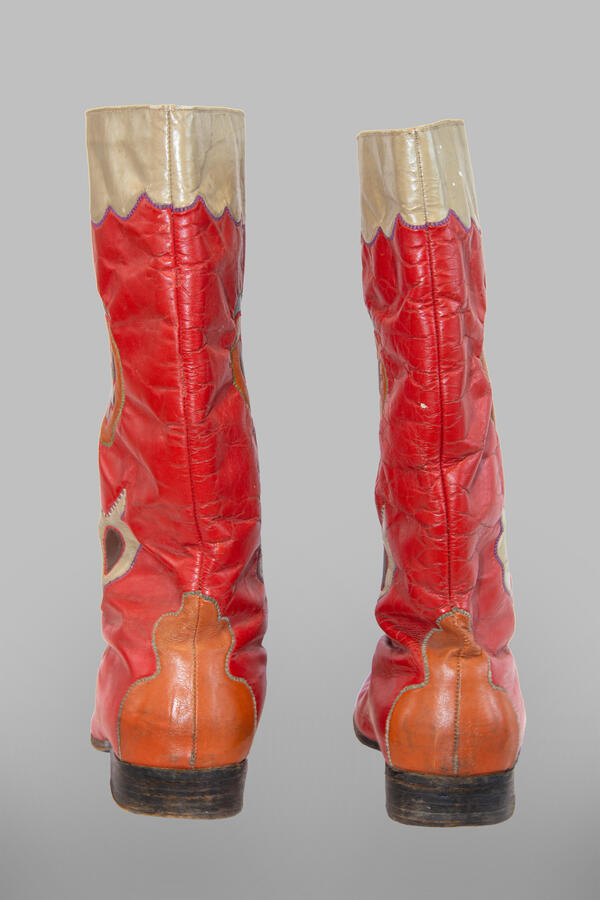
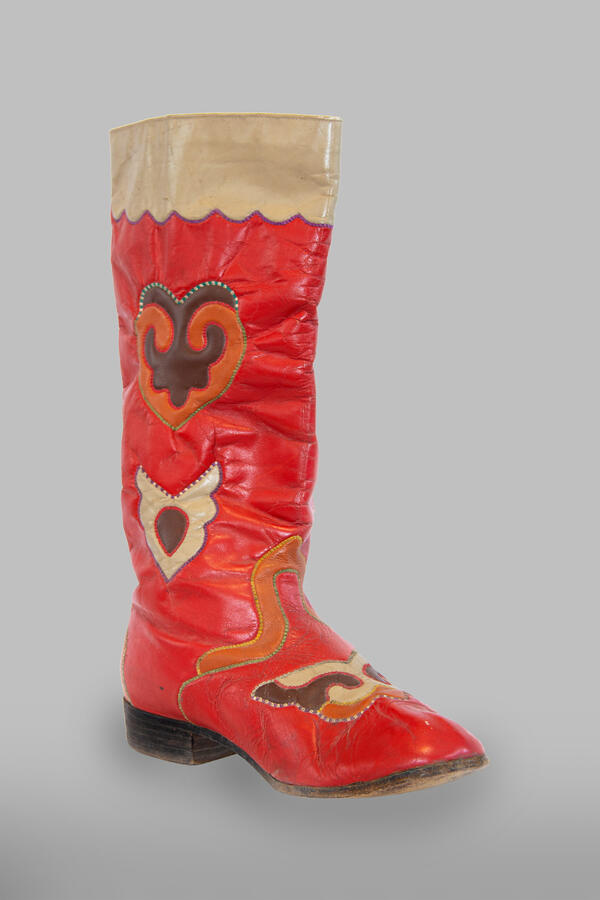
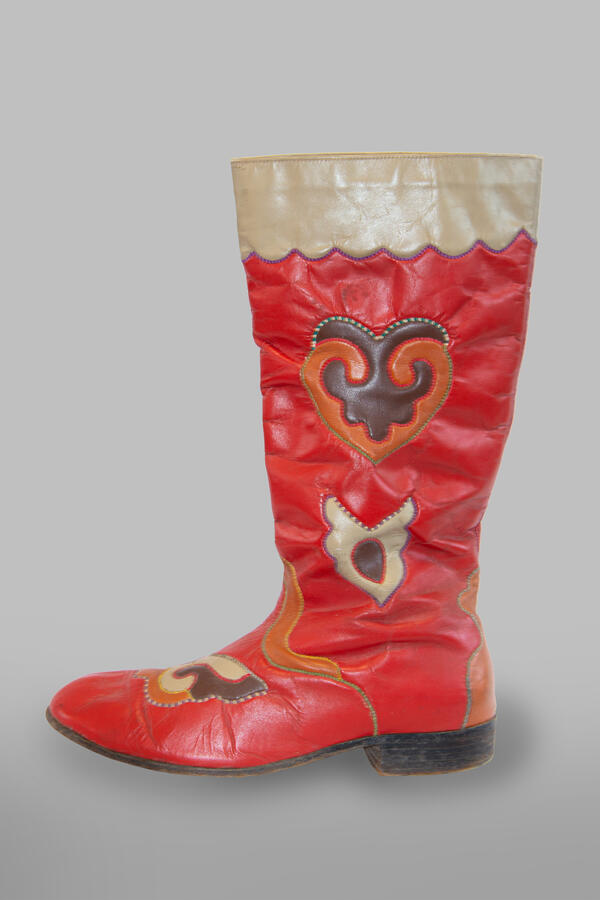
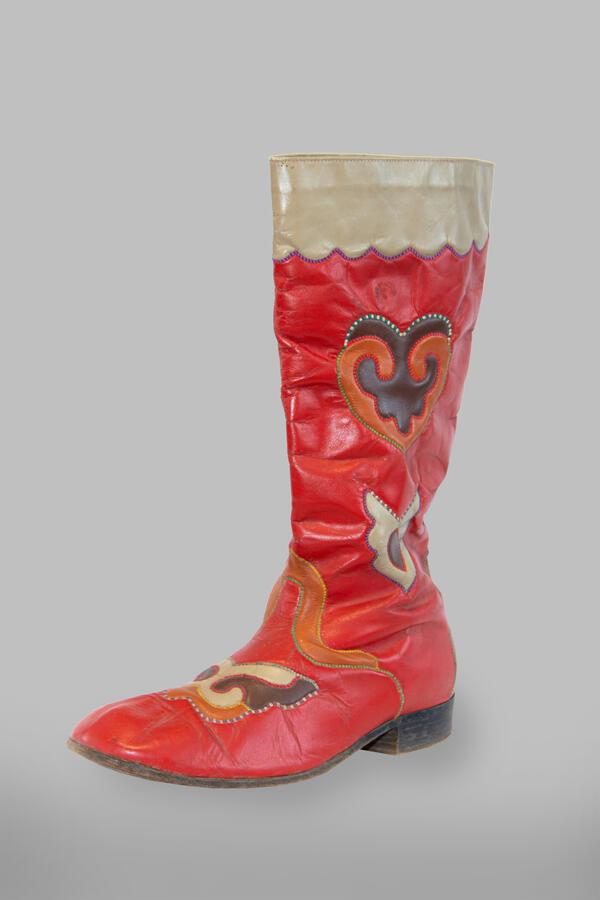
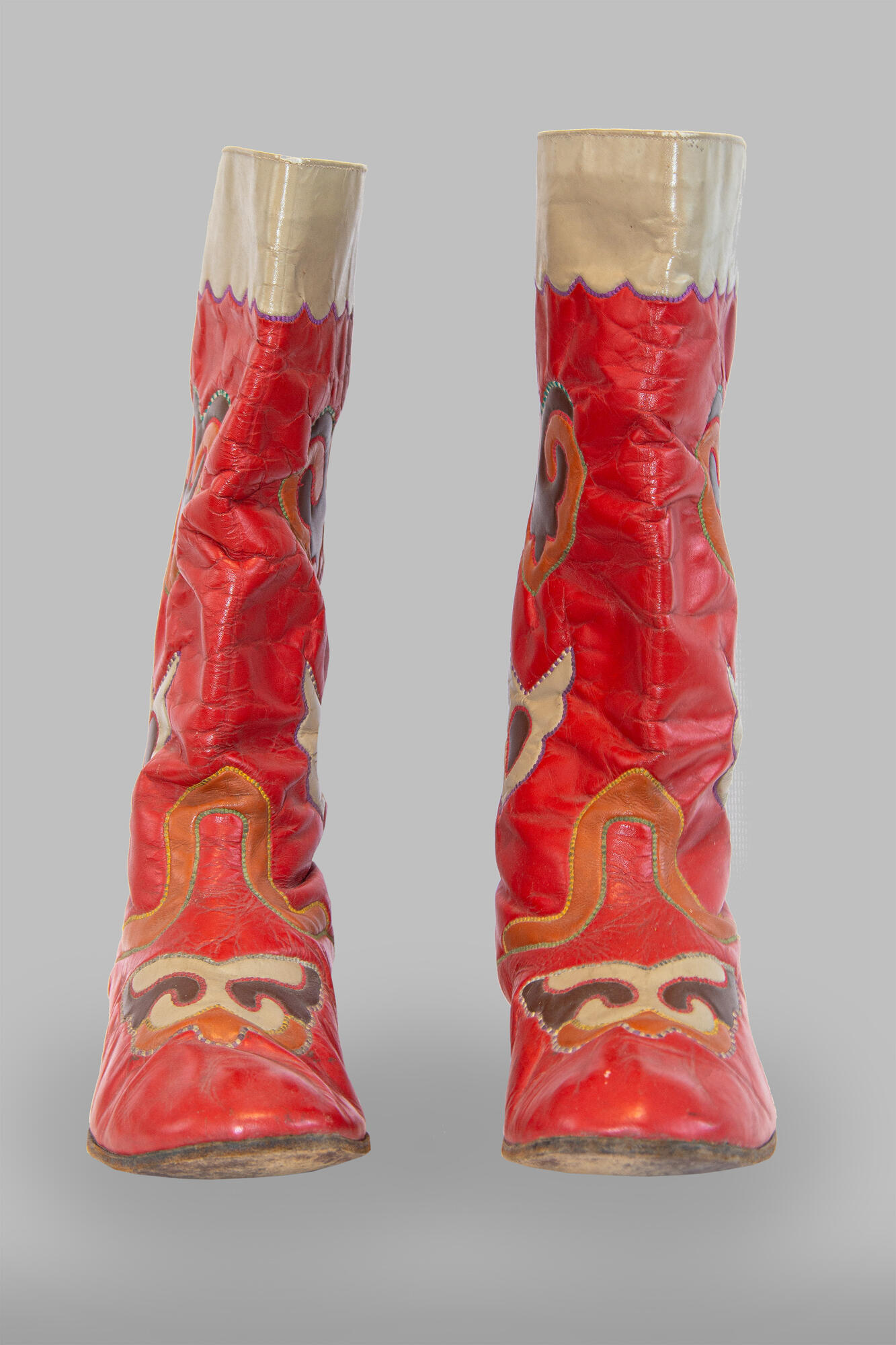
The museum presents bright red leather ichigi, decorated with a national pattern. They are sewn from Russian leather (“yuft”) — this is a kind of soft leather made by shearing, eradicating hair (wool), a possible variant of the origin of the word “yuft” from the Tatar “o’fe” — “drive out”. Ichigi are decorated with national ornaments made of pieces of leather of different colors — orange, beige, and brown.
Ichigi are assembled from pieces of patterned leather. The pieces are sewn together with threads — simple, silk, silver or gold ones. A special Tatar seam that is used plays an independent decorative role.
The pattern on ichigi is a Tatar ornament featuring an abstract image or a floral motif. A person or an animal cannot be depicted on clothes, this is prohibited by Islam. Mostly the pattern is made in the form of a flower, a stem with many scrolls and seeds. Usually ichigi look like this: at the very bottom is a seed (man), a little higher is a sprout (woman), even higher is a flower (family), stretching towards the sun (well-being).
Leather shoes were common among urban residents, the wealthy villagers and the clergy. Knee-high boots made of soft leather with soft soles (“chitek”) were made of Russian leather, chrome and morocco. Mainly men wore solid black ichigi. Women also wore them, their boots were shorter and without cuffs. A festive version of women’s shoes were patterned “kayuly chitek”, made in the traditional technique of leather mosaic. Not everyone could afford embroidered leather boots. Ichigi were valued not only in Russia, but also abroad. Since the beginning of the 19th century, shoes have changed: they received a heel. This design was inspired by fashion trends around the world.
The museum presents bright red leather ichigi, decorated with a national pattern. They are sewn from Russian leather (“yuft”) — this is a kind of soft leather made by shearing, eradicating hair (wool), a possible variant of the origin of the word “yuft” from the Tatar “o’fe” — “drive out”. Ichigi are decorated with national ornaments made of pieces of leather of different colors — orange, beige, and brown.