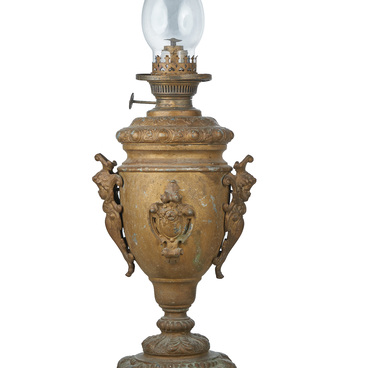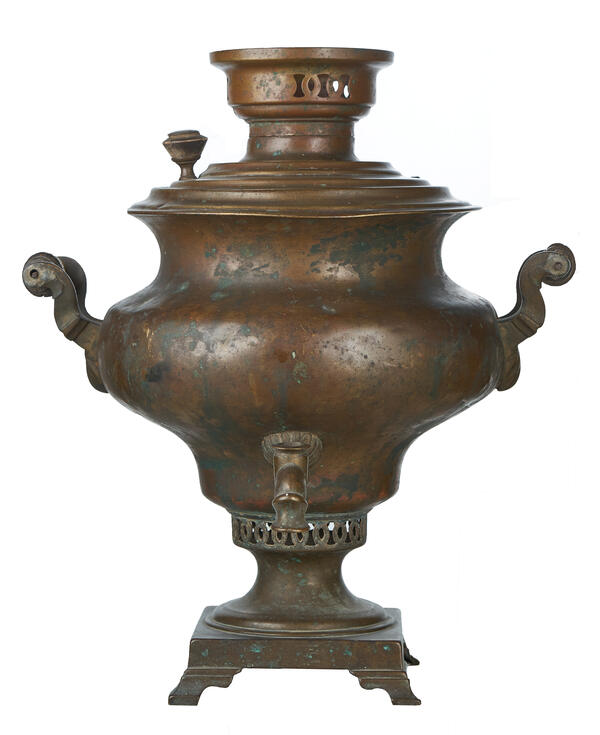
The collection of the Urazovo Local History Museum contains a samovar dated from the beginning of the 20th century.
The samovar was not an ordinary household item, but a kind of personification of prosperity, family comfort, and well-being. It was included in the maiden’s dowry, passed down by inheritance, and given as a gift. Carefully polished, samovar was installed in the most prominent and honorable place in the room.
Many people believe that the samovar is a truly Russian invention. However, such devices have been known since ancient times. For example, the ancient Romans, wanting a hot drink, filled a container with water and threw a larger hot stone into it, as a result of which the water boiled.
Samovar arose as a result of appearance of tea. It was brought to Russia in the 17th century from Asia: first to Moscow, and later to Odessa, Poltava, Kharkov, Rostov and Astrakhan. The tea trade was one of the largest and most profitable commercial enterprises. At that time, it was used only as a medicine among the nobility.
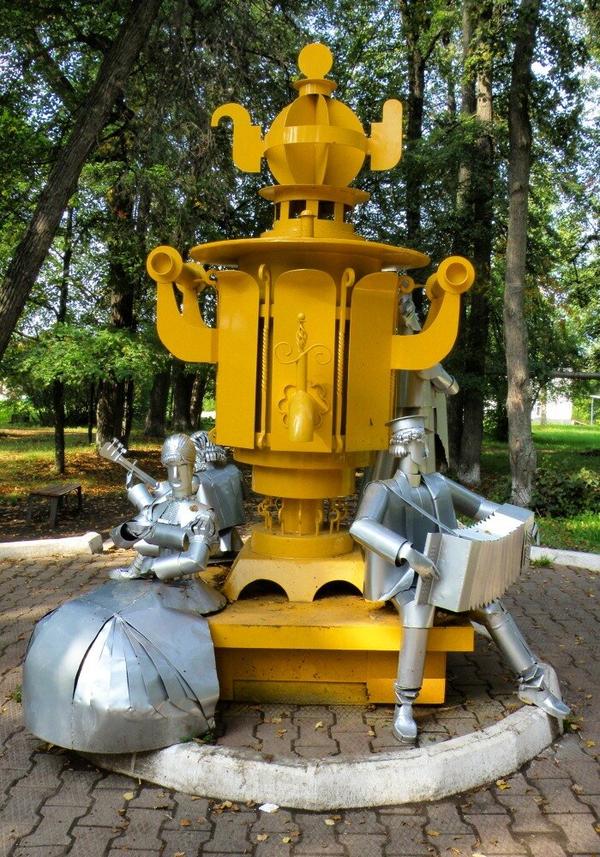
Along with gingerbread, the samovar is considered one of the symbols of Tula, where they were mass-produced at the end of the 18th century. However, historians found the first mention of the “water-heating machine” in the documents of 1740, which spoke of a copper samovar produced at the Ural plant of the Demidov entrepreneurs in the town of Suksun. The first samovars were brazier ones — they consisted of a pipe and a brazier. To heat the water, they used any combustible materials: coal, wood, cones. Unlike wood, the cones burn out quickly, but they give the water the scent of needles. Similar devices are used today, but the cones are added to the main fuel just before boiling. Samovars are distinguished by the shape of the handles, taps and the main vessel: “glass”, “ball”, “vase” and “egg”. Samovars were also made in the form of guns and bullets, rounded downwards; as well as round, like a watermelon, in the shape of a pear, felt boot and various animals. The road version was also popular — rectangular or cubic with removable legs.
The only manufacturer who was engaged in the manufacturing of samovars and rose to the rank of nobility was the gunsmith Ivan Batashev. His factory, which opened in 1825, became the first Russian samovar enterprise to be awarded the highest distinction — the large State Emblem. After 30 years, Batashev was awarded the title “Supplier of the court of his imperial majesty.”
The samovar was not an ordinary household item, but a kind of personification of prosperity, family comfort, and well-being. It was included in the maiden’s dowry, passed down by inheritance, and given as a gift. Carefully polished, samovar was installed in the most prominent and honorable place in the room.
Many people believe that the samovar is a truly Russian invention. However, such devices have been known since ancient times. For example, the ancient Romans, wanting a hot drink, filled a container with water and threw a larger hot stone into it, as a result of which the water boiled.
Samovar arose as a result of appearance of tea. It was brought to Russia in the 17th century from Asia: first to Moscow, and later to Odessa, Poltava, Kharkov, Rostov and Astrakhan. The tea trade was one of the largest and most profitable commercial enterprises. At that time, it was used only as a medicine among the nobility.
Along with gingerbread, the samovar is considered one of the symbols of Tula, where they were mass-produced at the end of the 18th century. However, historians found the first mention of the “water-heating machine” in the documents of 1740, which spoke of a copper samovar produced at the Ural plant of the Demidov entrepreneurs in the town of Suksun. The first samovars were brazier ones — they consisted of a pipe and a brazier. To heat the water, they used any combustible materials: coal, wood, cones. Unlike wood, the cones burn out quickly, but they give the water the scent of needles. Similar devices are used today, but the cones are added to the main fuel just before boiling. Samovars are distinguished by the shape of the handles, taps and the main vessel: “glass”, “ball”, “vase” and “egg”. Samovars were also made in the form of guns and bullets, rounded downwards; as well as round, like a watermelon, in the shape of a pear, felt boot and various animals. The road version was also popular — rectangular or cubic with removable legs.
The only manufacturer who was engaged in the manufacturing of samovars and rose to the rank of nobility was the gunsmith Ivan Batashev. His factory, which opened in 1825, became the first Russian samovar enterprise to be awarded the highest distinction — the large State Emblem. After 30 years, Batashev was awarded the title “Supplier of the court of his imperial majesty.”