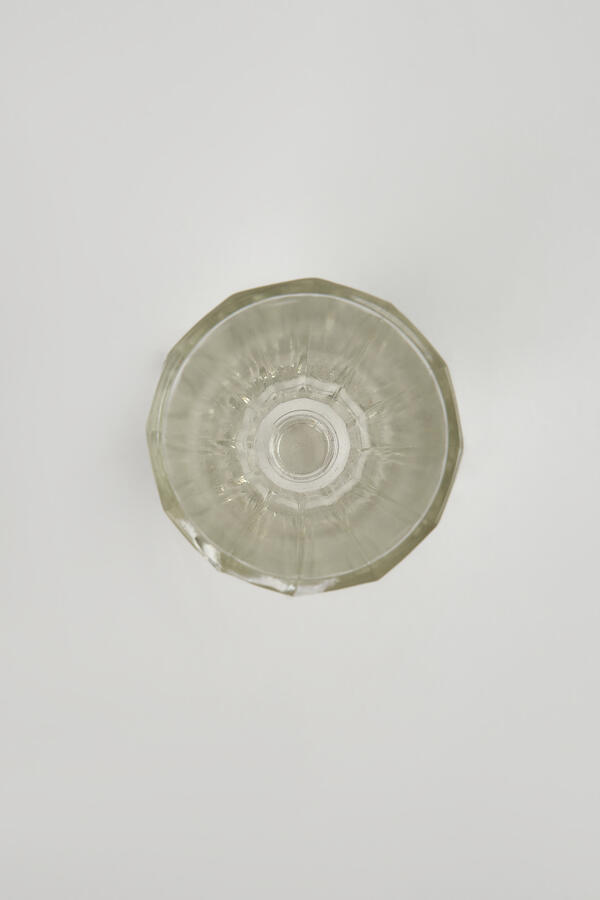
Small wine glasses have a low stem and are used for drinking alcoholic beverages. They can also be made of crystal.
Over the millennia of social development, a feast with the consumption of heady drinks has been one of the most popular pastimes of man. There have long existed special drinking vessels for such events: drinking cups, goblets, pewters and others.
Drinkware was initially made of wood, and later silver and gold were used for wealthy customers. Horns of domestic animals decorated with incisions and patterns of precious metals were also used as vessels for strong drinks.
In the course of history, new types of containers for alcoholic beverages have evolved. The small wine glass was one of the last to appear.
Along with the changes in shapes and sizes, the materials used to produce such vessels also changed. Wooden and bone bowls and cups were gradually replaced by elegant and stylish glassware. During the Middle Ages, these rare and expensive items were kept in special cases and passed down as heirlooms.
As mass production began in the 19th century, various drinkware became commonplace for every family. Different glasses became household items and were used for spirits, wine and liqueurs. They had different shapes, with or without a stem, with an elongated or bowl-shaped base.
The glass presented in the museum’s exposition is called “lafitnik”. Lafitniks are distinguished from other small wine glasses by their thin walls, heavy, stable stem and tulip-shaped form.
Lafitniks were made in different sizes — from 50 to 150 milliliters. The name comes from the French red wine “Lafite”, more precisely “Château Lafite”.
This wine was popular in Russia in the last third
of the 19th century. At that time, it was imported into Russia in large
quantities. Over time, the word “Lafite” came to refer to any foreign expensive
wine. From the early 20th century, the name of a particular kind of glass gave
rise to the name of any small wine glass of elegant shape. By the end of the
20th century, the name became an archaism.