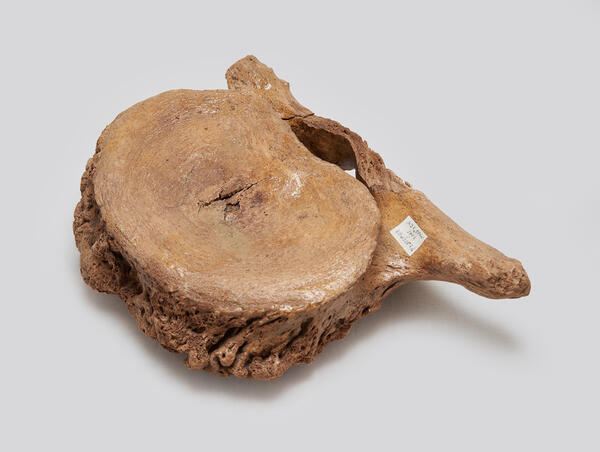
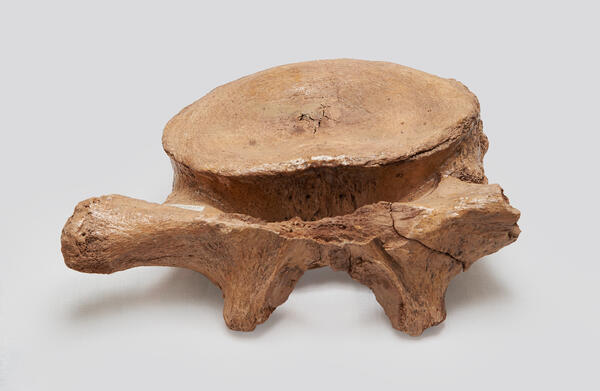
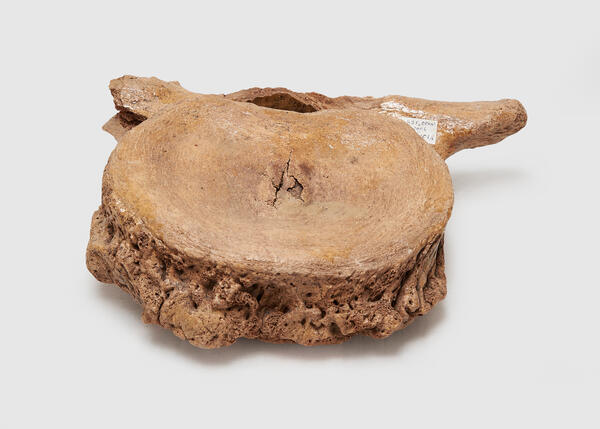
The museum’s collection contains various parts of the mammoth skeleton found on the territory of the Khanty-Mansi Autonomous Okrug: fragments of tusks, vertebrae, ribs and others.
Paleontologists value the banks of the Ob River as a place rich in such finds. A special license is required to extract bones from the ground; however, amateurs can collect material that lies on the ground without any paperwork. Vyacheslav Karmanov, head of the association “Territory of Siberia”, notes that “the steep riverbanks [are characterized by] a certain type of soil in which bones fall out of the ground, which are then washed away by water.” It is not difficult to distinguish fossils from “young” bones: even small fossilized fragments are heavy and have the so-called “Pleistocene tan” — brown or black plaque.
Mammoths as the brightest representatives of the Ice Age gave the name to the whole group of mammals — their contemporaries. Hence, the term “mammoth fauna” is often used.
According to the Novosibirsk biologist and local historian Andrey Leontievich Mugako, Siberian mammoths stood about three and a half meters tall and weighed on average about five to six tons. The length of an adult was up to five and a half meters, and the tusks, if straightened, were more than four meters in length (of males) and weighed over 90 kilograms. Such massive tusks were necessary for digging out shrubs and herbaceous plants from under the snow. To chew food, mammoths used four powerful “millstones” — molars, the structure of which resembled a grater for grinding coarse feed.
Mammoths formed small herds of 10–12 individuals and usually settled closer to the shores of reservoirs. In addition to their impressive size, trunk and tusks, these animals were distinguished by small ears and tail, a fat hump on the back of the neck and a kind of woolen “skirt” of brown or black color, which hung almost a meter under the stomach. On average, these giants lived for 60–80 years.
The last mammoths died out 11–14 thousand years ago, although some scientists believe that this could have happened later. These animals went extinct due to the pressures of a warming climate: snow cover was too thick and they could not get their usual food.
The presented mammoth cervical vertebra was discovered during a field expedition to the village of Andra, Oktyabrsky district, on the banks of the Ob River in 2006.