The foreigners that visited Moscow in the 17th century described Russian women as follows: they are well built, above average height, have a round, pretty face with large dark eyes, as well as delicate graceful hands.
Russian women used to apply a large amount of cosmetics, which the German traveler and historian Adam Olearius regarded as completely unnecessary. However, the fashion of “face painting” persisted for a long time among women of the middle and upper classes.
The faces were made very white and brightly ruddy, the eyebrows and eyelashes were blackened with antimony or made blue, and the eyelids were drawn almost to the temple. Ocher, bismuth, and metallic soot could be used as cosmetics.
One of the 17th-century blusher recipes was a mixture of madder, myrrh, frankincense and saffron — all those being plant components. This mixture was applied to the skin and left overnight. The blush that formed as a result of this process did not go away for several days.
To moisturize the skin of the face, special balls for washing were used. They were made from crushed soap with the addition of aromatic oils, spices and herbs. In the 17th century, women would also instill special compounds in the eyes that dilated the pupil and made the look more expressive.
Another means of beauty was mercury white, which was used to clean teeth. However, after long-term use, it led to tooth decay. Cosmetics could be purchased in special rows in city markets. The groom always presented white lead and blusher make up as a gift to his bride.
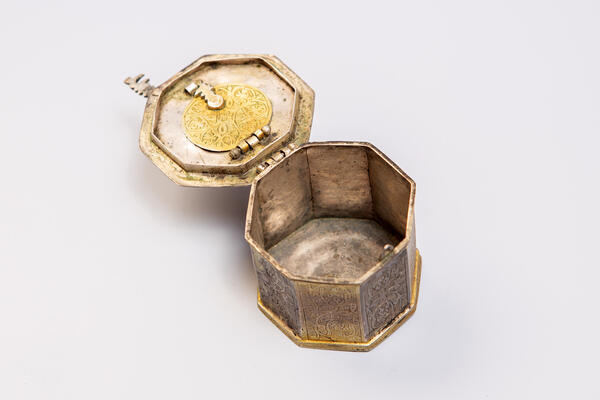
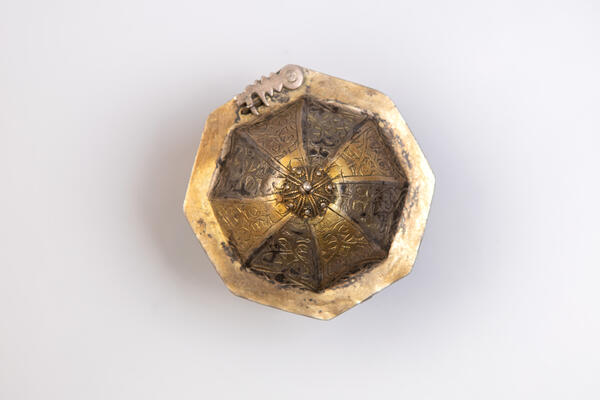
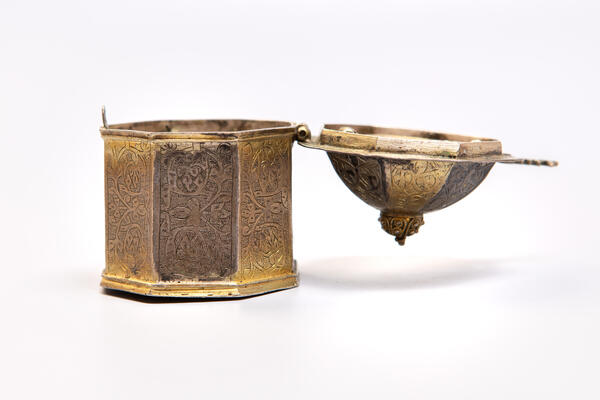
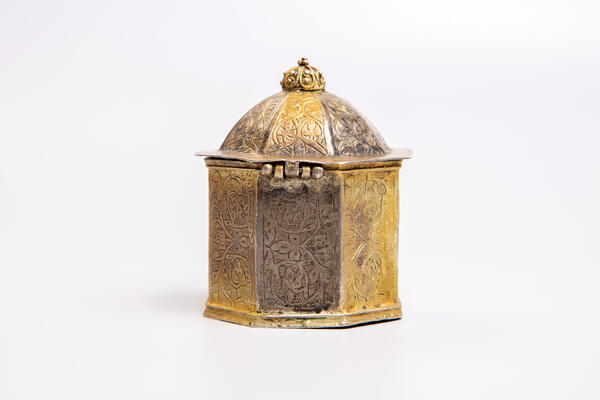
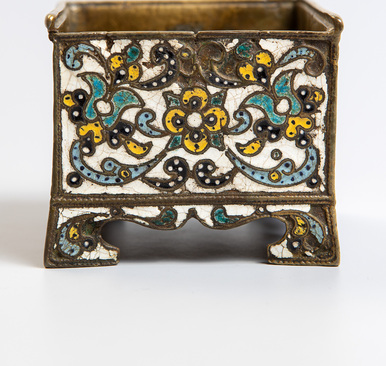
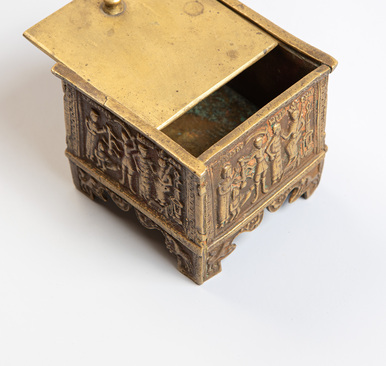
Cosmetics were stored in parchment, pots, as well as jars, which served as a cosmetic boxes (“pomadnitsy”). The exhibit from the museum’s collection is an octahedron and resembles a building in shape. The master decorated the walls with floral patterns using engraving. Inside the dome lid there was an additional compartment for storing a small item. Such products could cost much more than what was stored inside. Such boxes and caskets were often bequeathed.
Russian women used to apply a large amount of cosmetics, which the German traveler and historian Adam Olearius regarded as completely unnecessary. However, the fashion of “face painting” persisted for a long time among women of the middle and upper classes.
The faces were made very white and brightly ruddy, the eyebrows and eyelashes were blackened with antimony or made blue, and the eyelids were drawn almost to the temple. Ocher, bismuth, and metallic soot could be used as cosmetics.
One of the 17th-century blusher recipes was a mixture of madder, myrrh, frankincense and saffron — all those being plant components. This mixture was applied to the skin and left overnight. The blush that formed as a result of this process did not go away for several days.
To moisturize the skin of the face, special balls for washing were used. They were made from crushed soap with the addition of aromatic oils, spices and herbs. In the 17th century, women would also instill special compounds in the eyes that dilated the pupil and made the look more expressive.
Another means of beauty was mercury white, which was used to clean teeth. However, after long-term use, it led to tooth decay. Cosmetics could be purchased in special rows in city markets. The groom always presented white lead and blusher make up as a gift to his bride.
Cosmetics were stored in parchment, pots, as well as jars, which served as a cosmetic boxes (“pomadnitsy”). The exhibit from the museum’s collection is an octahedron and resembles a building in shape. The master decorated the walls with floral patterns using engraving. Inside the dome lid there was an additional compartment for storing a small item. Such products could cost much more than what was stored inside. Such boxes and caskets were often bequeathed.