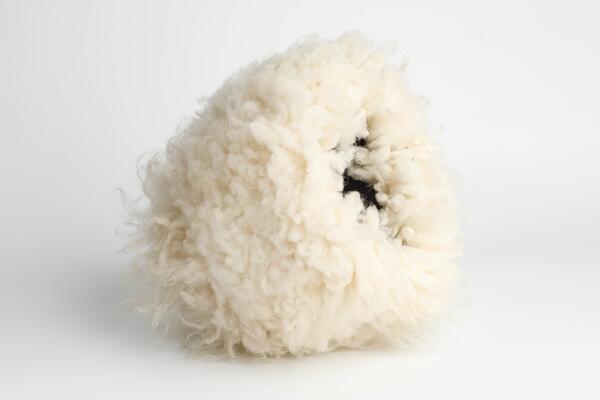
The word papakha is of Turkic origin and literally means “hat”. It is a traditional brimless, visorless headdress worn as part of the national costumes of the peoples of the Caucasus, Central Asia, and other regions. In both the Imperial Russian and Soviet armies, the papakha was part of the uniform. It gave soldiers an imposing, “belligerent” appearance — making them look taller, stronger, and more formidable.
In the late 19th and early 20th centuries, papakhas were made not only from sheepskin or goat fur but also from bear and wolf pelts. The choice of material depended on local availability and climate. During wartime, the thick fur was believed to cushion blows to the head, offering some protection against shrapnel and strikes from cold steel.
Papakhas vary widely in material, pile length, height, shape, and color. In the Caucasus, they are traditionally made from sheepskin, goat fur, or astrakhan. Colors are usually natural: milky white, golden, brown, black, or gray. The pile may be short, medium, or long — reaching 15 centimeters or more — and can be straight, wavy, or curled. The most common shapes are conical or cylindrical, lending the headdress a sense of rigor and nobility.
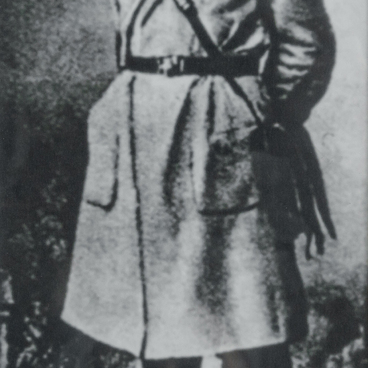
For Nikolai Kuznetsov, the papakha was more than an accessory — it was a symbol of military dignity, personal independence, and a deep connection to folk culture. It accompanied him from his student days in Talitsa all the way through the war.