

People have always settled near the water, and fishing was one of the main ways to get food, along with hunting, farming, cattle breeding and gathering. The first fishing tools were spears — strong sticks with a jagged tip that could be used to hit fish in shallow water, including at night with torchlight.
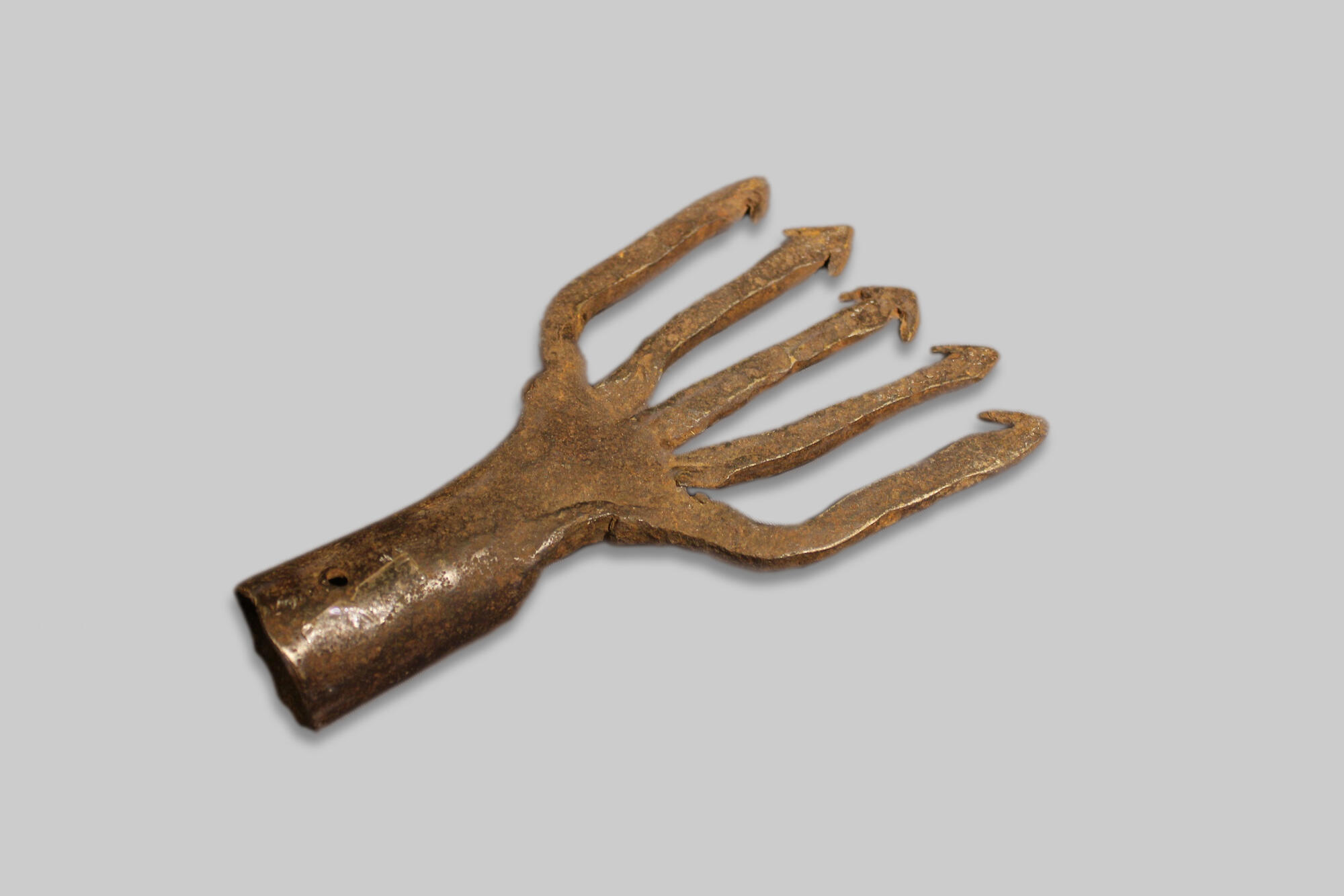
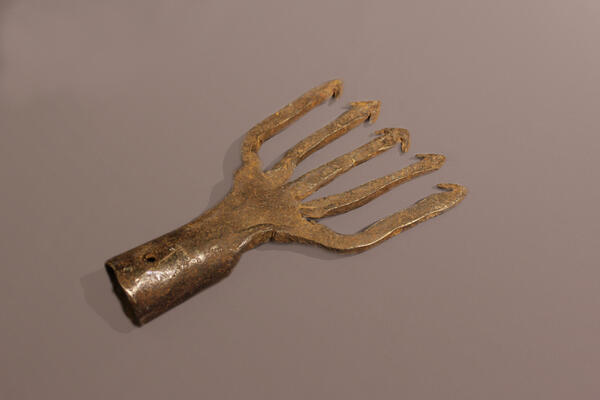
Later, the prongs of the spear started to be made of metal, but with some people they could be made of wood or bone. For example, Russian fishermen used a spear in the form of an iron pitchfork mounted on a thin pole (ratovische) about 4 m long. The number of prongs on the spear ranged from 2 to 12, their length was usually about 25 cm. Each of them had a notch that should hold the caught fish.
Fishing with a spear required three conditions: dark night, light water, and completely calm weather. The first two conditions were always successful in autumn, when the nights were long and dark, and the cold water was completely clear. Fish at this time could actively be fed, coming from the bottom closer to the surface and going into shallow water, so it was much easier to catch it with a spear. The arrival of the third favorable fishing condition had to be waited for.
For the Evenks, fishing — same as hunting. The main tools of fishing they had for many years were a hunting bow with blunt arrows, which were used to kill fish and a spear, which was called kiramki. It was a trident tip: the protruding middle tooth usually had two notches, the outer teeth — one each. The trident was mounted on a 2–6 m long shaft. The Evenks favorite prey were taimen, perch, pike, and burbot. They dried the excess fish in the sun and stored them in barns.
Spear fishing was completely banned back in the days of the Soviet Union — the Resolution of the Council of Ministers of the USSR dated September 15, 1958 No. 1045 ‘On the reproduction and protection of fish stocks in the USSR inland waters’ was signed. In the 2000s, the ban on fishing with piercing fishing tools, as well as fishing ‘on headlight’ in Russia was confirmed.
Later, the prongs of the spear started to be made of metal, but with some people they could be made of wood or bone. For example, Russian fishermen used a spear in the form of an iron pitchfork mounted on a thin pole (ratovische) about 4 m long. The number of prongs on the spear ranged from 2 to 12, their length was usually about 25 cm. Each of them had a notch that should hold the caught fish.
Fishing with a spear required three conditions: dark night, light water, and completely calm weather. The first two conditions were always successful in autumn, when the nights were long and dark, and the cold water was completely clear. Fish at this time could actively be fed, coming from the bottom closer to the surface and going into shallow water, so it was much easier to catch it with a spear. The arrival of the third favorable fishing condition had to be waited for.
For the Evenks, fishing — same as hunting. The main tools of fishing they had for many years were a hunting bow with blunt arrows, which were used to kill fish and a spear, which was called kiramki. It was a trident tip: the protruding middle tooth usually had two notches, the outer teeth — one each. The trident was mounted on a 2–6 m long shaft. The Evenks favorite prey were taimen, perch, pike, and burbot. They dried the excess fish in the sun and stored them in barns.
Spear fishing was completely banned back in the days of the Soviet Union — the Resolution of the Council of Ministers of the USSR dated September 15, 1958 No. 1045 ‘On the reproduction and protection of fish stocks in the USSR inland waters’ was signed. In the 2000s, the ban on fishing with piercing fishing tools, as well as fishing ‘on headlight’ in Russia was confirmed.