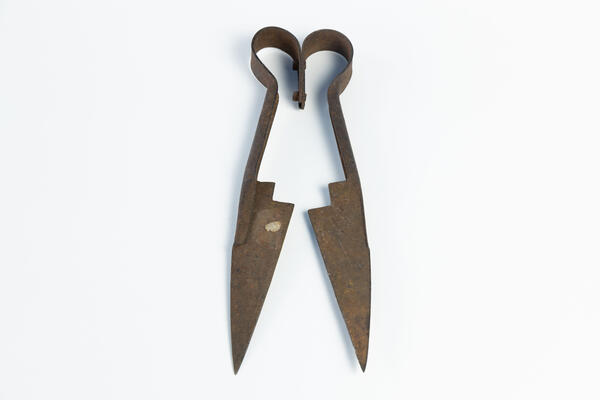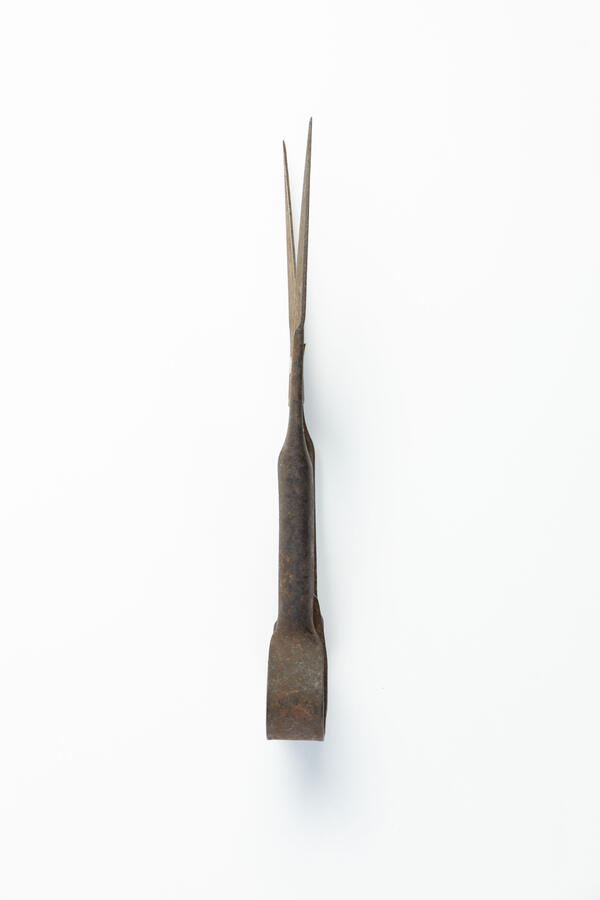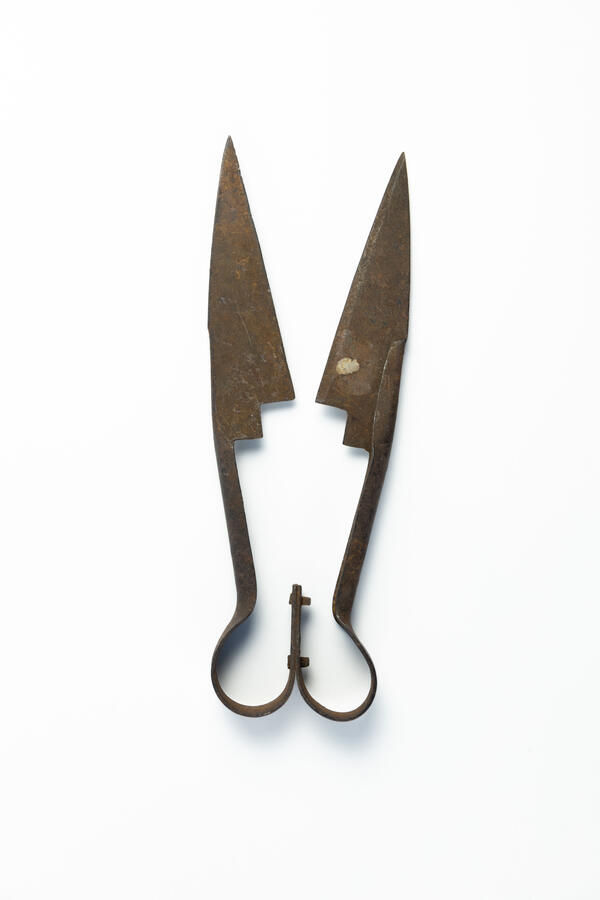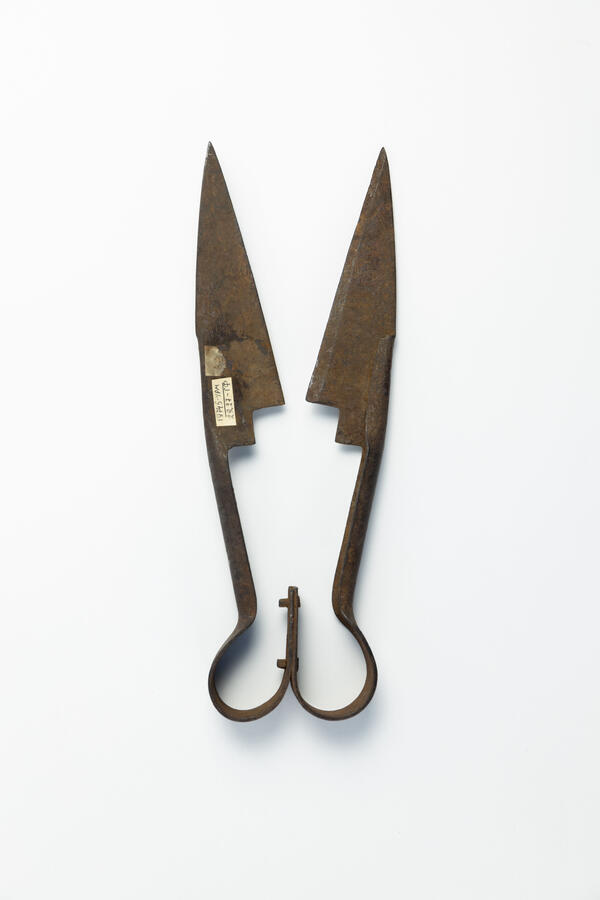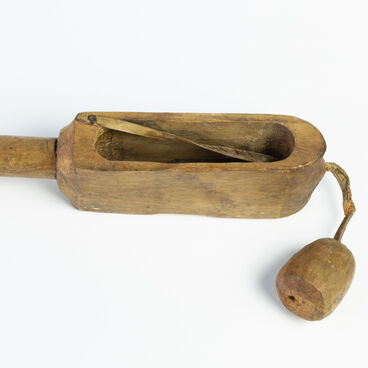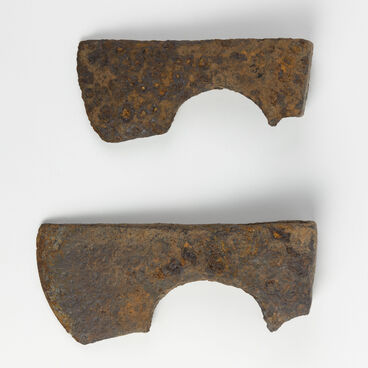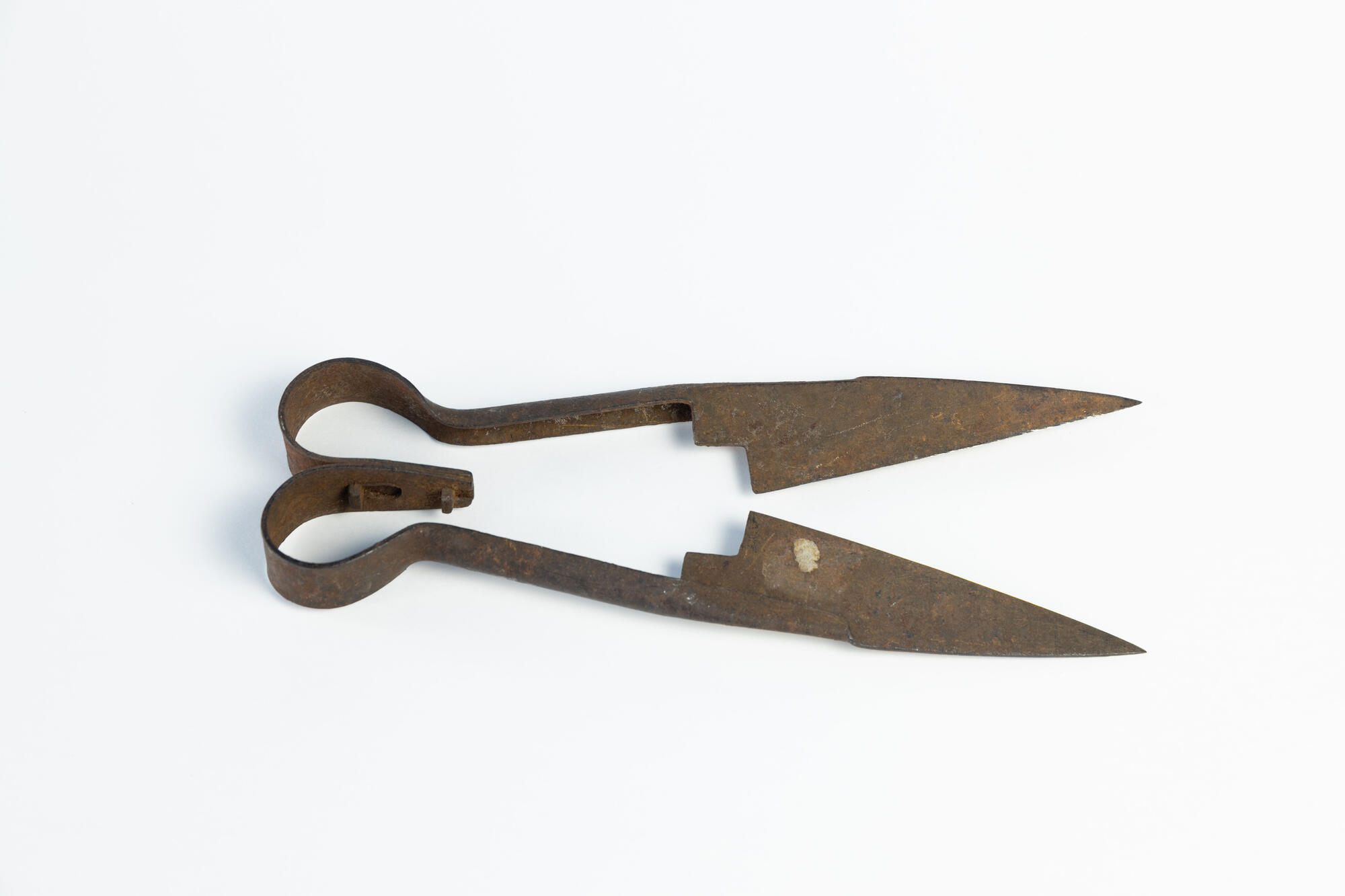


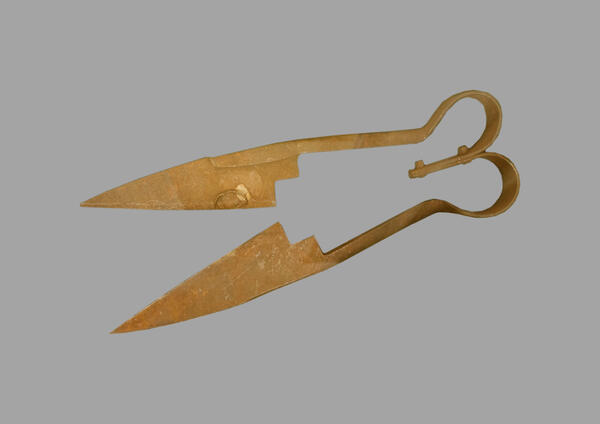
The first scissors in history were invented more than three and a half thousand years ago. They did not belong to tailors and hairdressers, but instead to cattle breeders, and were intended for shearing sheep. The scissors looked like tweezers and consisted of two blades. This design turned out to be convenient and was in use for more than two thousand years without fundamental changes. Later, scissors working on the principle of a lever were invented, which made it much easier to use them, but these improvements did not affect the sheep shearing scissors.
The history of scissors in Russia began in the 10th century. The oldest Russian blade shears were found during excavations in the Gnezdovo mounds near Smolensk. The scissors from the collection of the Glazov Museum of Local Lore were used in the Vyatka Governorate in the 19th century. Today there are more than 20 types of scissors, including garden, sewing, manicure, medical, office and specialized scissors for sheep shearing.
Animal husbandry and agriculture were the basis of the economy of the Udmurts and neighboring peoples of the Kama region and the Urals. They bread workhorses, as well as cows and sheep for meat and dairy products. Animal husbandry also provided raw materials for the manufacture of clothing, household items, personal belongings, and tools. In addition, livestock manure was highly valued as an organic fertilizer. Animal husbandry was the capital of the family and the settlement.
Sheep in Udmurt farms were kept for the needs of the family: for wool, meat, sheepskin, and leather. There were two sheep breeds in the region: the ancient Bulgarian and the short-tailed Russian breeds. The latter are also called Romanovs, they are distinguished by short, coarse and thick fleece of brown or gray color. Sheep were sheared twice a year — in spring and autumn, so that the fleeces would not felt together, which made it much more difficult to work with it.
In spring, before starting the summer grazing season, the winter wool was sheared. It was about 400–600 grams per sheep. The same amount of wool was produced in summer, in August-September before the sheep were led into the pen for winter. Lambswool was sheared from young lambs born in winter. It was short soft wool half a centimeter in length, which was used for especially expensive textiles. Today, mechanized sheep shearing is used on large farms, but scissors are still preferred on many private farms.
The history of scissors in Russia began in the 10th century. The oldest Russian blade shears were found during excavations in the Gnezdovo mounds near Smolensk. The scissors from the collection of the Glazov Museum of Local Lore were used in the Vyatka Governorate in the 19th century. Today there are more than 20 types of scissors, including garden, sewing, manicure, medical, office and specialized scissors for sheep shearing.
Animal husbandry and agriculture were the basis of the economy of the Udmurts and neighboring peoples of the Kama region and the Urals. They bread workhorses, as well as cows and sheep for meat and dairy products. Animal husbandry also provided raw materials for the manufacture of clothing, household items, personal belongings, and tools. In addition, livestock manure was highly valued as an organic fertilizer. Animal husbandry was the capital of the family and the settlement.
Sheep in Udmurt farms were kept for the needs of the family: for wool, meat, sheepskin, and leather. There were two sheep breeds in the region: the ancient Bulgarian and the short-tailed Russian breeds. The latter are also called Romanovs, they are distinguished by short, coarse and thick fleece of brown or gray color. Sheep were sheared twice a year — in spring and autumn, so that the fleeces would not felt together, which made it much more difficult to work with it.
In spring, before starting the summer grazing season, the winter wool was sheared. It was about 400–600 grams per sheep. The same amount of wool was produced in summer, in August-September before the sheep were led into the pen for winter. Lambswool was sheared from young lambs born in winter. It was short soft wool half a centimeter in length, which was used for especially expensive textiles. Today, mechanized sheep shearing is used on large farms, but scissors are still preferred on many private farms.