

In the basin of the Cheptsa River there are more than two hundred archaeological monuments of the Chepetskaya and Polomskaya cultures. There are places of habitation and burials — hillforts, settlements and burial grounds. All of them contain objects and remnants of buildings that tell a lot about the life of the ancestors of the northern Udmurts during the early Middle Ages.
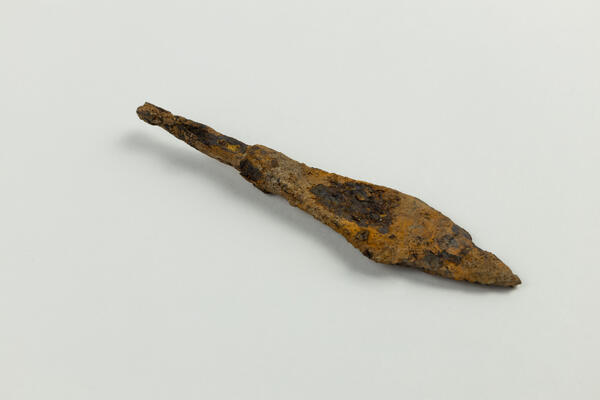
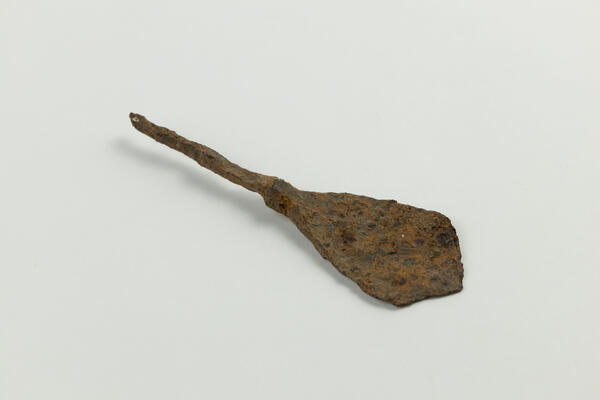
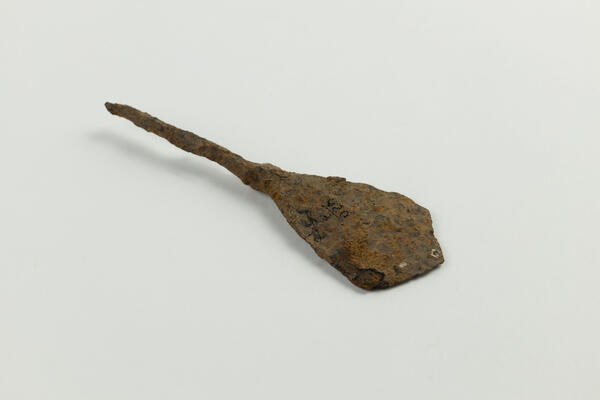
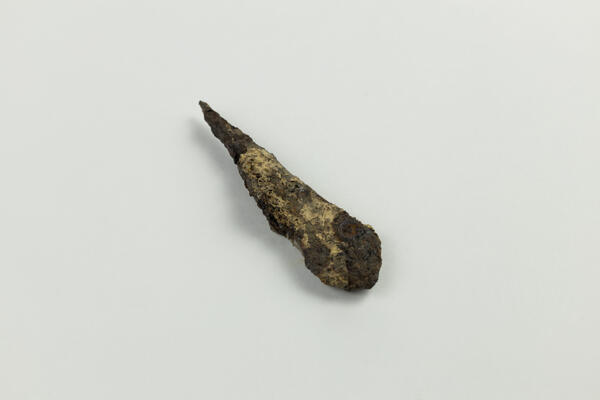
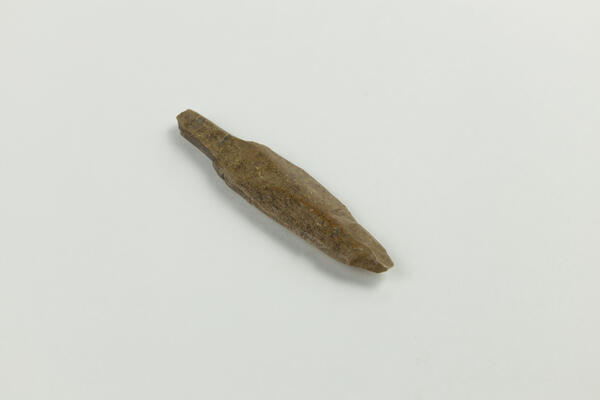
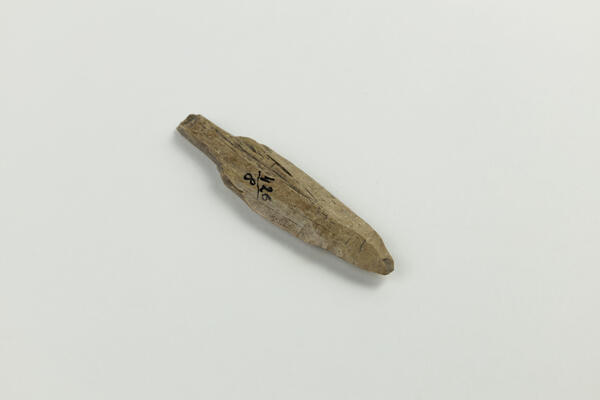
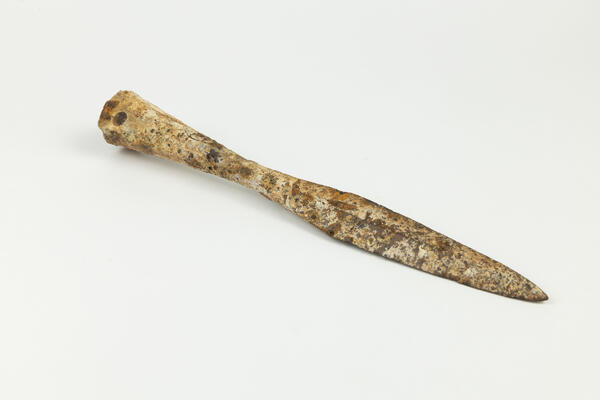
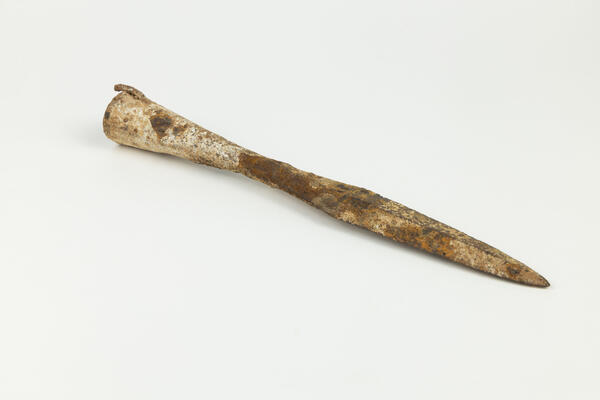
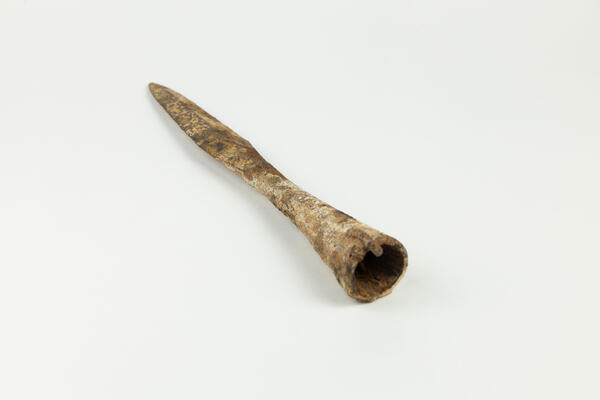
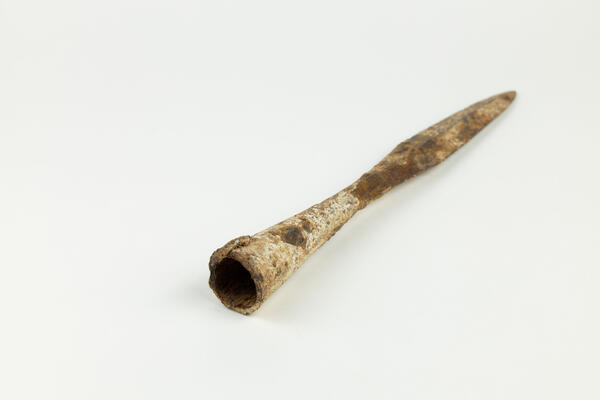
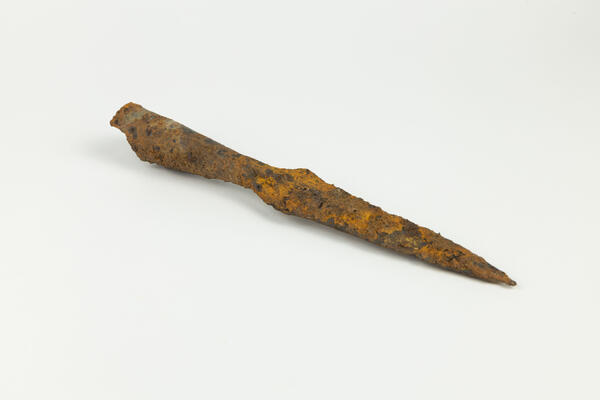
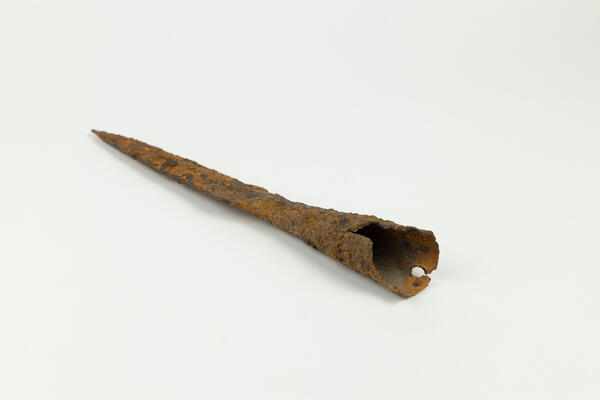
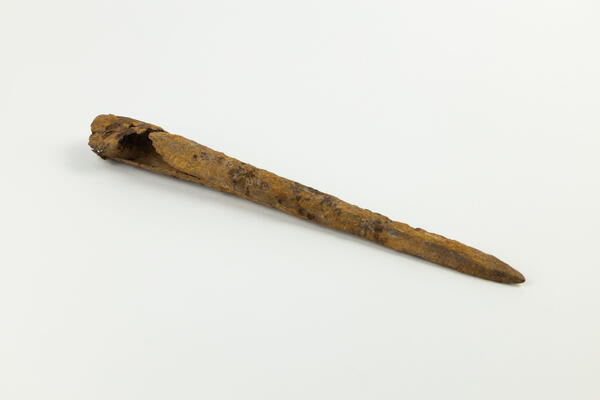
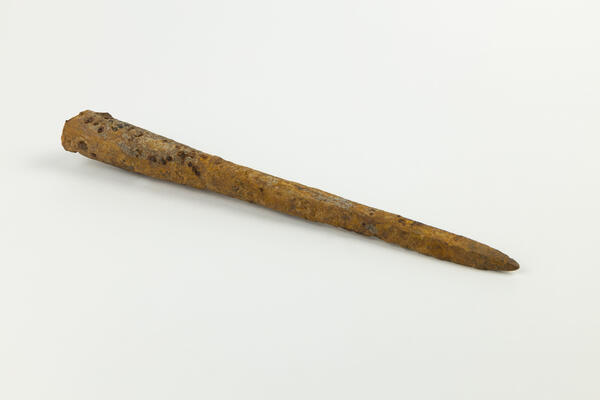
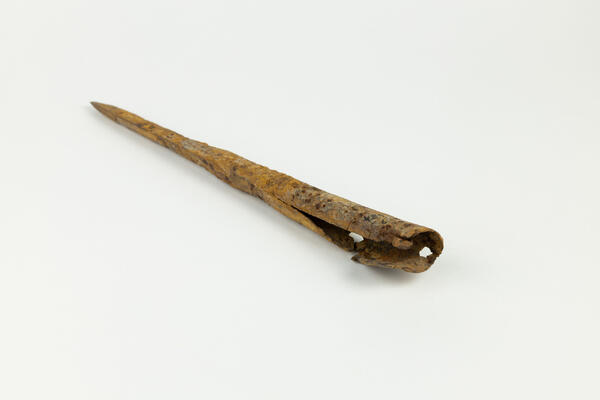
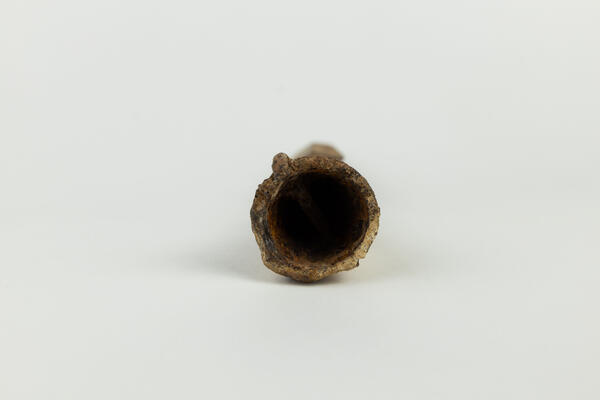
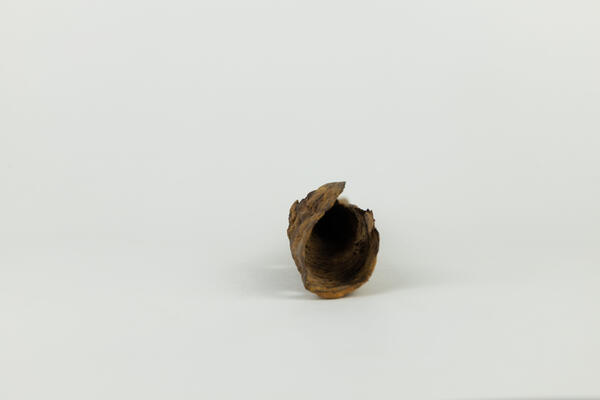
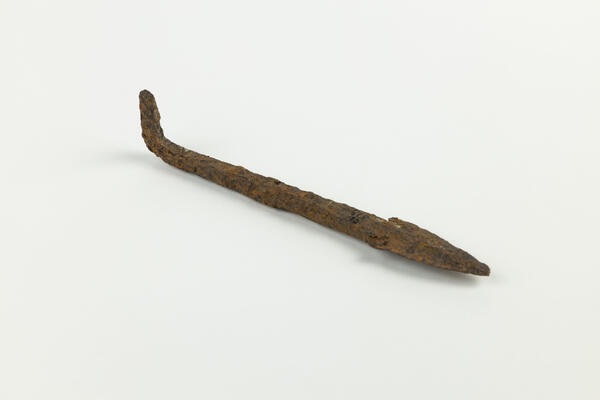
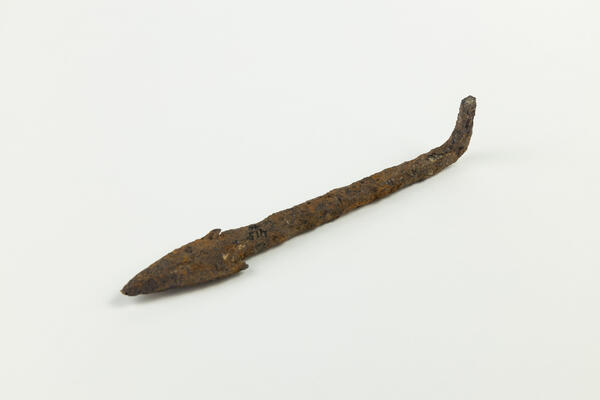
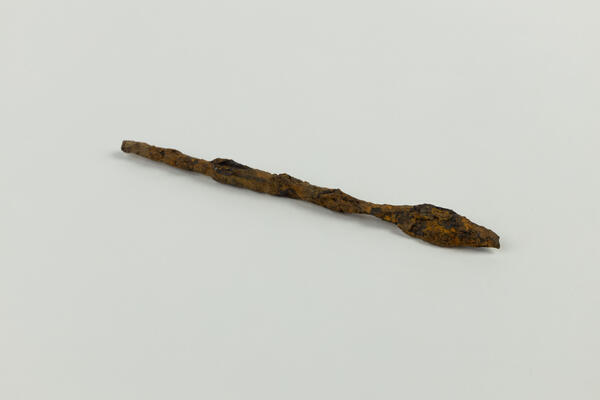
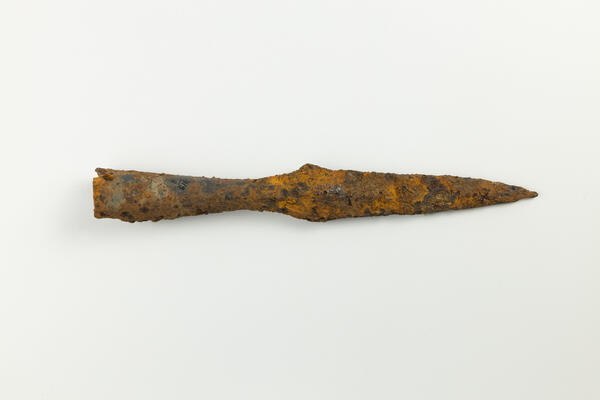
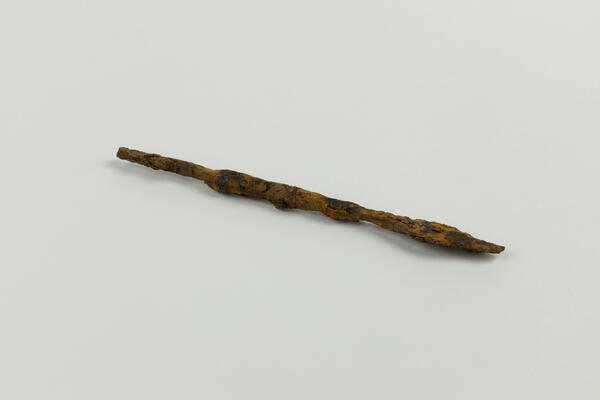
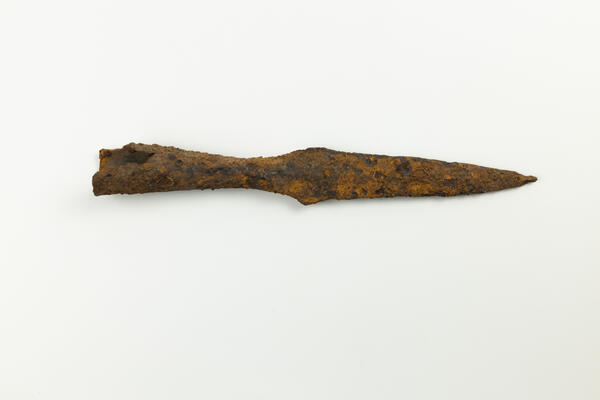
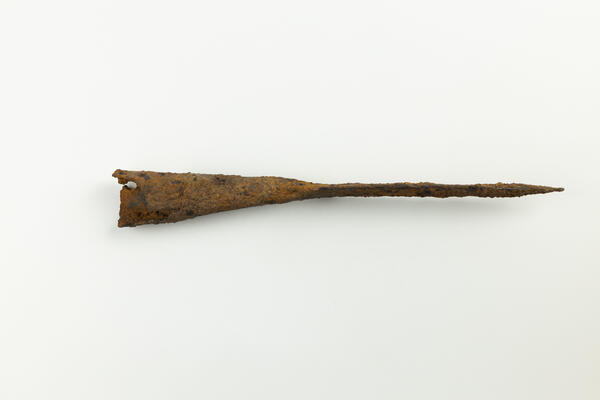
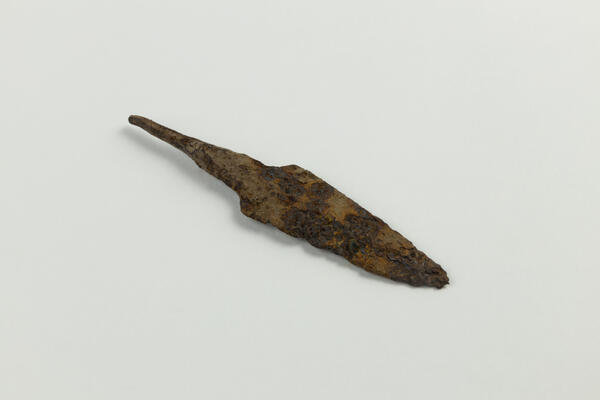
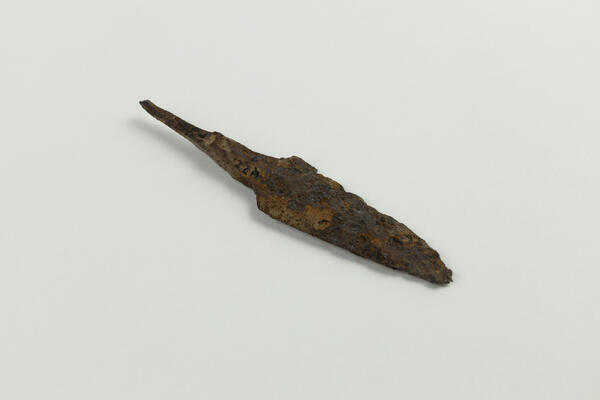
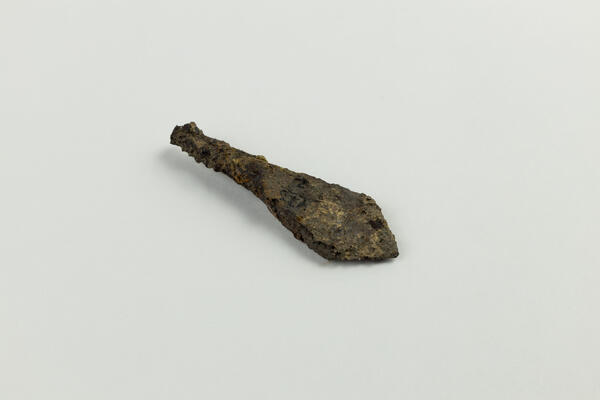
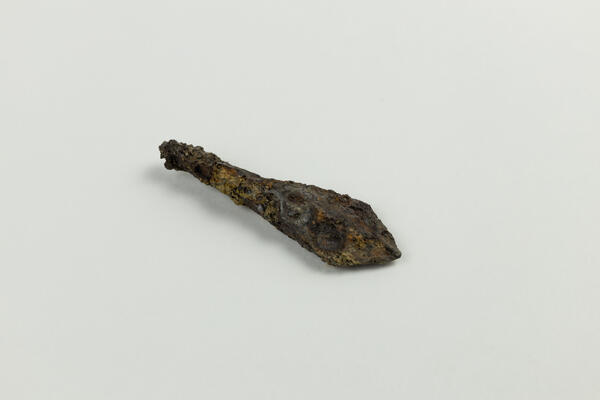
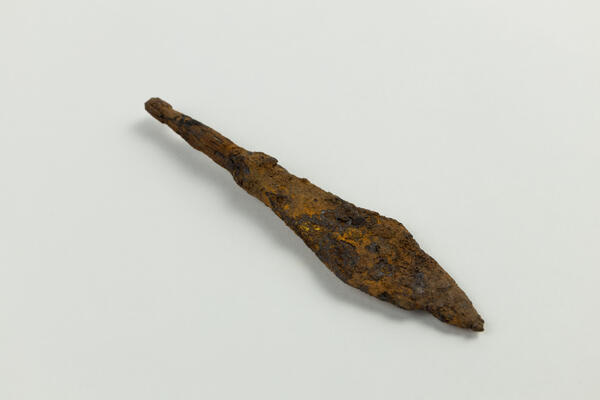
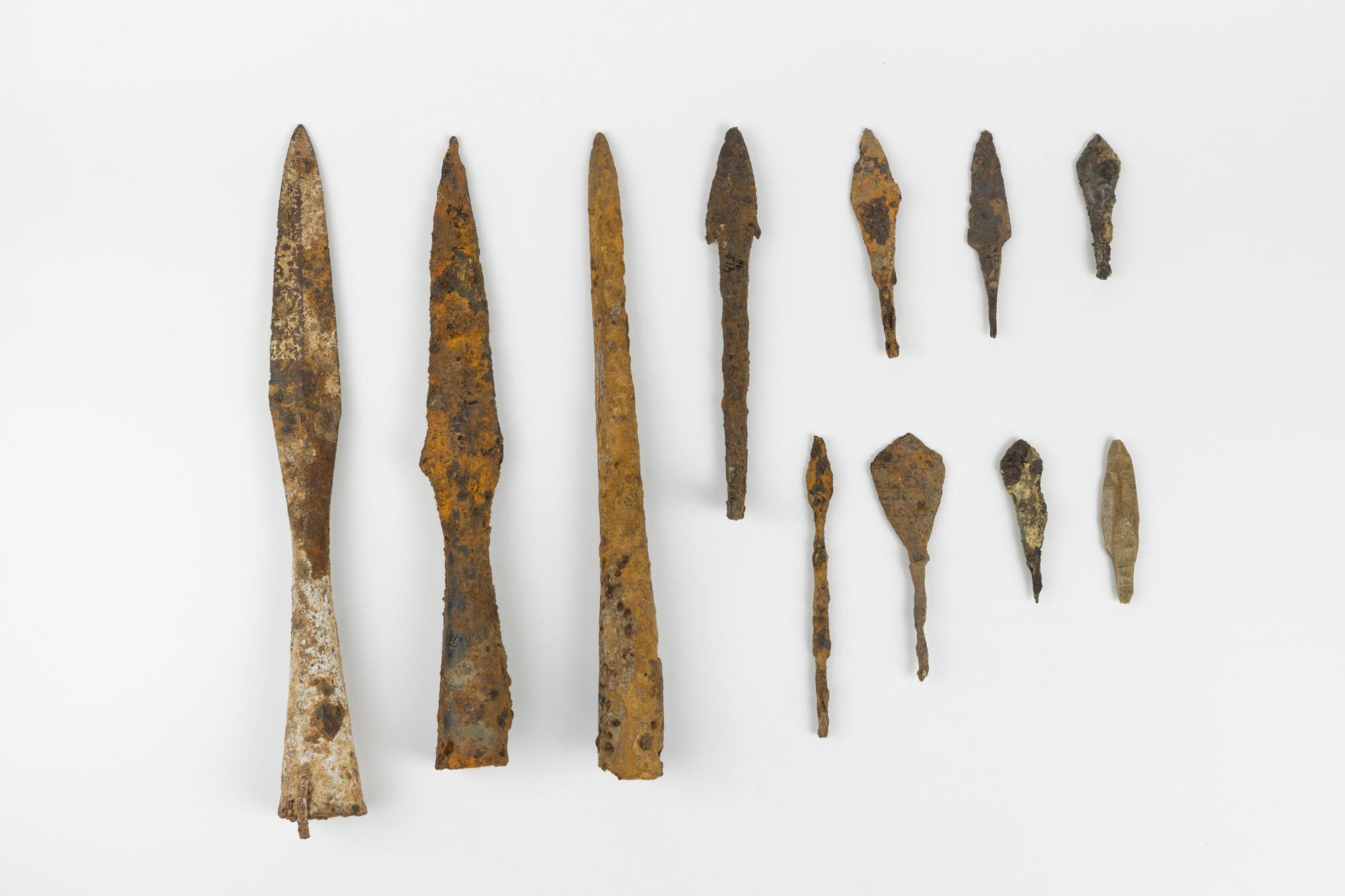
The Glazov Museum of Local Lore presents arrowheads and points of spears and darts found in 1967 in the Pecheshursky burial ground near the village of Pecheshur in the Glazovsky District of Udmurtia. Hunting has always been of great importance for the inhabitants of forested areas, the Udmurts were called forest people. The proximity to Volga Bulgaria, through which large water and land trade routes passed, influenced the development of fur trade, which became the main economic lever of the Kama region. Hunters were paid in fur money — squirrel pelts were officially paid instead of coins, and the tax from the Udmurts after joining the Muscovite Russia was collected in foxes and ermines.
The main commercial animal of the Kama region was the beaver. Beaver pelts have always been considered the warmest, their meat was eaten, and castoreum, an exudate from the castor sacs of beavers, was highly valued. Castoreum was exported to the countries of the Middle East and was considered a magical cure for all diseases. Moose and reindeer hunting was popular as well, their meat was a major part in the diet of medieval Udmurts. Pelts of hares, martens, wolverines, as well as game meet — wood grouse, black grouse, hazel grouse, wild duck, white partridge, and black stork — were considered valuable. Bear hunting was a sacred ritual, the hunters asked the bear for forgiveness and called it grandfather. The Udmurts conducted organized raids on wolves in order to protect their territory and areas for cattle grazing in forests.
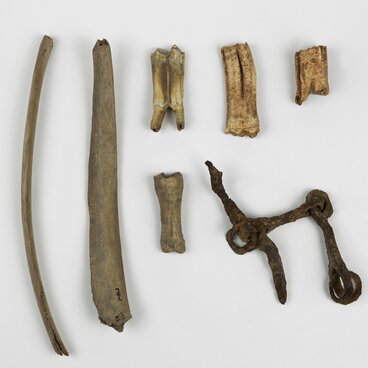
The main hunting weapon of the Udmurts was a bow and arrow. Arrowheads in different eras were made of stone, bronze and iron, as well as bone. The Medieval Udmurts also used spears and darts for hunting, set jaw traps and other types of traps, as well as snares made of horsehair. To lure birds, hunters used decoys made of marten or sable bones. Among other tricks, the Vyatka hunters made well-camouflaged trapping pits and smeared trees with sticky resin.
The Glazov Museum of Local Lore presents arrowheads and points of spears and darts found in 1967 in the Pecheshursky burial ground near the village of Pecheshur in the Glazovsky District of Udmurtia. Hunting has always been of great importance for the inhabitants of forested areas, the Udmurts were called forest people. The proximity to Volga Bulgaria, through which large water and land trade routes passed, influenced the development of fur trade, which became the main economic lever of the Kama region. Hunters were paid in fur money — squirrel pelts were officially paid instead of coins, and the tax from the Udmurts after joining the Muscovite Russia was collected in foxes and ermines.
The main commercial animal of the Kama region was the beaver. Beaver pelts have always been considered the warmest, their meat was eaten, and castoreum, an exudate from the castor sacs of beavers, was highly valued. Castoreum was exported to the countries of the Middle East and was considered a magical cure for all diseases. Moose and reindeer hunting was popular as well, their meat was a major part in the diet of medieval Udmurts. Pelts of hares, martens, wolverines, as well as game meet — wood grouse, black grouse, hazel grouse, wild duck, white partridge, and black stork — were considered valuable. Bear hunting was a sacred ritual, the hunters asked the bear for forgiveness and called it grandfather. The Udmurts conducted organized raids on wolves in order to protect their territory and areas for cattle grazing in forests.
The main hunting weapon of the Udmurts was a bow and arrow. Arrowheads in different eras were made of stone, bronze and iron, as well as bone. The Medieval Udmurts also used spears and darts for hunting, set jaw traps and other types of traps, as well as snares made of horsehair. To lure birds, hunters used decoys made of marten or sable bones. Among other tricks, the Vyatka hunters made well-camouflaged trapping pits and smeared trees with sticky resin.