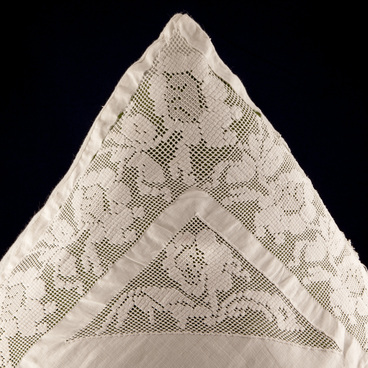
The knitting of stay-ups and mittens was one of the most common crafts of the Gorokhovets sheading. 9.4% of all the sheading manufacturers of both sexes and 40.4% of women were employed in knitting of mittens. Usually they were engaged in this handicraft only in the winter period, since in summer the people were in some other crafts. The craft has been developing year after year, since the sales market was very wide – all the cold and frosty Russia; in the other provinces this handicraft was rather underdeveloped. The benefit of the residents of the Gorokhovets sheading was 1 ruble per week. The poor earnings forced to exploit the child labor in families. This greatly affected the literacy, as many children were not allowed to go to school due to the fact that they need to knit mittens. As for the knitting process itself, it does not require much skill. You can learn in 1 month. The knitting was usually done in the free time, but the core work began in September and continued to the Lent. They worked from early morning, as soon as the light came, and till late at night. To brighten a little the boring, monotonous work, the young people, men and women, usually gathered in someone’s hut and in conversations and jokes, which were sometimes accompanied by playing the squeezebox, spent the long winter evenings. Such gatherings were also beneficial in terms of the cost of lighting: the common kerosene was brought in turn. The knitting did not have a bad effect on vision, since the night knitter did not look at the work. Even the blind could knit. Nowadays this handicraft is not so widespread. The knitting of woolen mittens and stay-ups switched over to the machine production.


#1

Knitwork
#2
#3
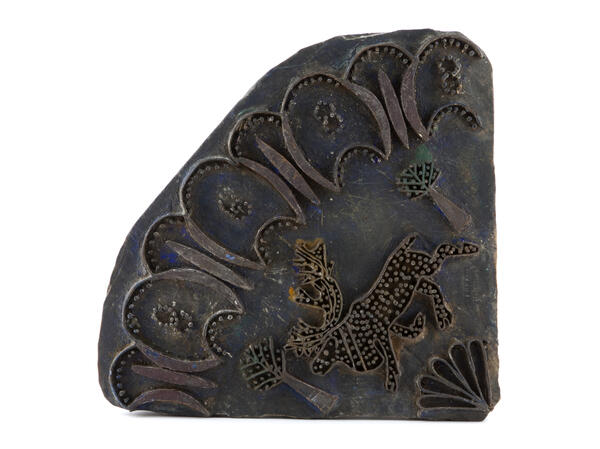
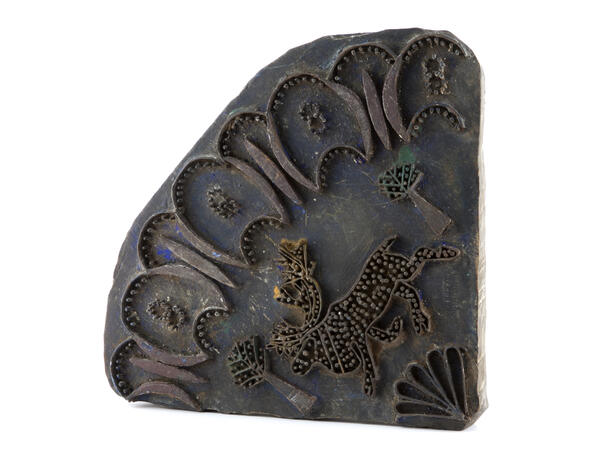
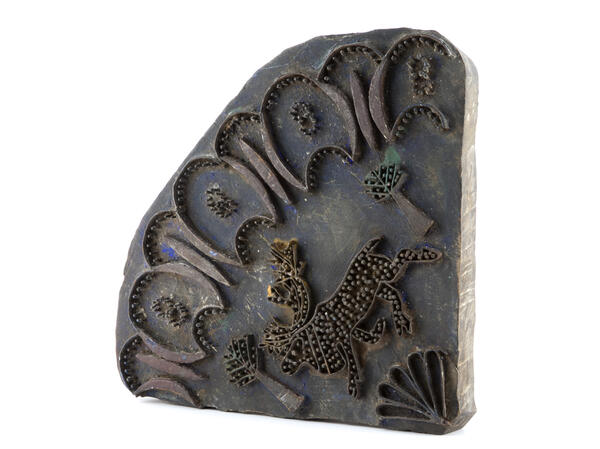
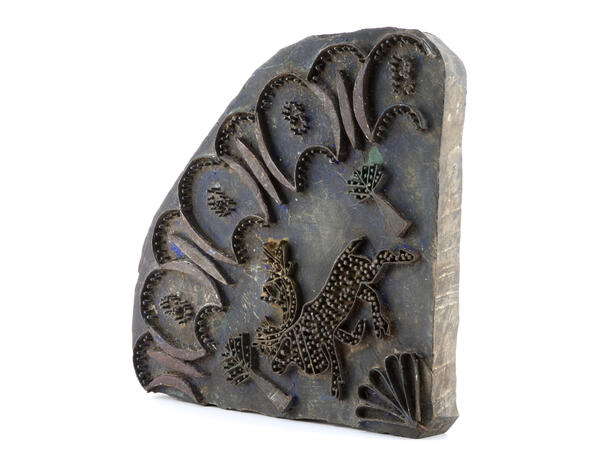
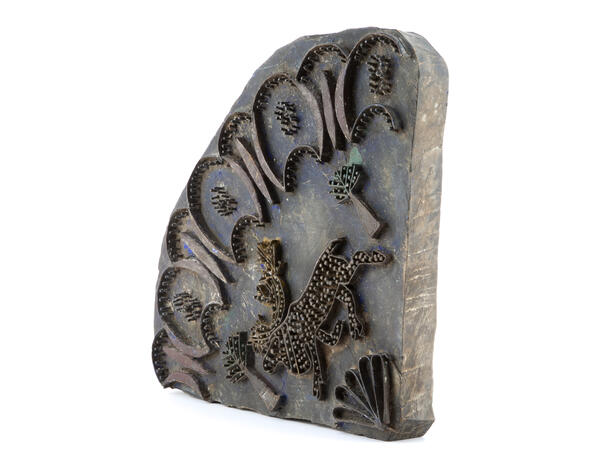
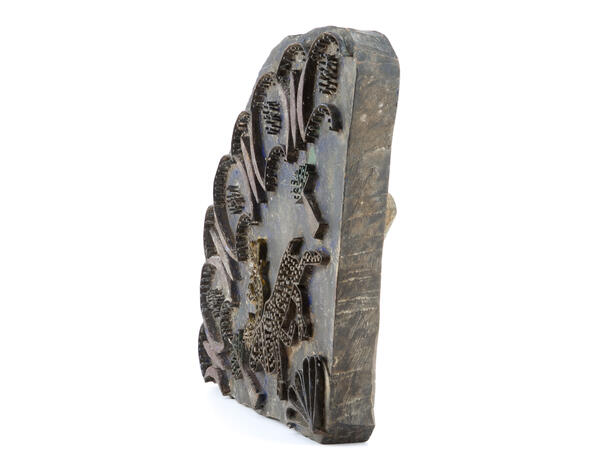
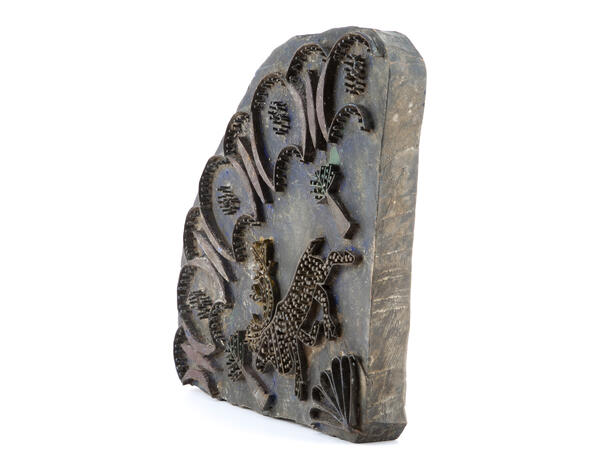
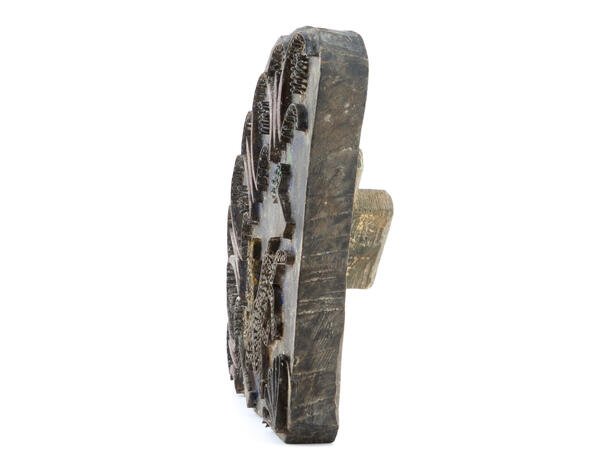
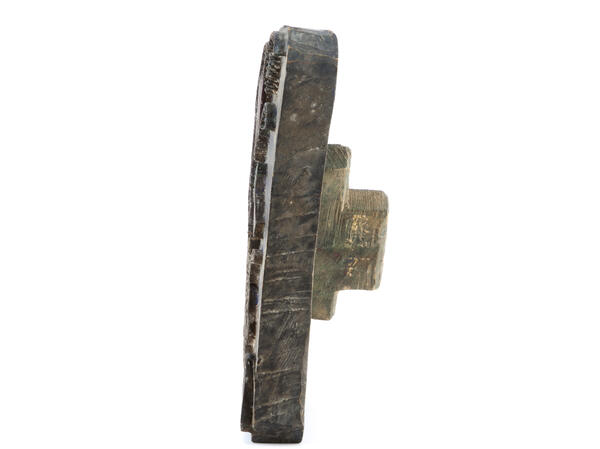
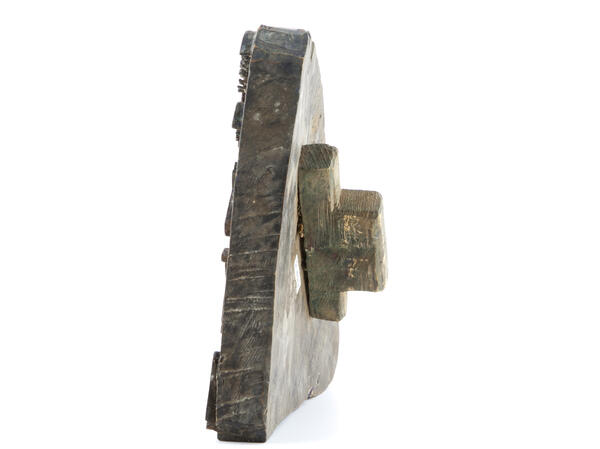
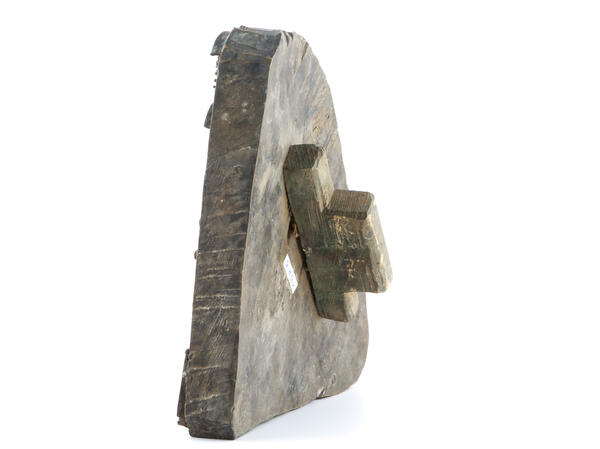
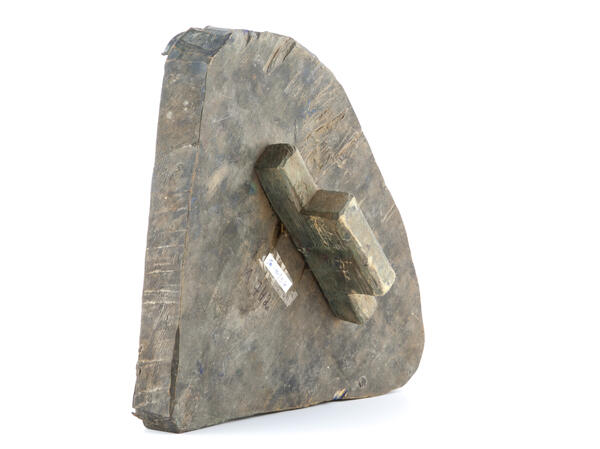
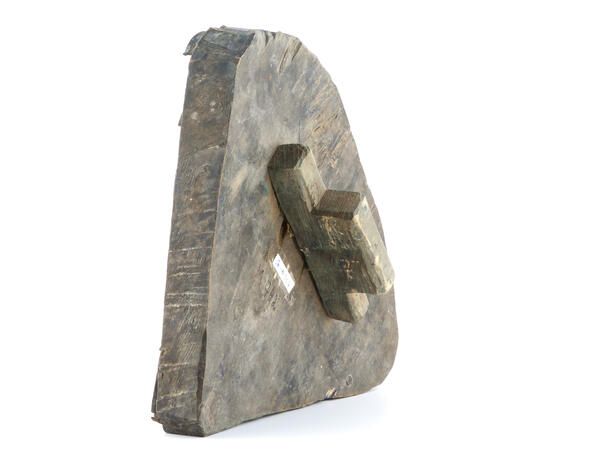
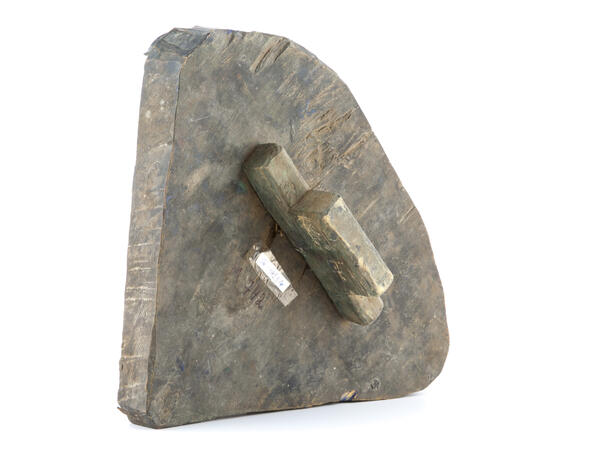
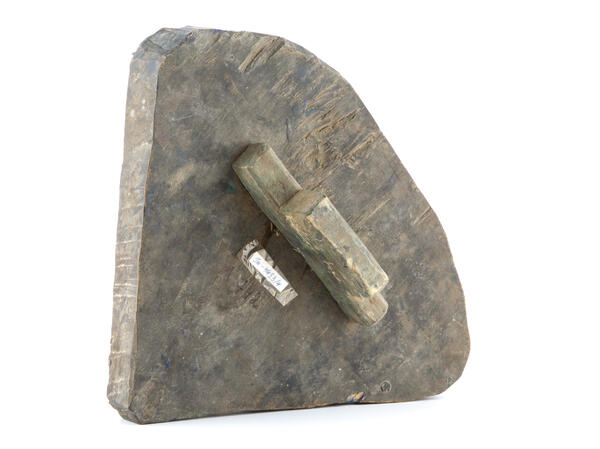
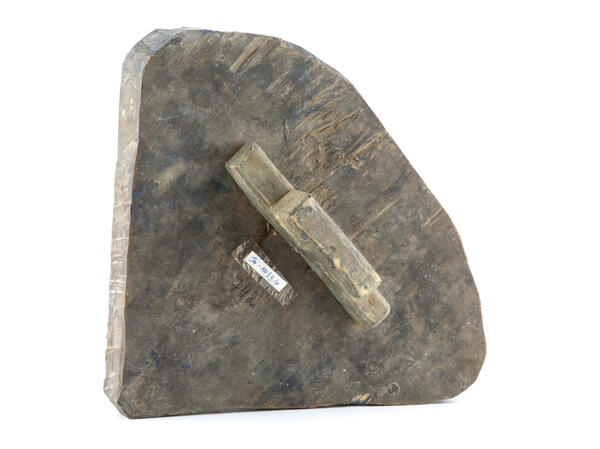
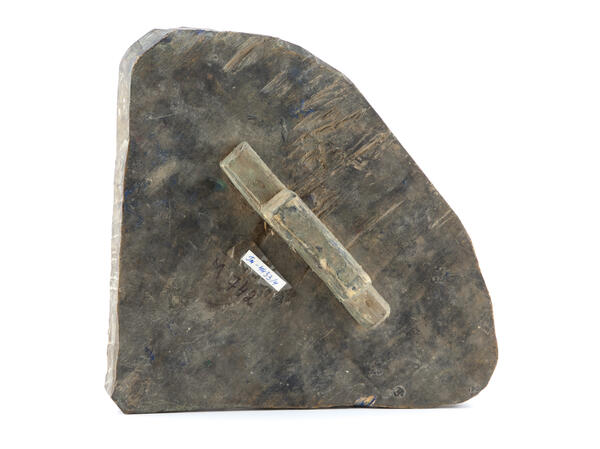
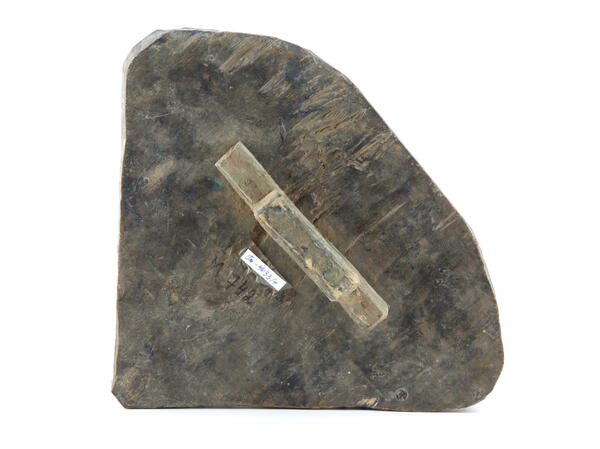
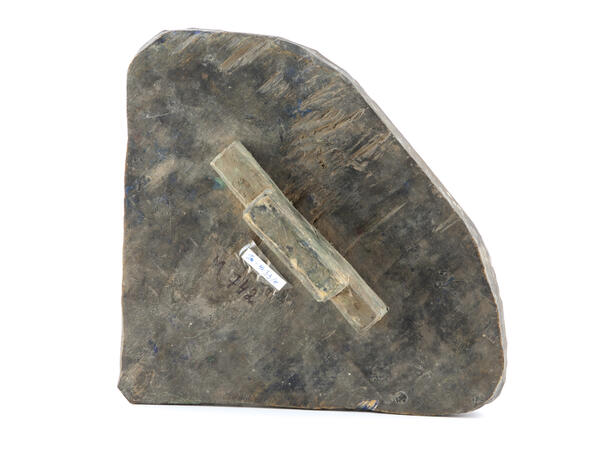
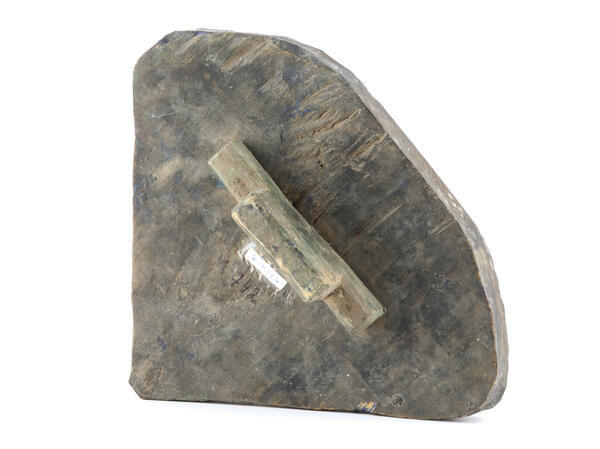
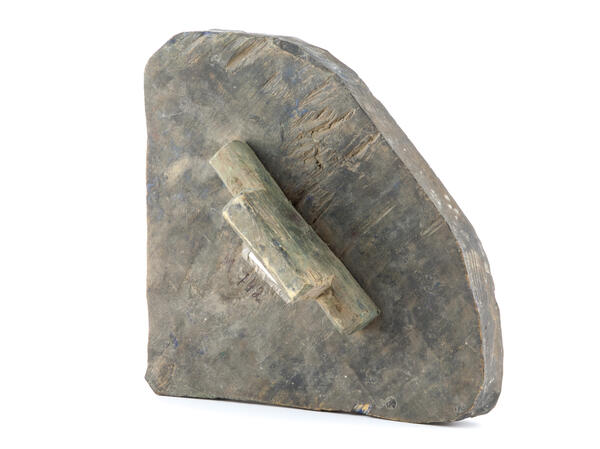
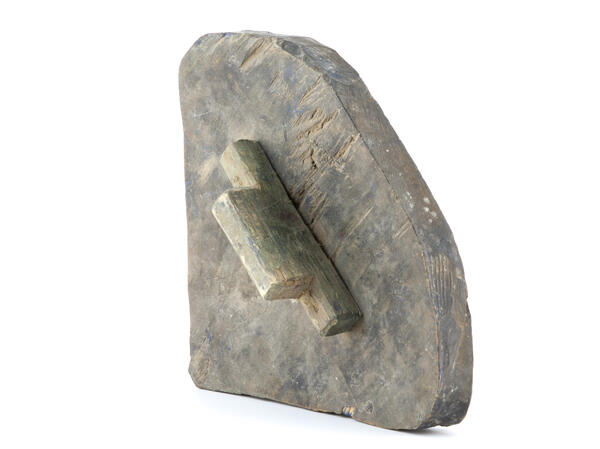
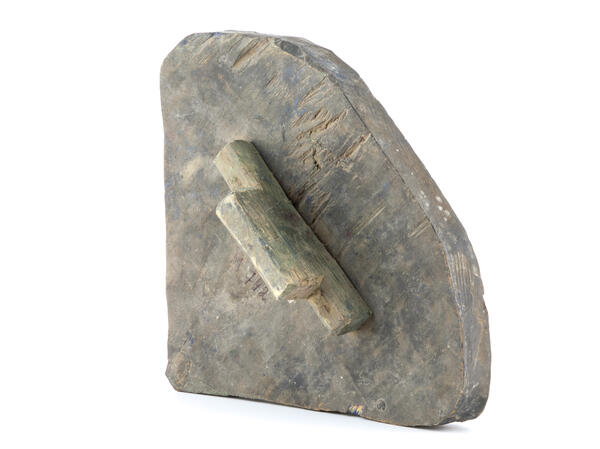
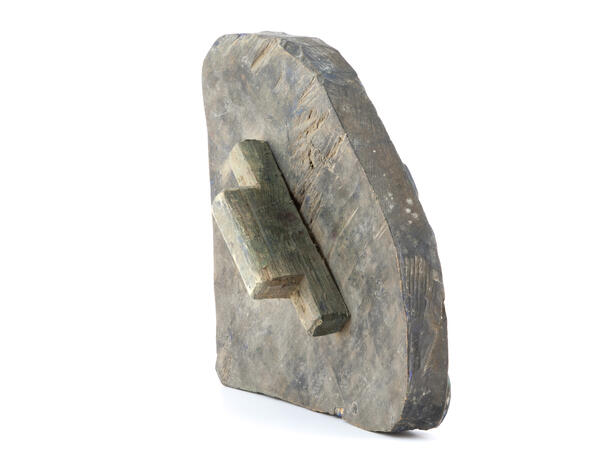
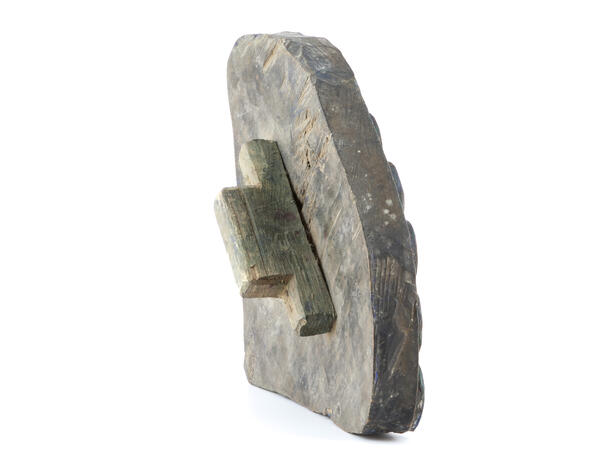
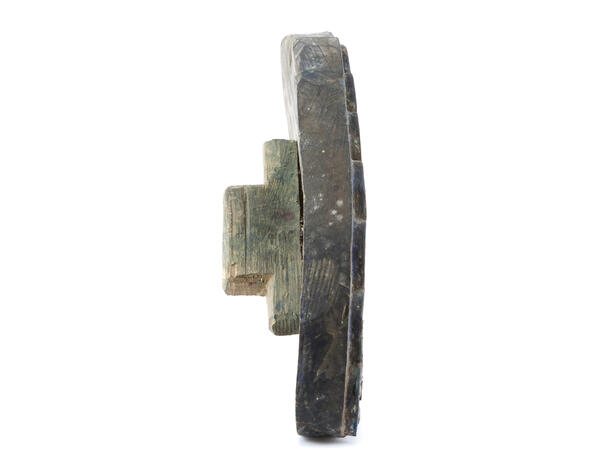
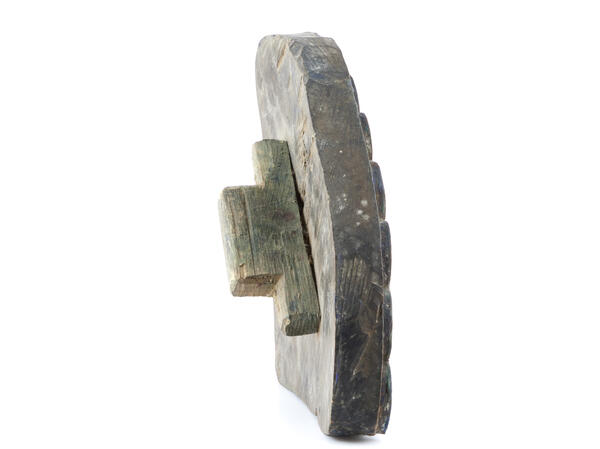
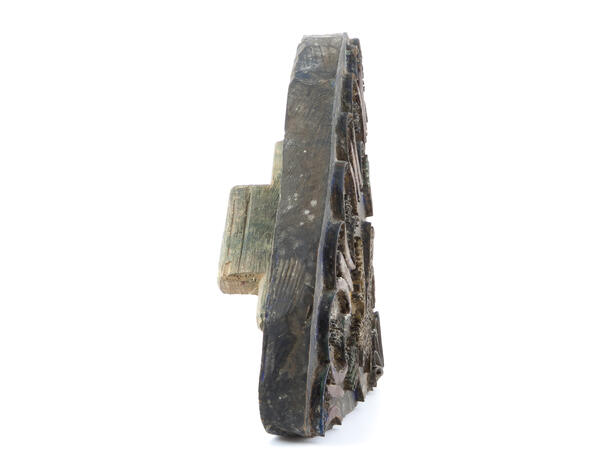
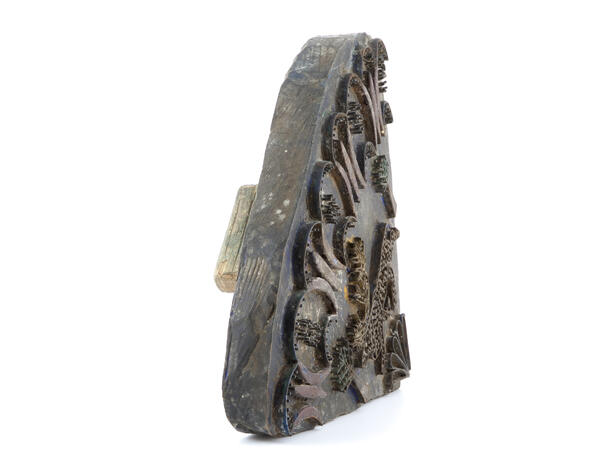
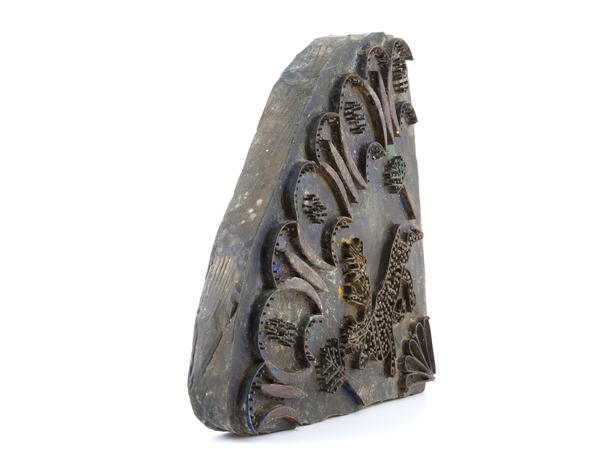
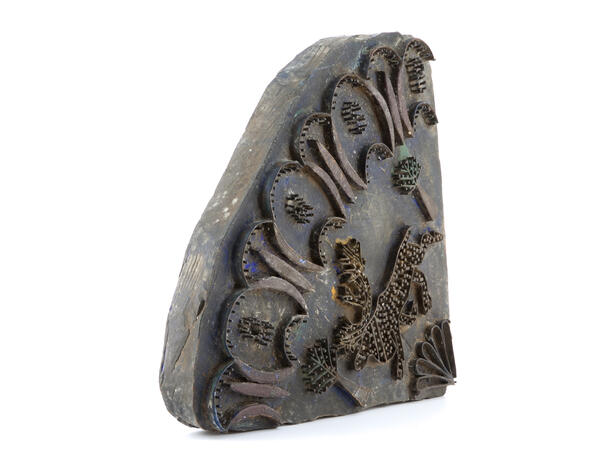
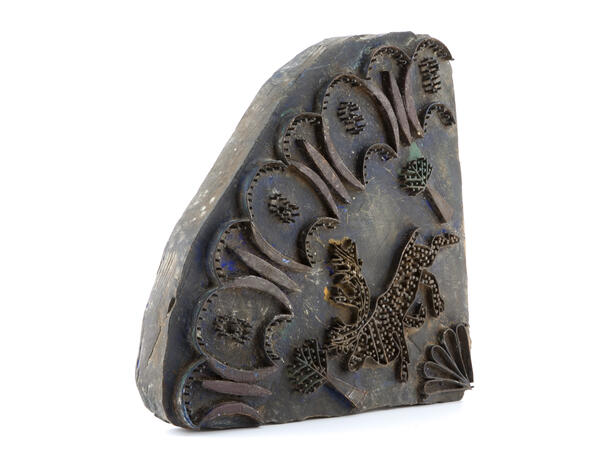
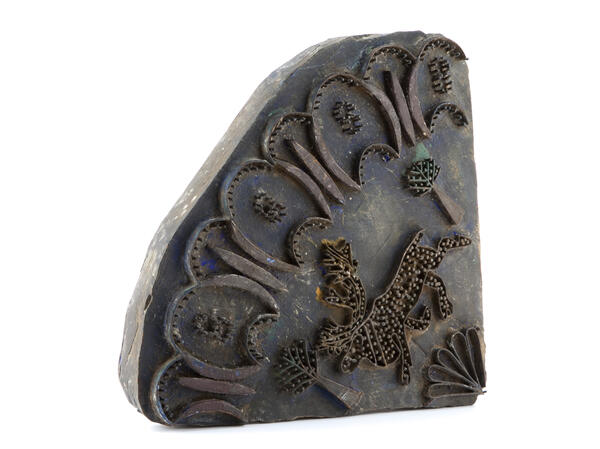
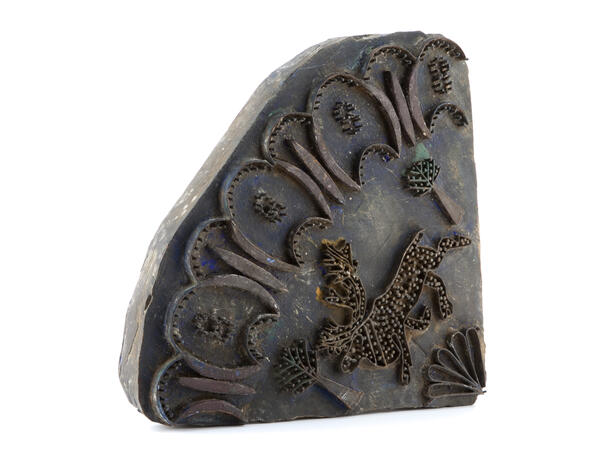
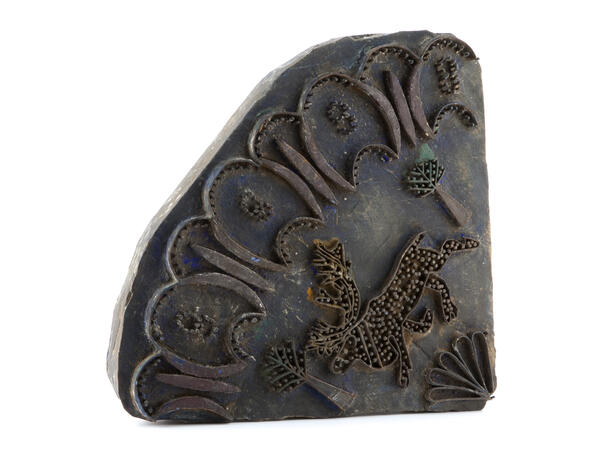
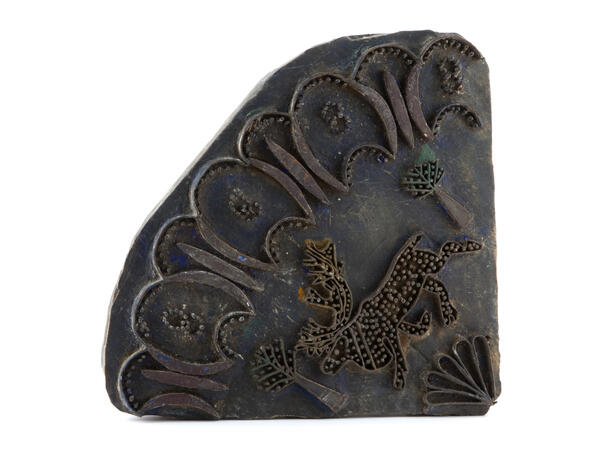
The metal padding on the wooden base
#4
The technology of the printed fabric manufacturing has been known in Russia since at least the 10th century. The mass production of printed cloth and the heyday of industries engaged in the printed fabric manufacturing fell on the 18th – the first half of the 19th century.
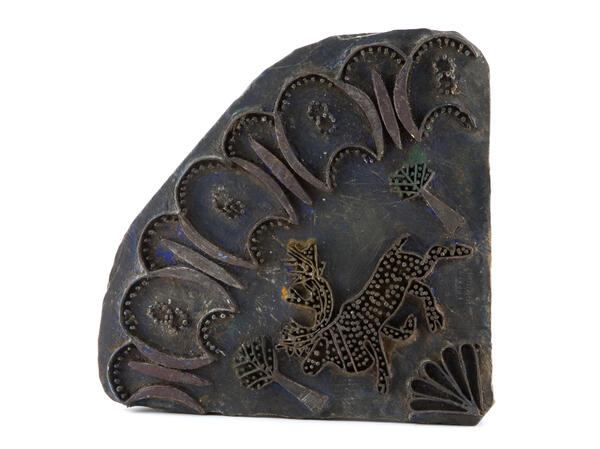
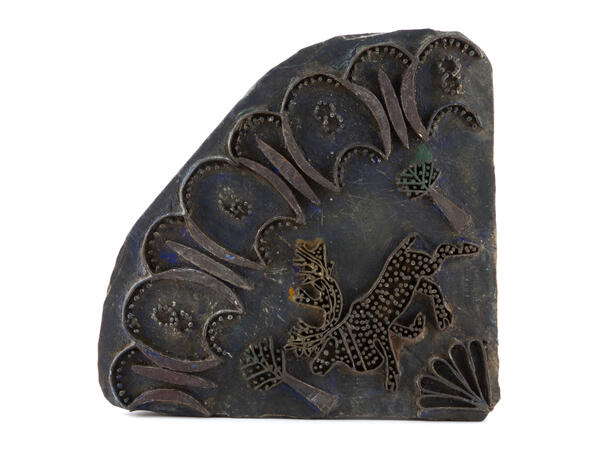
In the 18th century the large complex prints were widely-distributed in the Russian printed cloth, and in the 19th century – the smaller drawings. The small print stamps became an article of daily use, they were sold at fairs everywhere. For the printed cloth the wooden forms-stamps with a print were made. The manufacture of such forms is a special art of the cutter. There may be used the carved wooden forms, so called patterns, or the coppered blocks – the copper plates with the small nails, where the print is composed from the copper plates or wire. For multicolored drawings the number of the printing forms should correspond to the number of colors. There were masters, the specialists in the vat printing, who could give the fabrics different shades of blue, at the request of the customer. They were called the ‘blue-dyers’. The method itself consisted in the white textiles printing with the wax or clay. Then it was dipped into the vat with dye. At the end of the operation the wax or clay, and in most cases the special compound consisting of wax, starch, gelatin or any resin – so called ‘vapa’, was removed and there was obtained the blue fabric with white lines in the prints. The ‘vapa’ did not allow the fabric to cover with paint in places of the prints. It was too much for the individual craftsman to make the cloth printing, as this required a lot of labor force and the special equipment. It was profitable to band together in the gangs. The gangs took the orders at fairs. To do this they learned how to make the specimens. Nowadays this industry does not have the same scale and is almost replaced by the machine production at the factories. But the hand painting lives on, and the traditions continue. A lot of master classes are held, and there are also the workshops for the manufacture of the hand-printed fabrics.
In the 18th century the large complex prints were widely-distributed in the Russian printed cloth, and in the 19th century – the smaller drawings. The small print stamps became an article of daily use, they were sold at fairs everywhere. For the printed cloth the wooden forms-stamps with a print were made. The manufacture of such forms is a special art of the cutter. There may be used the carved wooden forms, so called patterns, or the coppered blocks – the copper plates with the small nails, where the print is composed from the copper plates or wire. For multicolored drawings the number of the printing forms should correspond to the number of colors. There were masters, the specialists in the vat printing, who could give the fabrics different shades of blue, at the request of the customer. They were called the ‘blue-dyers’. The method itself consisted in the white textiles printing with the wax or clay. Then it was dipped into the vat with dye. At the end of the operation the wax or clay, and in most cases the special compound consisting of wax, starch, gelatin or any resin – so called ‘vapa’, was removed and there was obtained the blue fabric with white lines in the prints. The ‘vapa’ did not allow the fabric to cover with paint in places of the prints. It was too much for the individual craftsman to make the cloth printing, as this required a lot of labor force and the special equipment. It was profitable to band together in the gangs. The gangs took the orders at fairs. To do this they learned how to make the specimens. Nowadays this industry does not have the same scale and is almost replaced by the machine production at the factories. But the hand painting lives on, and the traditions continue. A lot of master classes are held, and there are also the workshops for the manufacture of the hand-printed fabrics.
#5
#6
Gorokhovets History and Architecture Museum
read morehide
Padding and knitwork
Creation period
Late 19th - early 20th century
Exhibition
0
 Point your smartphone camera to open in the app
Open in app
Share