Hunting was the leading occupation of the Shors until the October Revolution of 1917, and in the mountain taiga regions it has retained its importance to this day.
At the age of 12–14, boys began to learn hunting. Just like adults, they traveled tens and hundreds of kilometers on skis, participated in raids, and lived in taiga hunting booths. By the age of 18, the experience they had gained allowed them to be considered mature hunters.
In ancient times, the Shors mainly hunted large animals (Altai wapiti, deer, elk, bear, roe deer), which provided a lot of meat. Later, with the development of trade relations, the harvesting of valuable fur-bearing animals became important: sable, weasel, foxes, squirrels, otters, and ermine.
The autumn hunting season continued from mid-October to mid-November, followed by the winter one, and finally the longest winter-spring season came, when the groups of hunters would wander from 50 up to 200 kilometers away from home. The preparation for the tedious and difficult process of hunting was thorough: the Shors repaired and sometimes even sewed new clothes and boots, assembled and checked guns, traps, axes, pots and cups, and prepared food.
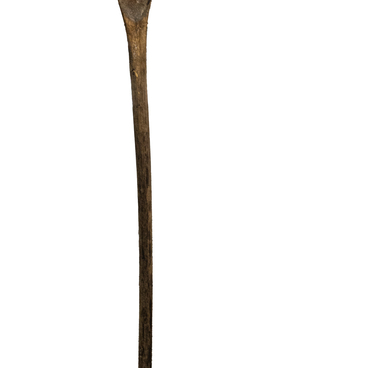
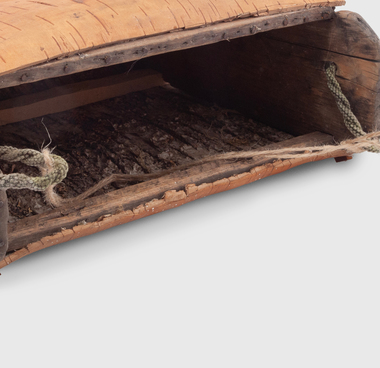
The Shor hunters put all this on wooden “shanak” sleds, which they pulled behind them, walking on straight, wide skis. “Shana” skis were made from bird cherry or birch wood; the runners were covered with “kamus” so that deep snow would not slow down the movement.
Kamus is the skin from the legs of animals from the deer family (reindeer, elk, roe deer, Altai wapiti, musk deer), horses or pinnipeds. This skin has particularly strong and tough hair.
Hunters who have been using this material for a long time are familiar with the advantages of each “variety”. Horse kamus is considered the best, elk kamus is valued for its strength, and reindeer kamus is soft, does not squeak while moving and, thus, does not attract unnecessary attention to a person.
The kamus fur serves as a kind of guide tracks: if
they move to the sides, the skis will also begin to move away from the straight
track. Therefore, the skins were selected in such a way that the pile ran
parallel to the edges of the ski board.