Many East Slavic peoples used eggs in their spring rituals. On Easter, eggs were exchanged during greetings; peasants put a red egg in the grain that was to be sowed. On the day of Ascension, colored eggs were thrown into the field so that the rye would grow tall.
At the same time, eggs were by no means everyday food. In “Domostroy”, a book written in the 16th and 17th centuries, eggs were mentioned only a few times. Probably the reason was that eggs used to be very small — about two dozens were needed for an ordinary scrambled egg meal. In Europe, eggs were also served only on special occasions.
It was not until the 17th century that new breeds of chickens appeared (about a hundred new breeds in total) — and the attitude towards eggs changed. In 1651, “Le Cuisinier Français” was describing dozens of egg dishes, and eggs soon came into common use in Europe.
In Russia, thoroughbred chickens appeared later, in the second half of the 18th century. Vasily Levshin devoted an entire section of his popular recipe book (1795) to cooking all kinds of scrambled eggs and omelets. In the middle of the 19th century, in another equally popular “Complete Cookbook of an Experienced Russian Housewife” Ekaterina Avdeeva gave a detailed overview of what eggs could be bought in the capital and what one had to take into account. “Sometimes the egg extremely unceremoniously speaks of its worthlessness, ” the author wrote. “This variety of eggs, easily bypassed by all customers, is called ‘tumak’ by common people.” “Tumak” eggs have opaque dark contents. “Klechik”, which was brought to the capital from the southern governorates, was considered the best variety of eggs.
The 19th century was the prime of egg cooking. There were egg cakes, puddings, drinks, and cheeses. Eggs were added to dough for pancakes, pies and noodles. Wealthy people could treat themselves to a “hare under egg snow” or an “elephant egg”. Chilled egg yolks, sugar and rum were used to make the fashionable eggnog drink, believed to heal the throat and improve the voice of professional singers.
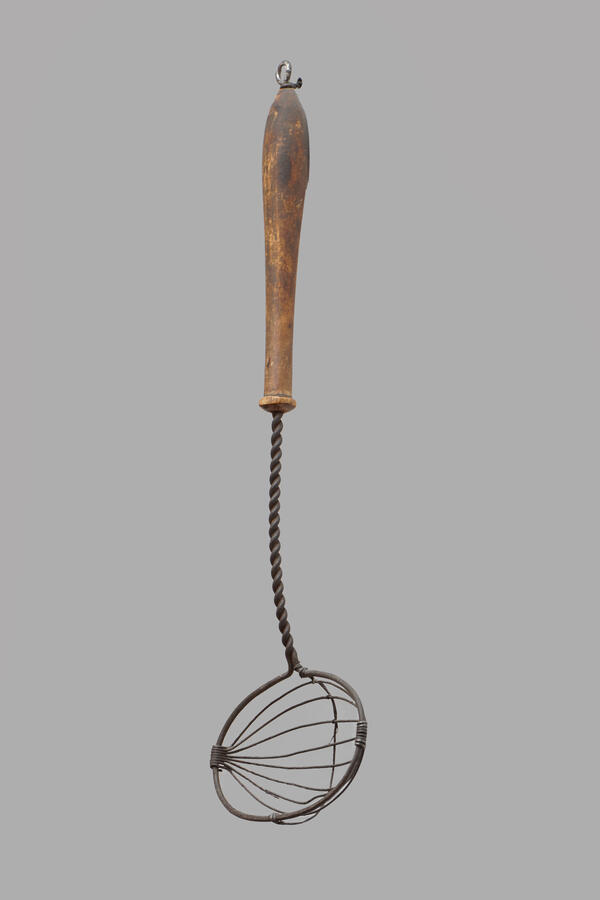
The most familiar everyday dish for many generations has been a simple boiled egg. For cooking, ladles, pots, and sometimes even samovars were used: a gauze bag with an egg was dipped into boiling water, and the “tail” was fastened with the lid. Special kitchen spoons were used to take the boiled egg out of hot water without burning oneself. The spoon had a long handle (usually it was twisted from thick wire), ending with an oval wire mesh scoop. Water seeped through the spoon, and the egg remained in the scoop. Sometimes the top half of the handle was made of wood to protect fingers from burns.
At the same time, eggs were by no means everyday food. In “Domostroy”, a book written in the 16th and 17th centuries, eggs were mentioned only a few times. Probably the reason was that eggs used to be very small — about two dozens were needed for an ordinary scrambled egg meal. In Europe, eggs were also served only on special occasions.
It was not until the 17th century that new breeds of chickens appeared (about a hundred new breeds in total) — and the attitude towards eggs changed. In 1651, “Le Cuisinier Français” was describing dozens of egg dishes, and eggs soon came into common use in Europe.
In Russia, thoroughbred chickens appeared later, in the second half of the 18th century. Vasily Levshin devoted an entire section of his popular recipe book (1795) to cooking all kinds of scrambled eggs and omelets. In the middle of the 19th century, in another equally popular “Complete Cookbook of an Experienced Russian Housewife” Ekaterina Avdeeva gave a detailed overview of what eggs could be bought in the capital and what one had to take into account. “Sometimes the egg extremely unceremoniously speaks of its worthlessness, ” the author wrote. “This variety of eggs, easily bypassed by all customers, is called ‘tumak’ by common people.” “Tumak” eggs have opaque dark contents. “Klechik”, which was brought to the capital from the southern governorates, was considered the best variety of eggs.
The 19th century was the prime of egg cooking. There were egg cakes, puddings, drinks, and cheeses. Eggs were added to dough for pancakes, pies and noodles. Wealthy people could treat themselves to a “hare under egg snow” or an “elephant egg”. Chilled egg yolks, sugar and rum were used to make the fashionable eggnog drink, believed to heal the throat and improve the voice of professional singers.
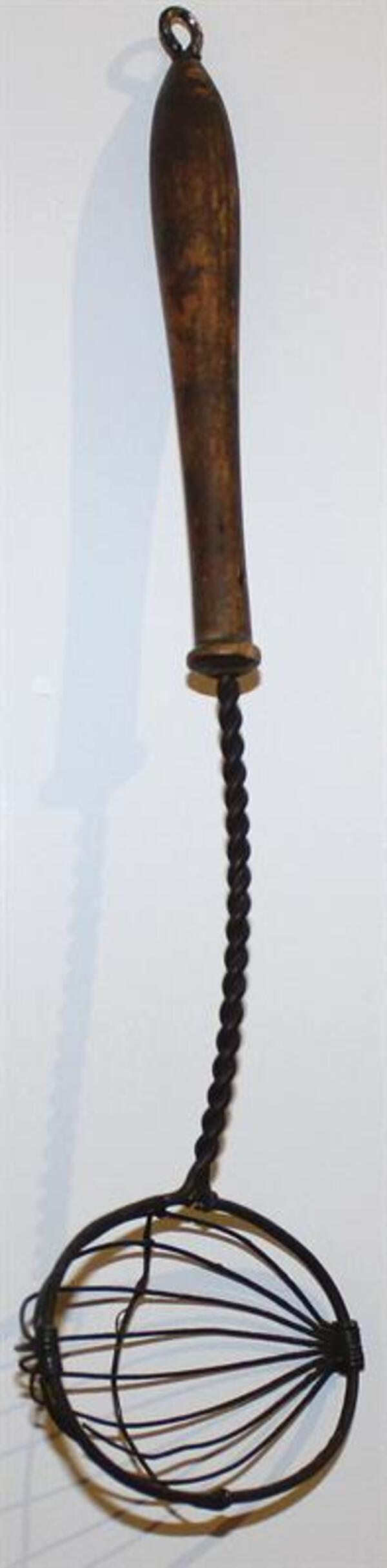
The most familiar everyday dish for many generations has been a simple boiled egg. For cooking, ladles, pots, and sometimes even samovars were used: a gauze bag with an egg was dipped into boiling water, and the “tail” was fastened with the lid. Special kitchen spoons were used to take the boiled egg out of hot water without burning oneself. The spoon had a long handle (usually it was twisted from thick wire), ending with an oval wire mesh scoop. Water seeped through the spoon, and the egg remained in the scoop. Sometimes the top half of the handle was made of wood to protect fingers from burns.