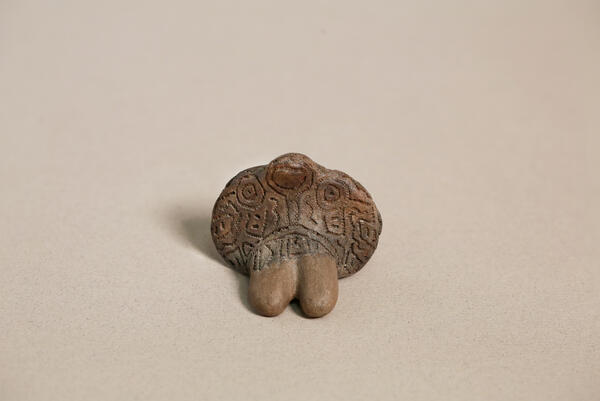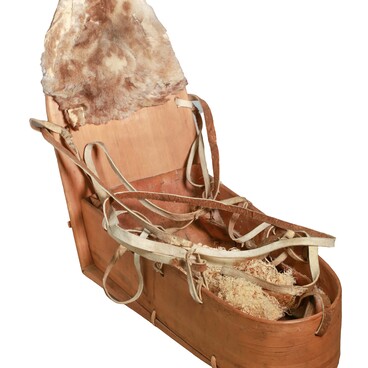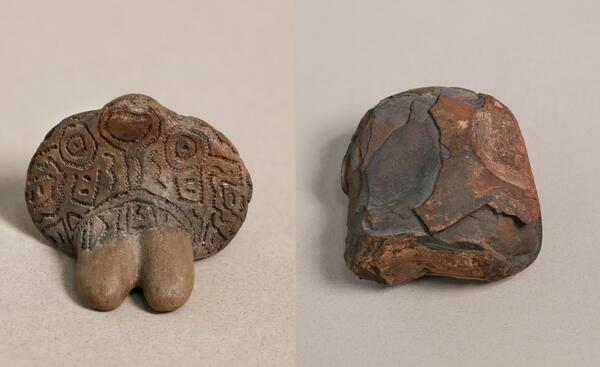
The History of the Salym District — the name of the territory of the modern Nefteyugansk District — started long before the development of Siberia and the discovery of the first oil deposits in Ugra. Archaeological studies claim that the first settlements here appeared in the 6th century BC. In the lower reaches of the Bolshoy Balyk River and the middle and upper reaches of the Salym River, between the Demyanka and Yugan Rivers, settlements and burial sites of the Neolithic era — the New Stone Age — were discovered.
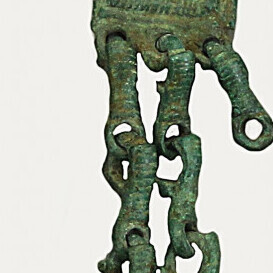
Finished metal items were brought to the territory of the Salym District from neighboring regions: Ural, Altai, Sayan, since the processing technology of this material was mastered there earlier. The trade was carried out for hundreds of years by exchanging furs for metal items.
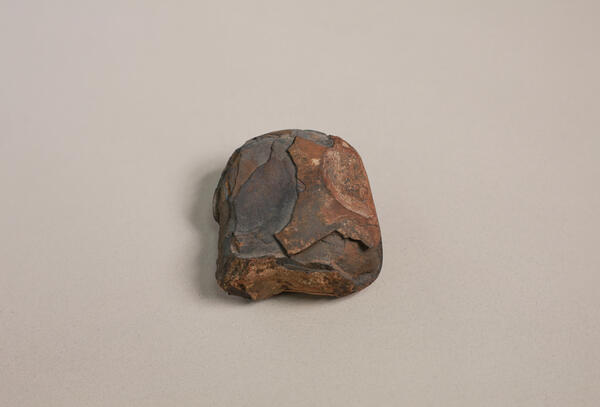
The manufacturing of metal items in the district began due to the discovery of bog iron or brown ore — limonite in the 1st century BC. An ancient Greek word “limonite” means a meadow or a wet place. The deposits of brown ore could be found in these specific places.
Already at the turn of eras, Salym residents used their handmade iron tools. They borrowed the smelting technology from their neighbors who had already mastered metalworking by that time.
Researchers believe, the locals used the bloomery process while working with bog iron. This technology dates back many years, however, the term “bloomery” appeared in the 19th century. That was the name of ore melting, in which air was supplied to the furnace unheated, “wet”, unlike those of steam units of the 19th century. Bloomery furnaces were built in windy places: on the hills or in the foothills. Inside, charcoal mixed with ore was burned. The iron melted and turned down to the furnace bottom plate. The furnaces in the neighboring regions usually resembled a cone with a hole in the bottom part and a gutter for molten slag. The gutter led to a special pit where the liquid alloy was collected. On the territory of the Salym District, the remains of pits were found where there had been soil ignition. Archaeologists suggested that they were fragments of a bloomery furnace.
Later, in the Middle Ages, there were smithies in almost every village where arrowheads and necessary household items were made. In the 15th century, metalworking in the Salym District was partially shut down: ready-made and high-quality products from the Russian State became widespread.
Finished metal items were brought to the territory of the Salym District from neighboring regions: Ural, Altai, Sayan, since the processing technology of this material was mastered there earlier. The trade was carried out for hundreds of years by exchanging furs for metal items.
The manufacturing of metal items in the district began due to the discovery of bog iron or brown ore — limonite in the 1st century BC. An ancient Greek word “limonite” means a meadow or a wet place. The deposits of brown ore could be found in these specific places.
Already at the turn of eras, Salym residents used their handmade iron tools. They borrowed the smelting technology from their neighbors who had already mastered metalworking by that time.
Researchers believe, the locals used the bloomery process while working with bog iron. This technology dates back many years, however, the term “bloomery” appeared in the 19th century. That was the name of ore melting, in which air was supplied to the furnace unheated, “wet”, unlike those of steam units of the 19th century. Bloomery furnaces were built in windy places: on the hills or in the foothills. Inside, charcoal mixed with ore was burned. The iron melted and turned down to the furnace bottom plate. The furnaces in the neighboring regions usually resembled a cone with a hole in the bottom part and a gutter for molten slag. The gutter led to a special pit where the liquid alloy was collected. On the territory of the Salym District, the remains of pits were found where there had been soil ignition. Archaeologists suggested that they were fragments of a bloomery furnace.
Later, in the Middle Ages, there were smithies in almost every village where arrowheads and necessary household items were made. In the 15th century, metalworking in the Salym District was partially shut down: ready-made and high-quality products from the Russian State became widespread.