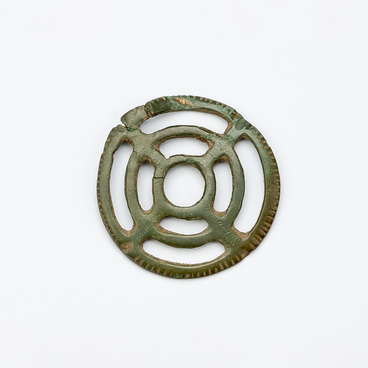
A plowshare is a part of a plow that cuts a layer of soil from below and passes it onto a moldboard. The moldboard lifts a cut portion of the soil, deforms it, turns it over, and dumps it into a furrow.
The Jurchens had various plows designed for plowing virgin and already cleared lands. Subsequently, the land was processed with harrows and shovels. Sickles were used for harvesting, and barns and granaries were built for its storage. Grain was processed into flour by hand mills. By the end of the empire, the Jurchens had windmills.
Agriculture was considered an important occupation among the Jurchens. Land was the property of the state, the main source of income, and the basis of the population’s existence. Agriculture was strongly encouraged by the government. To this end, swamps were drained and virgin lands were plowed. A farmer who plowed virgin land became the owner of that land.
After conquering China, the Jurchens began to use the agricultural advancements of the Chinese. Among the grain crops, they grew various types of millet, rice, as well as wheat, barley, and buckwheat. Among technical crops, they grew flax, hemp, and cotton.
Agriculture in the Jurchen Empire reached a high level of development. Plow-based tillage prevailed, and irrigation was used to bring water to the fields.
There were also special institutions of agricultural inspectors who over the course of a year monitored the cultivation of land, the use of fields, identified wastelands, and recorded lands. All this helped increase the area of arable land and boost yields. Land was leased to peasants on favorable terms, which contributed to the rapid development of agriculture.
Gardening was of great importance. The Jurchens
grew various vegetables: onions, garlic, lobu (a kind of radish), and others.
Horticulture also played a significant role in agriculture. The Jurchens
cultivated pears, apricots, plums, and cherries. Mulberry trees were grown in
large quantities, which were necessary for feeding silkworms. The diverse
species composition of cultivated plants and the presence of legumes indicate
crop rotation. In the Far Eastern countries, the bed system predominated, as
evidenced by the presence of metal parts of plowing tools, such as plowshares
and moldboards, which were adapted for organizing bed fields.