It is believed that the kerosene lamp was created in 1853 in the city of Lviv in Western Ukraine. While walking along the street in the evening, people saw a bright light near one of the pharmacies. It attracted a lot of attention. People visited the building en masse just to see this amazing invention.
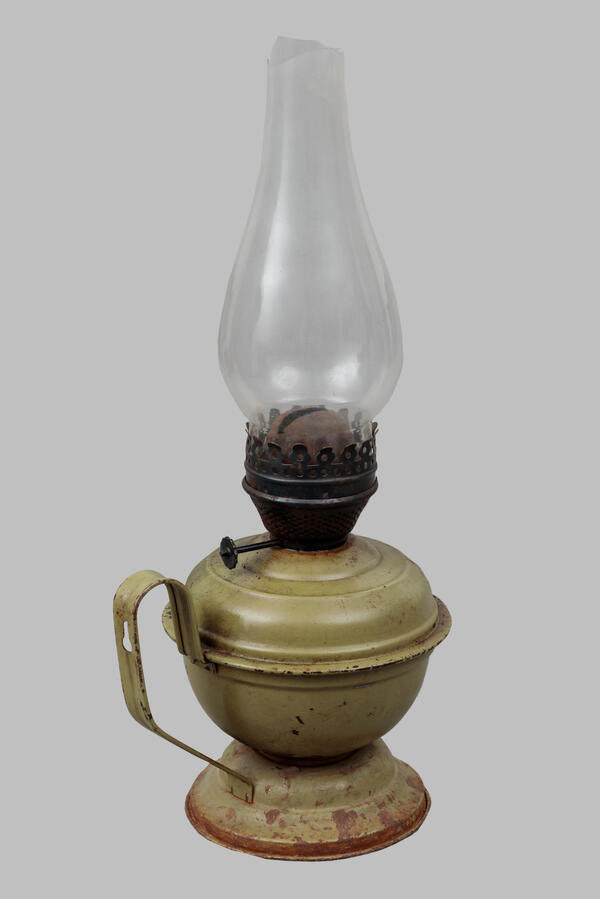
The first lamp looked cumbersome because of the bulky plates surrounding the device. The cylinder-shaped lamp was made of thick metal. At the bottom, there was a container with kerosene. The glass that protected the wick from wind and moisture was above. The pharmacists Ignatius Lukasevich and Jan Zech placed the lamp in their pharmacy.
The light of the lamp was several times brighter than from any other sources known at that time. One kerosene lamp delivered the same amount of light in the room as ten candles. Every year the design became better, making its use more convenient.
An improved kerosene lamp could be compared to a 400-watt electric lamp. At the time of its creation, the properties of kerosene were practically unknown, and therefore many people were wary of this invention. After some time, the safety of the substance and the design itself were confirmed.
People began replacing conventional candles and oil lamps with kerosene devices. Kerosene lamps were in demand because they produced bright light, had an attractive price (as well as the raw materials needed for its operation) and looked smart.
Oil was actively extracted in the second half of the 19th century and in the early 20th century, so kerosene could be cheaply bought at a pharmacy or on the market. Thus, at the end of the 19th century, the product was launched into mass production.
Bronze lamps were standard and most popular, silver or gilded lamps were much less common. Over time, professional artists began to draw sketches for these products. They created original design models.
The device has remained popular to this day. Bright and original kerosene lamps are used to illuminate private areas, as an element of interior décor and by tourists.
The first lamp looked cumbersome because of the bulky plates surrounding the device. The cylinder-shaped lamp was made of thick metal. At the bottom, there was a container with kerosene. The glass that protected the wick from wind and moisture was above. The pharmacists Ignatius Lukasevich and Jan Zech placed the lamp in their pharmacy.
The light of the lamp was several times brighter than from any other sources known at that time. One kerosene lamp delivered the same amount of light in the room as ten candles. Every year the design became better, making its use more convenient.
An improved kerosene lamp could be compared to a 400-watt electric lamp. At the time of its creation, the properties of kerosene were practically unknown, and therefore many people were wary of this invention. After some time, the safety of the substance and the design itself were confirmed.
People began replacing conventional candles and oil lamps with kerosene devices. Kerosene lamps were in demand because they produced bright light, had an attractive price (as well as the raw materials needed for its operation) and looked smart.
Oil was actively extracted in the second half of the 19th century and in the early 20th century, so kerosene could be cheaply bought at a pharmacy or on the market. Thus, at the end of the 19th century, the product was launched into mass production.
Bronze lamps were standard and most popular, silver or gilded lamps were much less common. Over time, professional artists began to draw sketches for these products. They created original design models.
The device has remained popular to this day. Bright and original kerosene lamps are used to illuminate private areas, as an element of interior décor and by tourists.