The 19th-century Russian chocolate factories produced almost the same range of confectionery items that is available to consumers today. Confectionery stores sold chocolate and candies, marmalade and marshmallows, caramel and biscuits.
As the number of confectionery producers was growing, it became more difficult to surprise the buyer. New products and packaging materials were introduced. At first sweets were wrapped in ordinary paper without any design and packaged in little boxes made of cardboard, porcelain, glass, and wood. On some occasions, these could even be lacquer boxes with miniature paintings. Standard mass-produced packaging included boxes or baskets with very basic design. The only choice that confection producers could make was the size of the boxes they ordered — they could go with boxes that accommodated one, one and a half or two pounds of confections. Biscuits were usually packed together or arranged carefully with paper between the layers. Chocolate sweets were placed in a single layer.
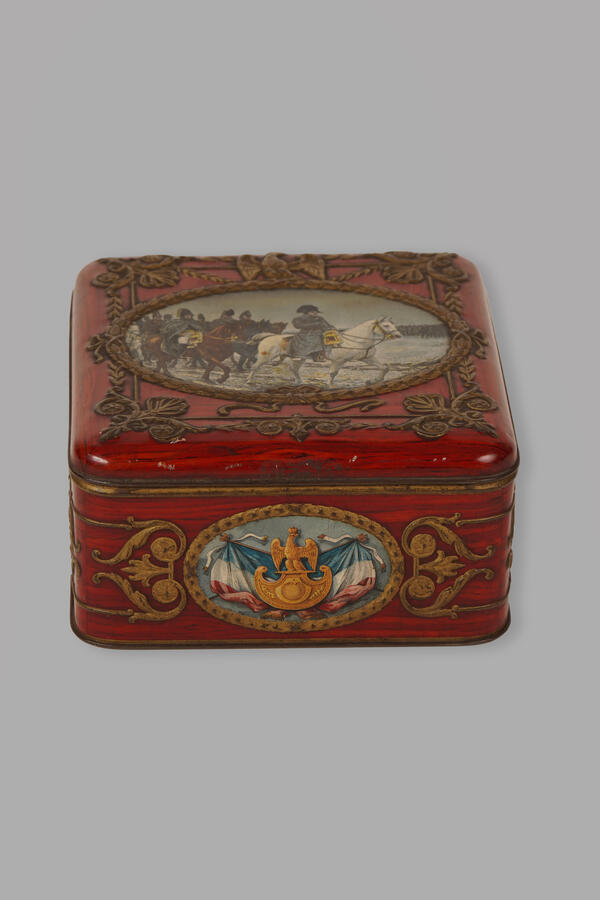
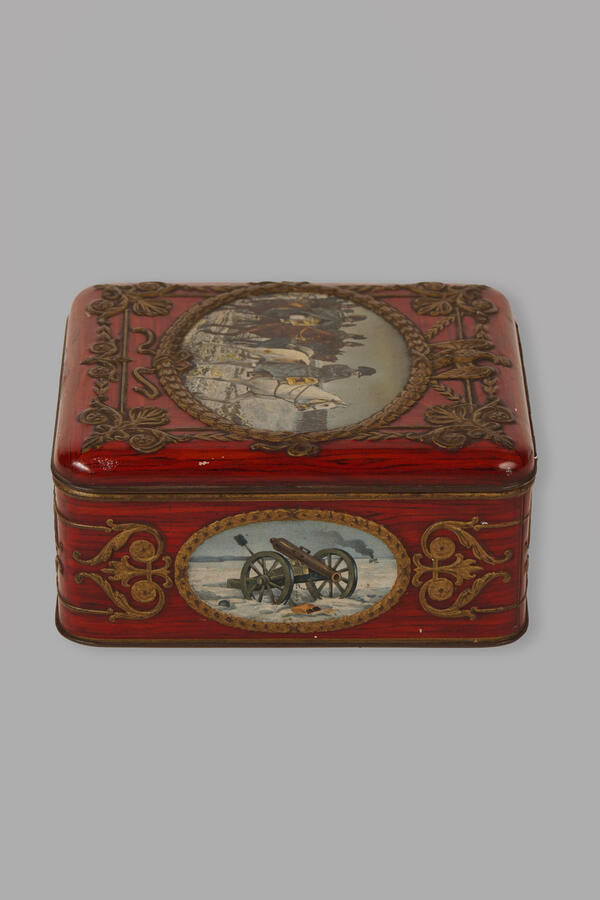
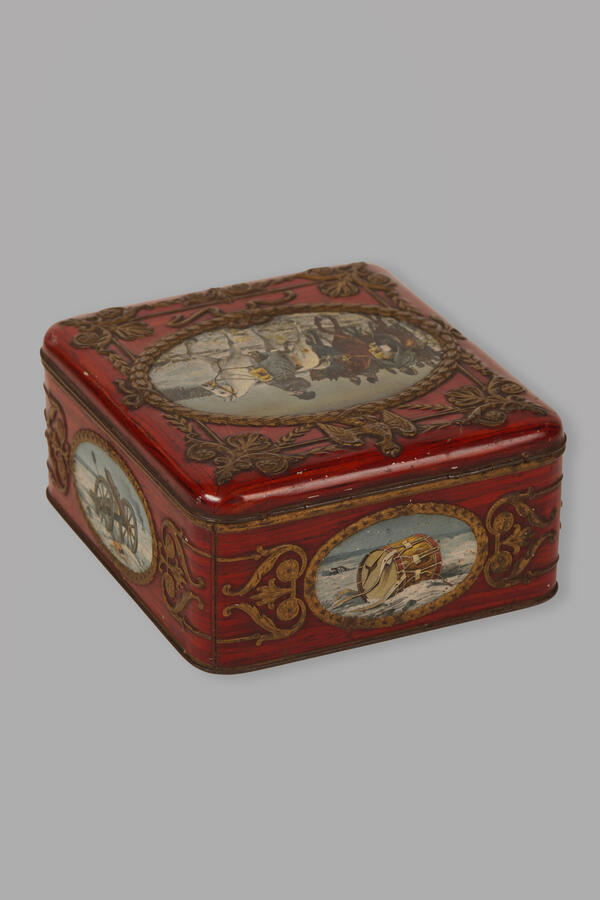
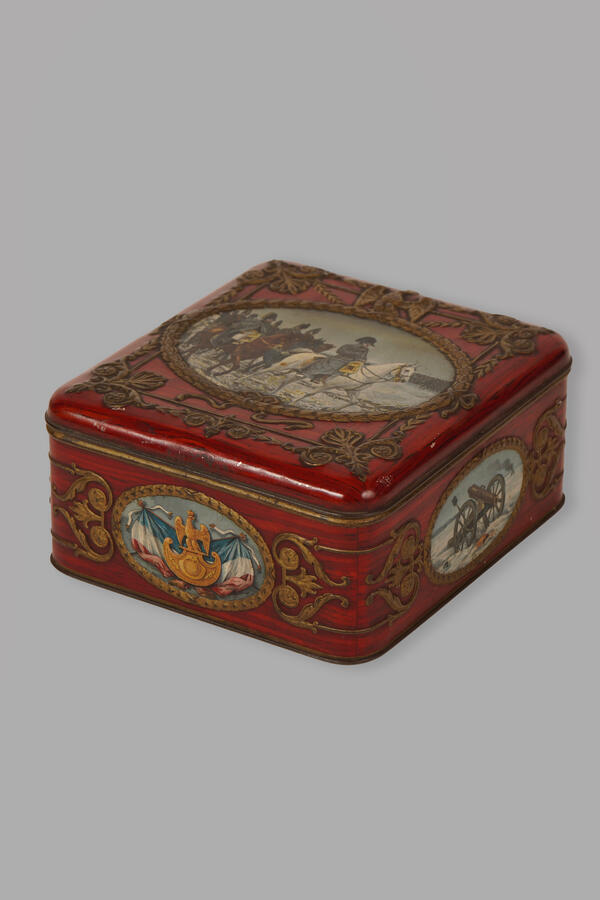
In the 19th century, branding started appearing on packaging — the brand and product name along with some advertisements. Lithography was used to duplicate color drawings on tin surfaces: a separate lithographic stone was used for each color and the resulting images turned out to be bright and informative. Confectionery producers used tin boxes (or simply tins) to demonstrate the advantages of their products, to win customers with the help of design and at the same time to keep sweets, hard candies and biscuits dry.
Manufacturers started producing a wide variety of boxes ranging from round, square and rectangular ones to boxes that were shaped like a house or a small chest. Clients would receive product samples and make their choice. Sometimes there were also individual design projects.
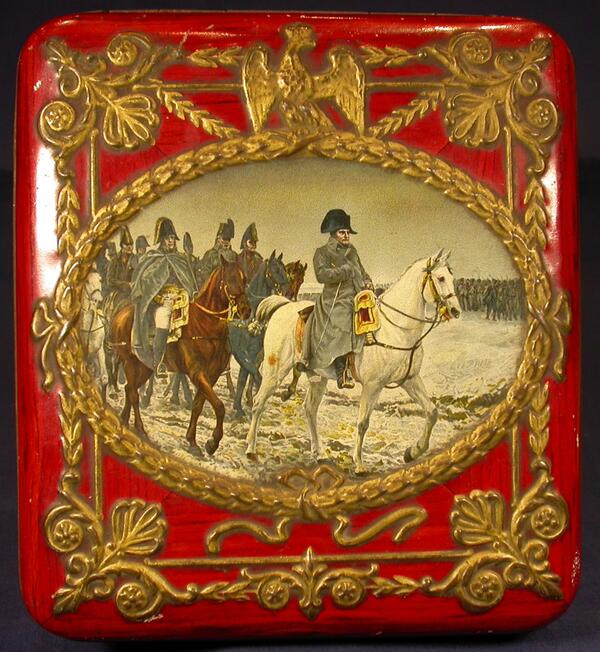
With people starting to collect chocolate boxes, producers began using trademarks to mark their goods. New confectionery series were launched to commemorate important anniversary dates and attract public attention. Packaging companies did their best to keep abreast. Chocolate shops displayed eye-catching boxes dedicated to the centennial of victory in the Patriotic War of 1812 or the tercentenary of the Romanov family, the anniversary of a famous writer or the completion of a ship building process. Companies that participated in trade exhibitions also mentioned this fact on their packaging.
Confectionery boxes and even wrappers were bound to feature the awards received for the high quality of the companies’ products. If the company received the honorary title of the Supplier of the Court of His Imperial Majesty and the right to depict the state emblem on its packaging, then all the other awards were not included.
As the number of confectionery producers was growing, it became more difficult to surprise the buyer. New products and packaging materials were introduced. At first sweets were wrapped in ordinary paper without any design and packaged in little boxes made of cardboard, porcelain, glass, and wood. On some occasions, these could even be lacquer boxes with miniature paintings. Standard mass-produced packaging included boxes or baskets with very basic design. The only choice that confection producers could make was the size of the boxes they ordered — they could go with boxes that accommodated one, one and a half or two pounds of confections. Biscuits were usually packed together or arranged carefully with paper between the layers. Chocolate sweets were placed in a single layer.
In the 19th century, branding started appearing on packaging — the brand and product name along with some advertisements. Lithography was used to duplicate color drawings on tin surfaces: a separate lithographic stone was used for each color and the resulting images turned out to be bright and informative. Confectionery producers used tin boxes (or simply tins) to demonstrate the advantages of their products, to win customers with the help of design and at the same time to keep sweets, hard candies and biscuits dry.
Manufacturers started producing a wide variety of boxes ranging from round, square and rectangular ones to boxes that were shaped like a house or a small chest. Clients would receive product samples and make their choice. Sometimes there were also individual design projects.
With people starting to collect chocolate boxes, producers began using trademarks to mark their goods. New confectionery series were launched to commemorate important anniversary dates and attract public attention. Packaging companies did their best to keep abreast. Chocolate shops displayed eye-catching boxes dedicated to the centennial of victory in the Patriotic War of 1812 or the tercentenary of the Romanov family, the anniversary of a famous writer or the completion of a ship building process. Companies that participated in trade exhibitions also mentioned this fact on their packaging.
Confectionery boxes and even wrappers were bound to feature the awards received for the high quality of the companies’ products. If the company received the honorary title of the Supplier of the Court of His Imperial Majesty and the right to depict the state emblem on its packaging, then all the other awards were not included.