

The founder of the Eliseev Brothers Trading House, Pyotr Eliseev, came from a state-owned village of the Yaroslavl district. Back in the 18th century, peasants did not have the right to trade in cities. In 1799, such a right was granted to them on the condition of paying double taxes: for the “peasant title” and for the “trade certificate”. In 1806, a permit was added to trade in imported products. In 1812, “Additional rules to allow peasants to trade in various goods with obtaining certificates for this right and with the payment of certain duties” were issued. It was then that Eliseev arrived to the capital to make fortune. The first years he was listed as a “trading peasant”, but already in 1818 he was admitted to the merchants of the 3rd guild and began to rent commercial premises in the Kotomin House on Nevsky Prospekt. In Eliseev’s shop, customers were offered foreign wines and “colonial goods”: cheeses, tea and coffee, olive oil, and spices. Here, the future creators of the “Eliseevs’ empire” Sergey, Grigory and Stepan Eliseevs learned the secrets of the profession.
In the middle of the 19th century, they began to conduct a joint business. One of their most important commercial investments was their purchase of two sailing ships and the “Alexander II” steamer for independent delivery of imported goods. Grapes for their wines were delivered from Bordeaux, Jerez, Oporto, and from the island of Madeira. In St. Petersburg, in the wine cellars on Vasilyevsky Island, the process of “educating the wine” was completed. These wines were popular in Russia, France, England and America. The Eliseevs ordered exotic fruits to be delivered from overseas: pineapples, papaya, and tangerines.
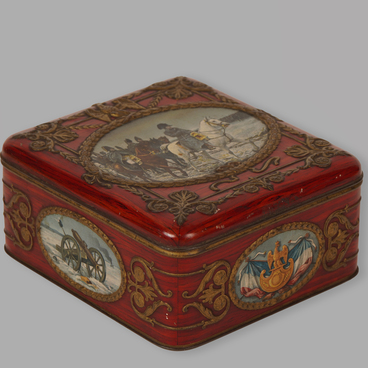
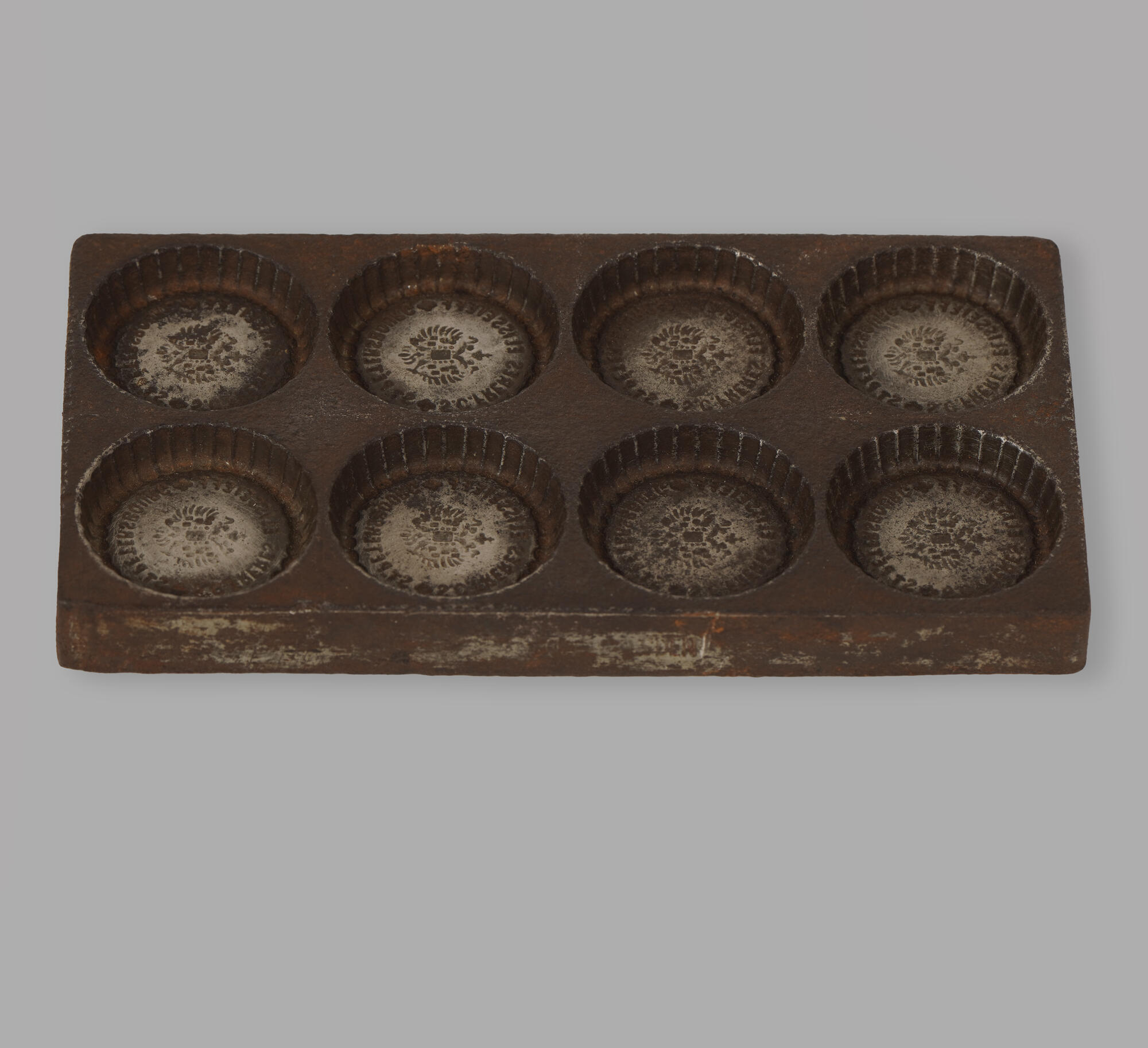
In 1857, the Eliseev Brothers Trading House was established. The head of the company was the elder brother Sergey Petrovich. Over time, the Eliseevs opened a vodka factory, factories for the production of sweets and chocolate, and traded in other products. In 1873, international exhibitions brought the company the highest awards: an honorary diploma in Vienna and the Gold medal in London. A year later, the entrepreneurs received official recognition in Russia: they obtained the official title of Supplier to the Court of His Imperial Majesty and the right to use the image of the Russian coat of arms on their products, labels, and signs.
In 1892, the management of the business passed to Grigory Eliseev’s sons — Grigory and Alexander. The trading house became known as the Eliseev Brothers Partnership. Branded elite stores opened on the streets of Moscow, Saint Petersburg, Kharkov, Kyiv, and in Europe. Despite the high prices, they were very popular and retained the popular name “Eliseevsky” even after the revolution.
In the middle of the 19th century, they began to conduct a joint business. One of their most important commercial investments was their purchase of two sailing ships and the “Alexander II” steamer for independent delivery of imported goods. Grapes for their wines were delivered from Bordeaux, Jerez, Oporto, and from the island of Madeira. In St. Petersburg, in the wine cellars on Vasilyevsky Island, the process of “educating the wine” was completed. These wines were popular in Russia, France, England and America. The Eliseevs ordered exotic fruits to be delivered from overseas: pineapples, papaya, and tangerines.
In 1857, the Eliseev Brothers Trading House was established. The head of the company was the elder brother Sergey Petrovich. Over time, the Eliseevs opened a vodka factory, factories for the production of sweets and chocolate, and traded in other products. In 1873, international exhibitions brought the company the highest awards: an honorary diploma in Vienna and the Gold medal in London. A year later, the entrepreneurs received official recognition in Russia: they obtained the official title of Supplier to the Court of His Imperial Majesty and the right to use the image of the Russian coat of arms on their products, labels, and signs.
In 1892, the management of the business passed to Grigory Eliseev’s sons — Grigory and Alexander. The trading house became known as the Eliseev Brothers Partnership. Branded elite stores opened on the streets of Moscow, Saint Petersburg, Kharkov, Kyiv, and in Europe. Despite the high prices, they were very popular and retained the popular name “Eliseevsky” even after the revolution.