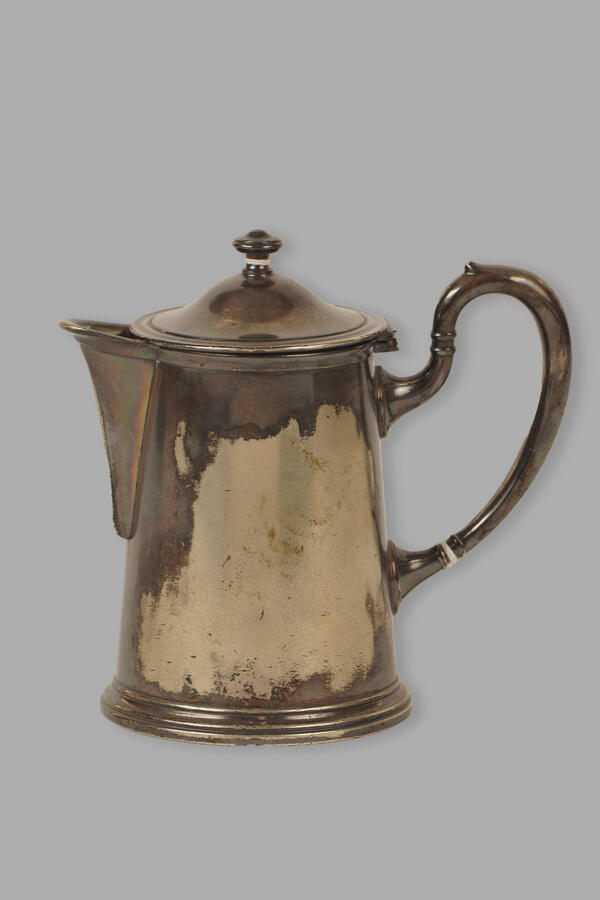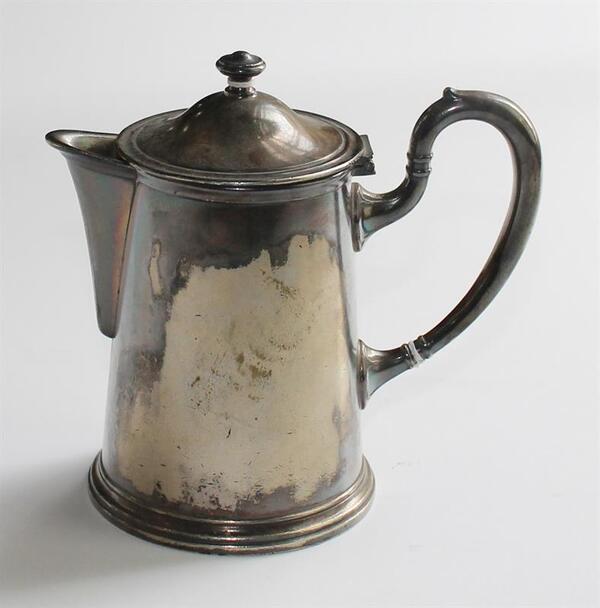
The history of coffee began in Ethiopia where the invigorating properties of coffee beans were first discovered. “Qishr” (a hot drink made from dried ripe coffee berries) and “kawah” (a beverage made from fermented coffee beans) are considered the first coffee drinks.
Later, Arabs began to prepare coffee. The prototype of the first coffee pot was an Arab narrow earthenware jug called “bunajbena”. The Arabs put green beans in the jug, poured water and put the jug in hot sand. They introduced coffee into the use of every Muslim family so that it became the main drink of the Bedouins and even part of diplomatic etiquette. That is how, through the envoy of the Turkish Sultan, coffee came to France, and from there it spread throughout Europe.
Coffee quickly conquered the world. The first public coffee house opened in the middle of the 16th century in Istanbul. Soon other cafés serving coffee were established. Essays prescribed to serve this exotic drink at every formal reception.
When coffee fashion swept Europe, France was ruled by Louis XV. It was in 1685 that coffee pots began to be used in French homes. The first metal coffee pots were used to make coffee on coals. A little later, they were replaced by more elegant ceramic coffee pots with a metal plate at the bottom: they were heated with a spirit lamp.
At the beginning of the 19th century, Archbishop Jean-Baptiste de Belloy invented a new, modernized coffee pot. A filter was filled with ground beans and loaded into a ceramic coffee pot. As boiling water seeped through the filter, the drink was collected in the pot and the used coffee grounds were retained in the filter. This type of pot became known as a “percolator”.
In Russia, the fashion for coffee was introduced by Peter I — at first the nobility was discouraged by the unusual drink that seemed to have a bitter and sour taste. But in the mid-18th-century Saint Petersburg, coffee houses were already widespread — coffee was served there with cakes, fruit, jams and lemonades.
Coffee pots first came to our country from Germany and Poland. Coffee pots were more elongated than kettles and had a curved spout so that coffee grounds would settle at the bottom and stay out of the cup.
The modern Russian word for a coffee pot — “kofeinik” — no longer refers to percolators used for brewing coffee, but rather describes a service piece for serving coffee. Usually they are made of glass or porcelain. These materials are characterized by low thermal conductivity and keep the drink hot for longer.
Later, Arabs began to prepare coffee. The prototype of the first coffee pot was an Arab narrow earthenware jug called “bunajbena”. The Arabs put green beans in the jug, poured water and put the jug in hot sand. They introduced coffee into the use of every Muslim family so that it became the main drink of the Bedouins and even part of diplomatic etiquette. That is how, through the envoy of the Turkish Sultan, coffee came to France, and from there it spread throughout Europe.
Coffee quickly conquered the world. The first public coffee house opened in the middle of the 16th century in Istanbul. Soon other cafés serving coffee were established. Essays prescribed to serve this exotic drink at every formal reception.
When coffee fashion swept Europe, France was ruled by Louis XV. It was in 1685 that coffee pots began to be used in French homes. The first metal coffee pots were used to make coffee on coals. A little later, they were replaced by more elegant ceramic coffee pots with a metal plate at the bottom: they were heated with a spirit lamp.
At the beginning of the 19th century, Archbishop Jean-Baptiste de Belloy invented a new, modernized coffee pot. A filter was filled with ground beans and loaded into a ceramic coffee pot. As boiling water seeped through the filter, the drink was collected in the pot and the used coffee grounds were retained in the filter. This type of pot became known as a “percolator”.
A few years later, a coffee bag was invented in England. It was a small fabric bag that contained coffee. The bag was used as an individual coffee serving by pouring over boiled water and brewing right in the cup.
In Russia, the fashion for coffee was introduced by Peter I — at first the nobility was discouraged by the unusual drink that seemed to have a bitter and sour taste. But in the mid-18th-century Saint Petersburg, coffee houses were already widespread — coffee was served there with cakes, fruit, jams and lemonades.
Coffee pots first came to our country from Germany and Poland. Coffee pots were more elongated than kettles and had a curved spout so that coffee grounds would settle at the bottom and stay out of the cup.
The modern Russian word for a coffee pot — “kofeinik” — no longer refers to percolators used for brewing coffee, but rather describes a service piece for serving coffee. Usually they are made of glass or porcelain. These materials are characterized by low thermal conductivity and keep the drink hot for longer.